
As a pilot, I know how much time I spend surrounded by glowing screens and bright cockpit displays. With every flight, my eyes are exposed to more blue light than ever before. It’s easy to brush off those long hours staring at instruments, but lately, I’ve started to wonder how all that blue light really affects my vision.
I’ve heard plenty of talk about digital eye strain and sleep issues linked to blue light. But for pilots like me, eye health isn’t just about comfort—it’s about safety and performance. I want to understand what’s actually at stake and what I can do to protect my eyes while keeping my focus sharp in the skies.
Understanding Blue Light Exposure
Blue light shapes my day-to-day experience as a pilot and health enthusiast. I constantly focus on how this specific spectrum impacts visual clarity, comfort, and alertness amid lengthy cockpit hours.
What Is Blue Light?
Blue light sits in the visible light spectrum, spanning 400–500 nanometers in wavelength. I classify it as high-energy visible (HEV) light, with most intensity between 415 and 455 nanometers. Natural sources include sunlight, while artificial sources use LEDs and LCDs (Harvard Health Publishing, 2020). Blue light boosts alertness and reaction time but increases digital eye strain and disrupts circadian rhythms with excess exposure.
Sources of Blue Light for Pilots
Cockpit displays and avionics generate intense blue light through backlit LCDs and LED indicators. I see glass cockpit instrumentation, primary flight displays, and electronic flight bags as constant emitters. Sunlight floods cockpits during daylight flights, and reflective surfaces within the cockpit amplify blue light exposure further. Headsets, tablets, and smartphones introduce additional HEV light, especially on long-haul flights.
These combined sources intensify cumulative blue light exposure, so I always stay alert to the risks and solutions for vision health in aviation environments.
Impact of Blue Light on Eye Health
Blue light exposure in aviation settings creates measurable effects on eye health. Cockpit environments expose pilots like me to intense levels of blue light, which presents specific challenges for both immediate comfort and long-term vision protection.
Short-Term Eye Strain and Fatigue
Short-term exposure to blue light from cockpit displays and avionics triggers digital eye strain. I often notice symptoms like blurred vision, headaches, and dryness after routine flights, especially when working with LED-backlit instruments or tablets. Digital eye strain, also called computer vision syndrome, arises from focusing on bright, high-contrast screens for extended periods. Studies show that staring at digital displays for over 2 hours at a stretch can increase eye fatigue by 58%—especially in dim cockpit conditions (American Optometric Association, 2022). Many pilots report heightened blinking and eye irritation, especially during night flights or long-haul operations where blue light exposure is prolonged.
Long-Term Risks and Potential Damage
Long-term blue light exposure may contribute to cumulative retinal damage. Research by the Harvard Medical School and other organizations links chronic blue light exposure to an increased risk of age-related macular degeneration (AMD). Blue wavelengths in the 415–455 nm range, common in cockpit LEDs and LCDs, penetrate deep into the eye and may cause oxidative stress in photoreceptor cells. Studies show that professionals with frequent blue light exposure face higher rates of retinal stress markers and disruptions in melatonin production, which affects sleep cycles (Harvard T.H. Chan School of Public Health, 2020). If these exposures persist over years, documented risks include faster macular cell aging and a higher prevalence of AMD among aviation professionals compared to the general population.
Challenges Pilots Face with Blue Light
Flying exposes me to unique risks from blue light that most people never encounter. Pilots like me, surrounded by intense cockpit displays and unpredictable schedules, experience specific challenges affecting eye health and alertness.



Cockpit Environment and Instrumentation
Modern cockpit environments use high-output LED screens, multi-function LCD panels, and illuminated instrument clusters. Each emits concentrated blue light in the 415–455 nm range, based on studies from the American Optometric Association. Flight deck reflections and glare increase the cumulative dose, especially during night operations, low-visibility approaches, and instrument scans. Devices like electronic flight bags, communication tablets, and backup displays add even more sources of blue light exposure in a confined space.
Flight Schedules and Circadian Rhythm Disruption
Irregular flight schedules often force me to work across multiple time zones, disrupting my circadian rhythm. Blue light from late-night operations and red-eye flights can suppress melatonin production, as shown in Harvard Medical School studies. This disruption impacts both sleep quality and nighttime alertness. Rapid changes in schedule combined with constant cockpit blue light contribute to fatigue and digital eye strain, far beyond what non-pilots experience.
Strategies to Protect Eye Health in Pilots
Blue light creates unique eye health challenges for pilots, with both cockpit technology and flight schedules increasing exposure. I focus on solutions that combine technology, cockpit improvements, and consistent health habits.
Protective Eyewear and Filters
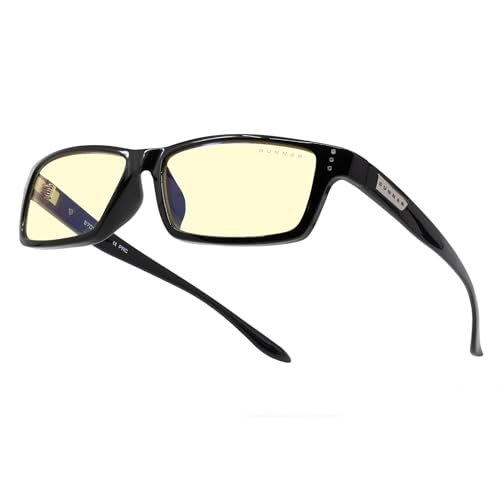
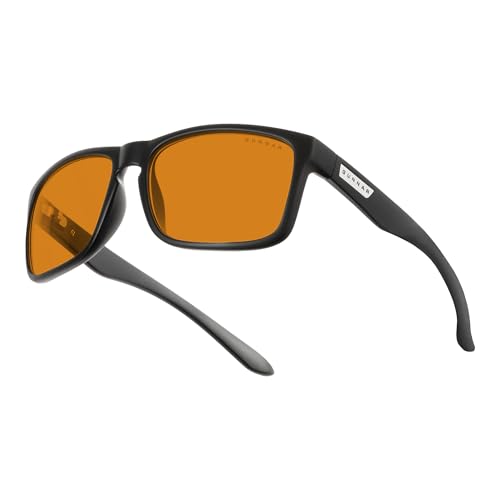
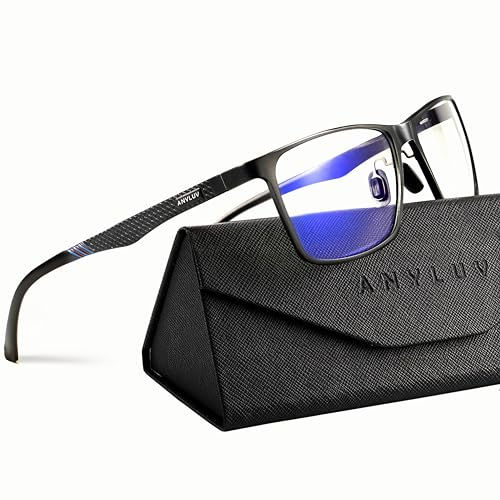
Wearing blue light blocking glasses or clip-on lenses reduces blue light exposure from cockpit displays during flights. I choose eyewear with certified optical filters targeting the 415–455 nm range, as clinical studies confirm this spectrum affects retinal cells and melatonin suppression most. Anti-reflective coatings on lenses decrease glare from reflective cockpit surfaces. Some airlines provide pilots with disposable lens covers or custom-tinted visors for additional protection, especially on long-haul or night flights.
Recommendations for Cockpit Design
Adjusting cockpit display brightness levels and enabling night modes decreases blue light emission at its source. I recommend flight deck designers calibrate LED and LCD panels with lower blue light intensity and include manual color temperature adjustments on avionics interfaces. Integrating matte finishes or anti-glare coatings on screens and surrounding surfaces further limits reflected blue light. In some airlines, maintenance teams retrofit older cockpits with updated displays meeting modern blue light emission standards, reducing exposure for pilots flying legacy aircraft.



Lifestyle and Pre-Flight Habits
Prioritizing hydration and regular blinking helps maintain tear film stability, reducing symptoms of digital eye strain from continuous blue light exposure. I limit non-essential device use before flights, avoid caffeine close to departure, and use red-based night lighting in pre-flight briefings to minimize melatonin suppression. Adopting a consistent sleep schedule supports circadian rhythm regulation, even with shifting flight assignments. Applying the 20-20-20 rule (every 20 minutes, look 20 feet away for 20 seconds) during longer flights eases near-point stress linked to cockpit screens.
These strategies support healthy eyes and optimal alertness in aviation environments where blue light risk is high.
Conclusion
As a pilot who’s spent countless hours surrounded by glowing displays I know how easy it is to overlook the impact of blue light on eye health. Protecting my vision isn’t just about comfort—it’s about staying sharp and safe in the cockpit.
By making a few mindful adjustments and staying aware of the risks I can keep my eyes healthy for the long haul. It’s worth the effort to ensure every flight is as safe and comfortable as possible.
