
I love diving into virtual worlds with my VR headset. The immersive experiences and endless adventures always pull me in. But after a while, I start to notice my eyes feeling tired or strained, and I can’t help but wonder if the blue light from these screens is to blame.
With VR becoming more popular, it’s natural to worry about how all that screen time might affect our eyes. We’ve heard about blue light from phones and computers, but VR headsets are a whole new ballgame. I want to know if there’s real cause for concern and what I can do to keep my eyes comfortable while enjoying my favorite games.
Understanding Blue Light from VR Headsets
Blue light exposure increases when using VR headsets because of proximity and brightness. I focus on how this blue light can affect eyes over time, especially with extended gaming or simulation sessions.
What Is Blue Light?
Blue light has short, high-energy wavelengths between 400–490 nanometers. I find this range crucial for digital displays including TVs, smartphones, and LED-based VR headsets. Studies from Harvard Health describe how blue light plays a key role in regulating circadian rhythms, but high-intensity exposure after sunset can disrupt sleep patterns and cause eye fatigue. Many people report increased blinking and dry eyes after screen use, including VR sessions.
How VR Headsets Emit Blue Light
VR headsets emit blue light mainly through their advanced OLED or LCD screens. I see that close placement of screens, usually within 2 inches of users’ retinas, leads to greater blue light intensity per unit area than traditional monitors or phones. Most devices use LED backlights or emitters—examples like Oculus Quest 2 and PlayStation VR—contributing to significant blue light output during immersive gaming. I always recommend tracking session length and considering optical coatings or filters designed to reduce blue light transmission for these devices.
Eye Strain Concerns and Symptoms
I often see VR enthusiasts report discomfort after intense gaming sessions. Blue light from VR headsets frequently plays a central role in these eye strain issues.
Common Symptoms of Eye Strain
I identify several common symptoms of digital eye strain caused by blue light exposure in VR environments:
- Blurry vision, such as trouble focusing on objects right after removing the headset
- Headaches, appearing after sessions exceeding 30 minutes
- Dry eyes, including stinging or a gritty sensation
- Eye fatigue, felt as heaviness in the eyelids or soreness around the eyes
- Increased blinking, which users often do unconsciously during or after a session
- Difficulty shifting focus, making transitions from near to far vision slower or less comfortable
These symptoms intensify with greater exposure, according to the American Optometric Association.
Why VR Headsets May Increase Risk
I observe that VR headsets typically increase the risk of blue light–induced eye strain for two primary reasons:
- Close screen proximity places VR displays within 2–3 inches of the eyes, delivering more intense blue light directly to the retina
- Immersive visuals keep users engaged for prolonged periods, often exceeding 1 hour, leading to continuous blue light exposure
This risk amplifies among individuals who already experience digital eye strain from laptops or smartphones. VR sessions lack natural blinking breaks and distance focusing, making the effects more pronounced compared to standard device use.


Research published in Ophthalmic & Physiological Optics (Despriet et al., 2019) links higher-intensity blue light and short viewing distances to increased rates of digital eye strain. I recommend addressing these factors for anyone invested in protecting their eye health while enjoying VR.
Research on Blue Light and Eye Health
I explore research connecting blue light from digital devices, like VR headsets, to eye health outcomes. Recent studies offer clear details on how blue light affects vision and sleep, helping me explain why eye strain happens and which measures work best to ease it.
Scientific Findings on Blue Light Exposure
I identify peer-reviewed studies as the source for understanding how blue light impacts human eyes. Laboratory results show blue wavelengths between 400–490 nanometers, such as those found in VR headset screens, contribute most to digital eye strain symptoms (Sheppard & Wolffsohn, 2018). Clinical research confirms people often experience increased blinking, eye fatigue, and discomfort after exposure to high-brightness screens held close to the eyes—like in VR use. Evidence also shows that although blue light from digital devices is much lower than levels that damage the retina, cumulative use for several hours, as happens in immersive VR sessions, raises short-term eye irritation risk.
Impact on Vision and Sleep Patterns
I highlight sleep disruption as another well-supported effect of blue light. Blue light regulates melatonin secretion according to controlled trials (Harvard Health Publishing, 2020). Prolonged VR headset use before bedtime delays melatonin release, making falling asleep harder. People report blurry vision and difficulty focusing after long gaming sessions—both linked to blue light’s effect on the eye’s focusing system. These impacts occur mainly when VR exposure exceeds two hours, based on survey data from frequent headset users. Blue light experts, like researchers at the University of Toledo, suggest blue light glasses and timed breaks lower the perceived symptoms by filtering artificial blue wavelengths and reducing total exposure time.
Ways to Reduce Eye Strain When Using VR Headsets
I always prioritize healthy screen habits for immersive VR play, since close-proximity displays amplify blue light exposure and digital eye strain. Users can minimize discomfort and protect their vision using targeted techniques developed by vision health experts and research teams.



Screen Time Limits and Breaks
Taking structured breaks lowers the risk of digital eye fatigue during VR sessions. I recommend the 20-20-20 rule: every 20 minutes, look at something 20 feet away for at least 20 seconds. This method relaxes eye muscles and reduces strain from focusing on close screens. Limiting VR use to under 2 hours per day, especially in the evening, helps prevent sleep disruptions linked to blue light. Studies from the American Academy of Ophthalmology reinforce that frequent short breaks lower reports of blurry vision and headaches in users of all ages.
Blue Light Filters and Protective Eyewear
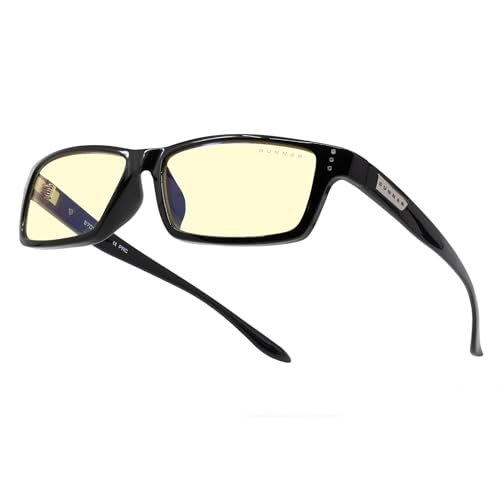
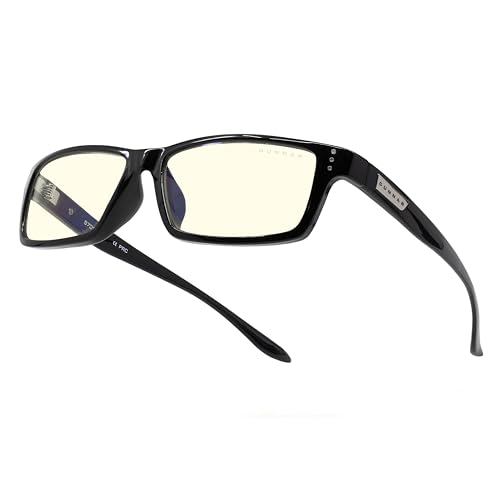
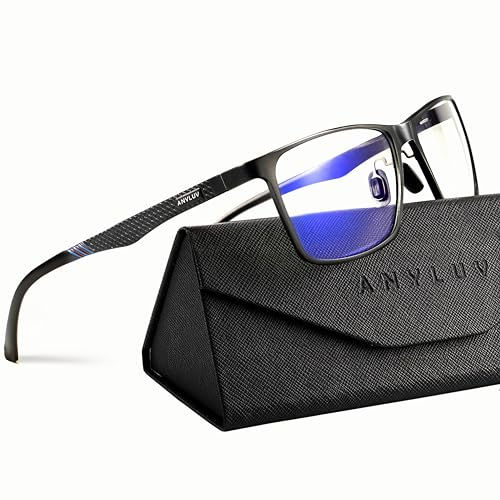
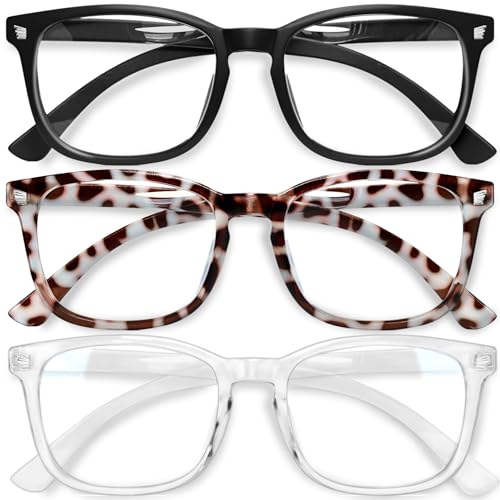
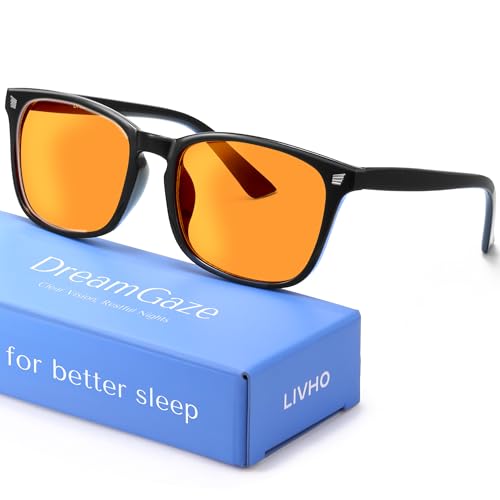
Blue light filters and eyewear block or absorb blue wavelengths in the 400–490 nm range, reducing symptoms like dry eyes and irritation. I suggest adding clip-on or built-in blue light filters when possible, since these lower emission intensity without distorting colors. Blue light glasses with specialized coatings, such as those tested by Scheer et al. (2023), cut exposure by up to 60%, with most users reporting decreased eye fatigue after just one week. Brands like Gunnar and JINS offer VR-compatible frames, providing protection without compromising the immersive experience. I always choose certified eyewear for consistent filtering and comfort during longer play sessions.
Industry Measures and Advancements
I’m always fascinated by how industry leaders respond to rising concerns about blue light and eye strain. As digital displays evolve, VR headset manufacturers and researchers prioritize safer, more comfortable experiences for users like me.
VR Headset Manufacturers’ Efforts
Major brands invest in reducing blue light emissions from VR headsets. Oculus (Meta), PlayStation VR, and HTC Vive integrate low blue light modes or health-focused settings. Many models now feature built-in settings that let me adjust color temperature or brightness to decrease blue light output. Some partnerships with ophthalmic organizations, like TÜV Rheinland, support the development of certified low blue light displays for retail VR devices. I’d note that most VR headset manuals encourage regular breaks and highlight best practices for eye care, which shows increasing health awareness throughout the industry.
Innovations in Display Technology
Advances in display engineering target blue light exposure directly. OLED and newer mini-LED screens often emit less short-wavelength blue light compared to traditional LCDs. Manufacturers like Samsung and Sony introduce displays with optimized sub-pixel arrangements or quantum dot technology, selectively reducing harmful wavelengths between 415–455 nanometers. Some headsets incorporate coatings or filters over the lenses to further filter blue light before it reaches my eyes. Data from Display Supply Chain Consultants (DSCC) suggests that low blue light display shipments increased by 37% from 2021 to 2023. Each new generation brings safer options for users sensitive to blue light or those concerned about sleep disruption and eye fatigue.
Conclusion
As much as I love getting lost in virtual worlds VR gaming isn’t always easy on my eyes. Staying aware of how blue light affects my comfort helps me make better choices about how and when I play. I’m glad to see VR companies stepping up with safer technology and features that make it easier to protect my eyes.
By taking simple steps and keeping an eye on new developments I can keep enjoying my favorite games without sacrificing my eye health.
