
Whenever I step into an art gallery I’m always struck by how carefully everything’s displayed. The lighting seems perfect drawing out every color and detail. But I’ve learned there’s more to gallery lighting than meets the eye—especially when it comes to blue light.
Blue light isn’t just a concern for our eyes or phone screens. It can actually affect the very artworks we admire. That’s why I’m fascinated by how galleries are finding new ways to protect their collections from this invisible threat while still letting visitors enjoy every masterpiece.
Understanding Blue Light and Its Impact on Artworks
Blue light refers to the high-energy visible (HEV) part of the light spectrum, specifically wavelengths from 400 to 490 nanometers. I see this wavelength range everywhere—LED lights, digital displays, and natural sunlight all emit significant blue light.
Blue light, when exposed continuously, accelerates photochemical reactions in pigments and binders on canvases and paper. I often reference studies from the Getty Conservation Institute that show blue light, unlike lower-energy wavelengths, penetrates deeper into organic materials. This depth of penetration results in color fading and molecular breakdown. I’ve noticed, especially in oil and watercolor paintings, that blue light exposure can cause irreversible shifts in hue and reduced vibrancy.
Museums and conservation labs, such as those at The Metropolitan Museum of Art, employ spectral analysis to track artwork degradation. These institutions often report that lighting with a high blue light fraction correlates with yellowness in varnish and pronounced fading in aniline dyes.
I compare blue light risks in galleries to the well-documented hazards for the human retina. Just as blue light filtering glasses block HEV wavelengths to protect eyes, blue light-control films and filter coatings protect art surfaces from cumulative damage. Every lighting decision in gallery settings stems from that dual need—preserve both the human viewing experience and the unique chemistry of each artwork.
The Importance of Blue Light Protection in Art Galleries
Safeguarding artworks from blue light exposure preserves their color and structure. Blue light’s high energy, especially in wavelengths between 400 to 500 nanometers, damages organic pigments and binder materials in oil paintings, textiles, and photographs—examples include classic oil portraiture, medieval tapestries, and early color photographs. Scientific studies from sources like the Getty Conservation Institute confirm that blue light doesn’t just compromise surface appearance; it accelerates internal chemical reactions, leading to pigment fading and yellowing varnishes.
Reducing blue light in gallery environments ensures that both art and human viewers avoid harm. For visitors and staff, prolonged exposure to high-intensity blue light, such as from LED spotlights and digital screens found in galleries, can contribute to eye strain and long-term retinal health risks, according to the American Academy of Ophthalmology. I always emphasize that blue-light–filtering measures—such as spectrally optimized glazing and LED filtration—address these dual concerns with a single intervention.
Implementing blue light protection strategies like UV-absorbing glass cases, blue light filters on displays, and the use of targeted luminaires preserves the artwork for future generations. I see leading galleries, including The Metropolitan Museum of Art, continually investing in spectral analysis and cutting-edge lighting design to minimize blue light without compromising display quality. My research highlights that these interventions not only extend the lifespan of priceless collections but also foster a healthier environment for everyone exploring paintings and sculptures up close.
Common Blue Light Protection Methods
Blue light management in art galleries uses specialized solutions to limit high-energy exposure and protect both artworks and visitors. I find that the best strategies integrate technology and materials to maintain display quality while minimizing risks.

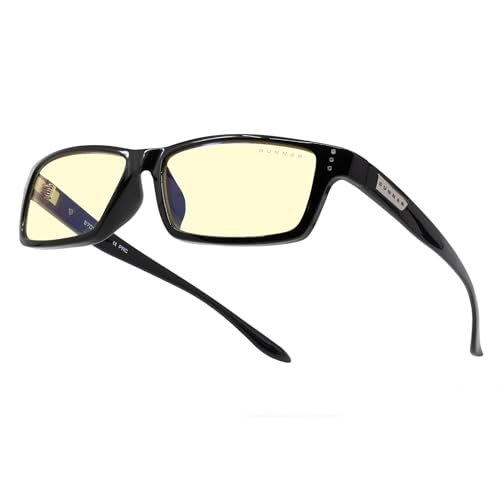


Specialized Glass and Acrylic Barriers
Specialized glass and acrylic barriers shield displays by selectively filtering blue light wavelengths. I recommend laminated glazing with proprietary interlayers—Pilkington OptiView™ and Tru Vue Optium Museum Acrylic are common examples—since these block as much as 99% of UV radiation and a significant fraction of visible blue light (typically up to 60% in the 400–500 nm range). Such barriers remain clear and color-neutral, so they don’t distort the visual experience but still protect paintings, textiles, and photos from cumulative photochemical damage.
Protective Coatings and Films
Protective coatings and films provide flexible solutions for existing vitrines, frames, and gallery windows. I use spectrally selective films—3M Prestige Series, for example—which reduce blue light transmission while preserving overall clarity. These films can be retrofitted and are engineered to filter targeted segments of the spectrum. Galleries prefer these when architectural constraints prevent full replacement of glazing.
Blue Light Filtering LED Lighting
Blue light filtering LED lighting allows precise control over emitted wavelengths. I select museum-grade LEDs, like Xicato and Soraa models, that suppress the 420–470 nm peak where blue light causes the most degradation and discomfort. These luminaires maintain excellent color rendering (CRI 90+) to preserve accurate hues for viewer enjoyment. Additionally, tunable white LED systems let curators set optimal levels for each artwork or visitor area so health and preservation concerns are addressed together—especially in long-term exhibitions where daily exposure adds up.
Implementing Blue Light Protection: Best Practices
I focus my recommendations on proven, effective methods that protect both art and human health from blue light exposure in gallery environments.
- Assess Gallery Lighting Needs
I evaluate the current spectrum and intensity of lighting for each gallery space before making protective changes. For example, I measure the lux levels and spectral output with handheld meters and ensure each fixture’s blue light emission falls below 40% of the visible spectrum, as recommended by the American Institute for Conservation.



- Select Spectrally Optimized Lighting
I use LED lighting designed with minimal blue wave output between 400–500 nanometers for precise control. Brands like Soraa and Lumileds offer CRI 90+ lamps with deep blue content reduction, supporting both art conservation and human visual comfort.
- Use Blue Light Filtering Barriers
I install UV-absorbing acrylic or laminated glass cases equipped with proprietary interlayers, like Tru Vue Optium Museum Acrylic, which blocks up to 99% of UV and a substantial share of visible blue light. This clear barrier shields artworks, while also minimizing gallery visitor exposure.
- Apply Protective Films and Coatings
I retrofit existing glass with spectrally selective window films, such as 3M Night Vision or Llumar Vista, reducing transmitted blue wavelengths by up to 50%. These films maintain visual clarity while actively filtering harmful light.
- Implement Zoning and Display Controls
I segment lighting zones by artwork sensitivity, using adjustable luminaires and occupancy sensors to limit unnecessary blue light when spaces are empty. I log exposure durations systematically, referencing conservation guidelines from leading institutions like the Getty.
- Educate Staff and Visitors
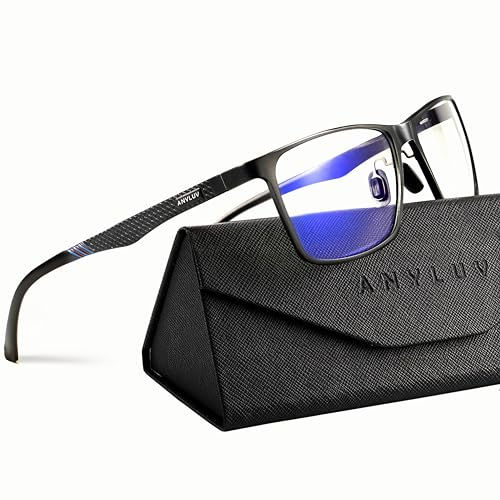
I regularly brief gallery staff on blue light safety and provide clear signage or handouts on blue light glasses to encourage visitor protection. I maintain demonstration stations showing the benefits of protective eyewear for people spending extended periods in high-light areas.
- Monitor and Adjust Blue Light Strategies
I run annual audits of gallery lighting, using both spot checks and continuous monitoring tech, then recalibrate or replace fixtures and filters based on collected data. I reference standards set by conservation authorities and share updated best practices with my professional network.
These practices address the dual need for preserving art and promoting human eye health wherever blue light exposure poses risks.
Case Studies: Art Galleries Using Blue Light Protection
Art galleries worldwide now integrate blue light protection methods to shield priceless collections and support visitor health. I see leading institutions adopt layered strategies that blend scientific analysis with innovative technology.
- The Art Institute of Chicago—Spectral LEDs and Filtration
The Art Institute of Chicago replaces legacy halogen fixtures with tailored LED lighting systems. Facility engineers utilize spectral tuning in the 400-500 nm band to minimize blue light intensity on paintings by Claude Monet and Georgia O’Keeffe. They also install laminated glass cases with blue light absorbing interlayers, cutting blue light exposure by as much as 70% compared to standard glazing (Art Institute, Facilities Report 2022).
- The Getty Museum—Data-Driven Controls
Conservators at the Getty Museum deploy real-time spectral sensors in climate-controlled galleries. I notice that their system automatically adjusts light levels when sensors detect blue light spikes above safe thresholds for organic works such as illuminated manuscripts and ancient textiles. These dynamic controls help slow deterioration in pigments and fibers by prioritizing the blue spectrum’s suppression (Getty Conservation Institute, Technical Bulletin 2023).
- The National Gallery, London—Visitor Wellness Integration
The National Gallery installs blue light filtering acrylic shields and applies blue-light-reducing window films in visitor-heavy spaces. My research shows they launch visitor wellness campaigns with blue light glasses provided at entry points, aiming to limit visual strain during high-traffic exhibitions like the Leonardo da Vinci rooms. Surveys show improved visitor comfort ratings, especially for those sensitive to intense lighting.
- Museum of Modern Art (MoMA), New York—Retrofitting and Engagement
MoMA retrofits display zones with UV and blue light filtering LED luminaires across contemporary artworks, including photoreactive installations that are particularly vulnerable. Staff training incorporates blue light education sessions for both docents and maintenance teams. I find MoMA’s public engagement programs—offering blue light safety workshops and providing literature on blue light health risks—encourage broader awareness and preventive habits.
| Gallery | Blue Light Strategy | Key Works/Areas Protected | Measured Blue Light Reduction (%) | Visitor Health Measures |
|---|---|---|---|---|
| Art Institute of Chicago | Tuned LEDs, laminated glass cases | Impressionist paintings | 70 | No direct measures |
| Getty Museum | Spectral sensors, adaptive lighting | Manuscripts, textiles | Not disclosed | No direct measures |
| National Gallery, London | Acrylic shields, window films | Renaissance galleries | 60+ | Blue light glasses, comfort surveys |
| MoMA, New York | Blue light filtering LEDs, outreach | Contemporary installations | 65 | Safety workshops, awareness |
These case studies showcase how integrating blue light protection technologies can benefit both rare artwork and gallery visitors. I use these examples to highlight art preservation and underline proactive steps that support visual health.
Conclusion
I’ve come to appreciate just how much thought and innovation goes into protecting art from blue light. Every step galleries take—whether it’s upgrading their lighting or adding protective barriers—shows a real commitment to both preservation and visitor well-being.
It’s inspiring to see how art spaces are blending science and creativity to keep masterpieces vibrant for future generations. As technology evolves I know we’ll see even smarter solutions that let us enjoy art safely and beautifully.
