
When I walk into a religious center I expect a peaceful space where I can reflect and connect. But with more screens and digital devices popping up everywhere it’s hard to ignore how much blue light we’re all exposed to—even in places meant for quiet and focus.
I’ve noticed that blue light isn’t just something we deal with at work or home. It follows us into spaces where we’re supposed to unwind and find comfort. That’s why I think it’s time we talk about blue light protection in our religious centers and what simple changes can make these spaces healthier for everyone.
Understanding Blue Light and Its Effects
Blue light surrounds us in religious centers because digital screens and artificial lighting emit it at high levels. I explore what blue light is and how it affects our health, especially when people seek tranquility.
What Is Blue Light?
Blue light sits within the visible light spectrum between 400 and 490 nanometers. I see this wavelength in most LED lights, smartphones, tablets, and even some sunlight. Screens in religious centers, like digital announcement boards or tablets, give off blue light that the human eye detects easily. Unlike warm-toned lighting, blue light has a shorter wavelength and higher energy, making it biologically stimulating.
Health Impacts of Blue Light Exposure
Blue light affects circadian rhythms, eye comfort, and overall health. Extended exposure—using digital screens for announcements, streaming, or lighting in religious centers—disrupts sleep cycles by suppressing melatonin production (Harvard Health Publishing, 2012). I notice people often experience eye strain, dryness, and headaches after viewing blue light sources for long periods. For example, congregants reading digital scriptures or volunteers managing AV systems might feel discomfort within hours. American Academy of Ophthalmology reports that excessive blue light exposure increases digital eye strain symptoms, especially in environments not optimized for rest.
Unique Challenges for Religious Centers
Religious centers face challenges that make blue light protection especially important. I see several factors that set these spaces apart when addressing blue light exposure.
Common Sources of Blue Light in Religious Settings
Screens, lighting, and devices in religious settings emit blue light. Projectors for presentations, LED screens broadcasting text or imagery, and personal mobile devices—like smartphones or tablets—introduce significant exposure. Artificial lighting, such as overhead LEDs or fluorescent bulbs in sanctuaries and gathering halls, adds more blue light throughout the day. Digital clocks or display panels used in prayer rooms further contribute, especially during extended programs.
Sensitive Groups and Environments
Certain individuals and environments in religious centers are more vulnerable to blue light effects. Children attending youth classes or group activities are especially sensitive, as developing eyes absorb light differently. Elderly people in congregations experience more discomfort from blue light due to aging visual systems and existing eye conditions. Quiet areas, including meditation rooms or chapels, become less effective havens for rest if saturated with digital screens and artificial, high-blue content lighting. I notice that even short-term exposure in these sensitive groups can lead to increased strain, making blue light protection in these communities a priority.
Approaches to Blue Light Protection in Religious Centers
I see religious centers adapting several strategies to limit blue light exposure and create healthier sanctuaries. Solutions combine smart design, modern technologies, and community guidelines.
Architectural and Lighting Solutions
I recommend architectural lighting strategies that reduce blue light at its source. Installing warm-color LED bulbs in sanctuaries replaces typical cool-toned lights, which emit higher blue light levels. Adding diffused fixtures ensures indirect lighting, decreasing direct glare from screens or spotlights. Skylights with blue-light filtering glass or blinds help harness natural light, letting congregants enjoy sunlight without unnecessary blue rays. In new builds and renovations, I advise integrating circadian-friendly lighting systems that adjust color temperature throughout the day, supporting natural sleep cycles for everyone.


Use of Protective Technology and Filters
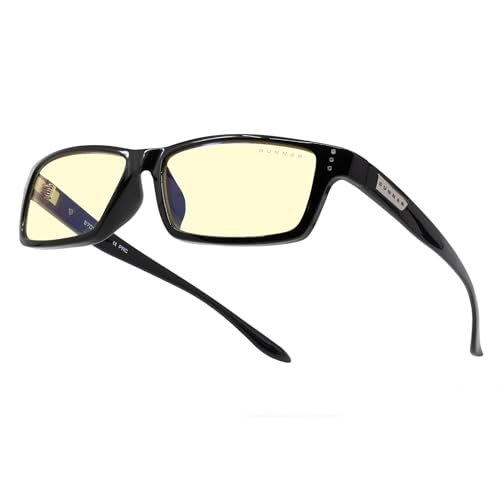
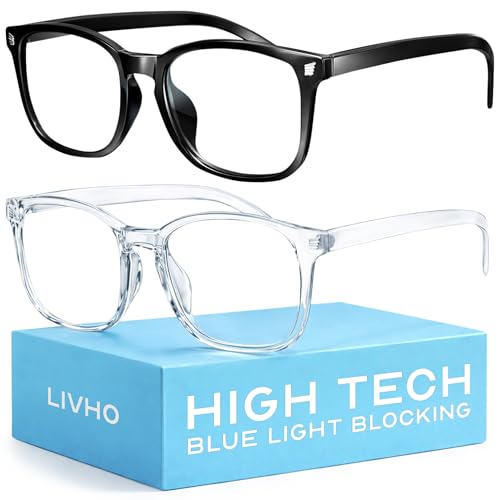
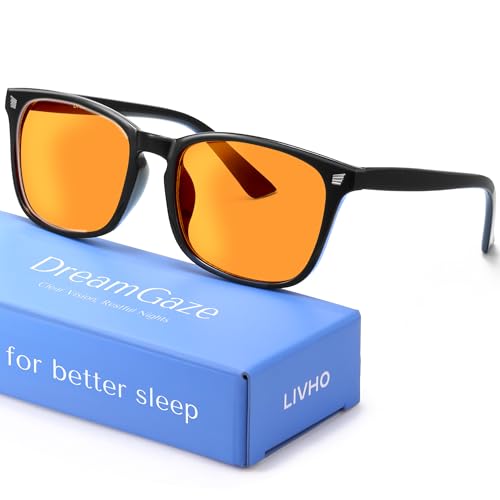
I regularly use protective technologies to block blue light from screens in religious centers. Blue light filters on projectors, TVs, and tablets decrease emission during services and presentations. Blue light screen protectors for computer monitors in administrative offices protect staff who work long hours indoors. For congregants who use personal devices, I suggest distributing informational pamphlets about blue light filter apps and settings available on most modern smartphones, with detailed instructions for older community members. In areas with digital displays, I also encourage providing communal blue light blocking glasses, which help people sensitive to short-wavelength lighting.
Behavioral Adjustments and Guidelines
I always encourage communities to adopt behavioral guidelines supporting low blue light exposure indoors. Creating “device-free” zones—especially in meditation rooms or reflection areas—limits incidental exposure. Scheduling digital-free hours during certain services or prayer times fosters focused participation and reduces strain, especially for elders and children. Leaders can give reminders for attendees to enable night mode on their devices before entering, reinforcing collective responsibility for a healthier worship environment. Holding educational workshops on blue light health effects and practical protection habits fosters long-term awareness, turning each religious center into a blue light savvy community.
Benefits of Implementing Blue Light Protection
Adopting blue light protection in religious centers increases comfort and supports health. I see clear advantages for both spiritual practices and community well-being when these protections exist.
Enhancing Spiritual Experiences
Blue light protection in worship environments deepens spiritual focus and provides tranquility. I notice that lowering blue light intensity in sanctuaries, meditation rooms, and chapels reduces digital eye fatigue and tension, which helps congregants engage more meaningfully. Fewer distractions from harsh lighting or digital glare support prayer and meditation by allowing natural circadian rhythms to guide the mind into a calm state. In my experience, when religious spaces use warm, low-blue lighting and promote screen-free practices, congregants report greater concentration and spiritual satisfaction.
Supporting Community Health and Well-Being
Community well-being improves with reduced blue light exposure. I recommend blue light protective measures—like glasses and filtered screen shields—because they minimize eye strain and circadian rhythm disruptions, helping prevent headaches and sleep disturbances. Particularly among children, older adults, and those with visual sensitivities, these changes can decrease reported symptoms such as dryness or discomfort. When religious centers prioritize protective measures, I see attendance and participation rise, as congregants feel physically comfortable and supported, making the environment more welcoming for all.




Conclusion
I’ve come to appreciate just how important it is to consider blue light protection in our religious centers. When we pay attention to the details that shape our shared spaces we make them more inviting for everyone. Creating healthier environments for reflection and connection is a simple yet meaningful step that can make a big difference for our communities.
