
I spend most of my workdays in front of a screen and I know I’m not alone. In today’s corporate world it feels like blue light from computers and devices is everywhere. While technology keeps me connected and productive it also brings new challenges for my eyes and overall well-being.
I’ve noticed that long hours under harsh office lighting can leave my eyes feeling tired and my focus slipping by the afternoon. That’s why I started looking into ways to protect myself from blue light. It turns out that small changes in the workplace can make a big difference for comfort and health.
Understanding Blue Light Exposure in Corporate Offices
Blue light exposure in corporate offices stems mainly from digital screens and overhead LED lighting. Monitors, laptops, and smartphones emit high levels of blue light, which is part of the visible light spectrum with wavelengths from 400 to 490 nanometers. Most office workers, including myself, spend 7 to 10 hours daily in front of electronic displays, and these devices become the dominant source of artificial blue light indoors.
Artificial lighting in workspaces, especially cool white fluorescents and LEDs, adds to overall blue light exposure. Modern corporate offices often use overhead LEDs, which emit blue-rich light. Settings with large open-plan layouts and high device density further increase cumulative exposure.
Researchers from the American Optometric Association and Harvard University have documented links between high blue light exposure and symptoms such as digital eye strain, dry eyes, blurred vision, and disrupted sleep cycles. The risk intensifies in environments with few windows or inadequate ambient lighting. Even brief interruptions, like looking at a phone during breaks, contribute to total daily exposure.
Minimizing blue light impact in corporate offices means recognizing both direct screen glare and indirect ambient sources. My experience shows that personal habits, device settings, and lighting design all affect health outcomes related to blue light. Adopting tools like screen filters, task lighting, and blue light glasses can help block a significant portion of high-energy visible (HEV) light.
The Impact of Blue Light on Employee Health and Productivity
Blue light shapes the daily experience of office workers more than most realize. I see significant changes in health and focus when offices address even moderate blue light exposure.
Eye Strain and Fatigue
Eye strain and fatigue sharply increase in blue light-dense office spaces. Continuous blue light from monitors and LED overhead lights triggers symptoms like tired eyes, headaches, and frequent blinking. Studies from the American Optometric Association find that over 58% of office employees experience digital eye strain, with symptoms ranging from blurred vision to difficulty maintaining focus. Extended exposure—typically above 6 hours daily—compounds discomfort and slows work. I recommend blue light glasses and screen filters as proactive tools—these have helped me and others reduce eye strain substantially in shared workspaces.
Sleep Disruption and Mental Well-Being
Sleep cycles and mental clarity rely directly on controlling blue light levels after 3 PM. Harvard University researchers show that office workers exposed to high-intensity blue light in late afternoons suffer melatonin suppression, which delays sleep onset by up to 1.5 hours. Chronic sleep loss then leads to reduced concentration, increased stress, and sharp drops in productivity. I’ve noticed that filtering office lighting and building screen breaks into daily routines can immediately boost alertness and mood. For many, blue light management becomes a foundation for sustainable mental well-being in corporate environments.
Methods of Blue Light Protection in Corporate Offices
Blue light management transforms daily comfort and long-term health in the workplace. In my experience, simple tools and practical adjustments reduce exposure and boost productivity.


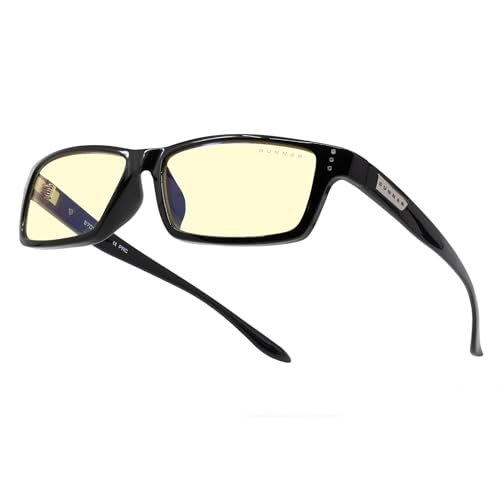
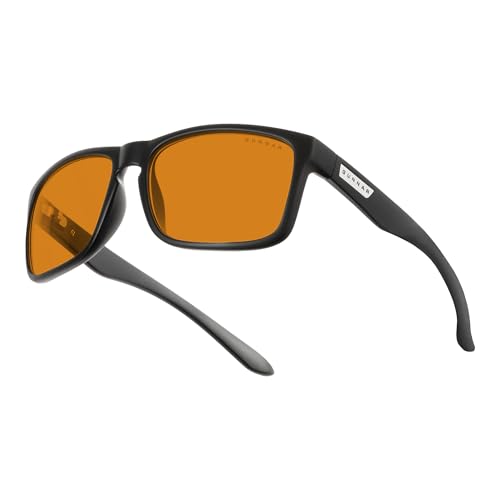


Screen Filters and Protective Eyewear
Screen filters and protective eyewear deliver targeted blue light blocking for office environments. I use physical screen filters on monitors, which absorb 35% to 60% of blue light wavelengths from devices like laptops and desktops. Brands such as 3M and Ocushield offer filter sheets sized for common office displays, which significantly limit retinal strain during extended work sessions.
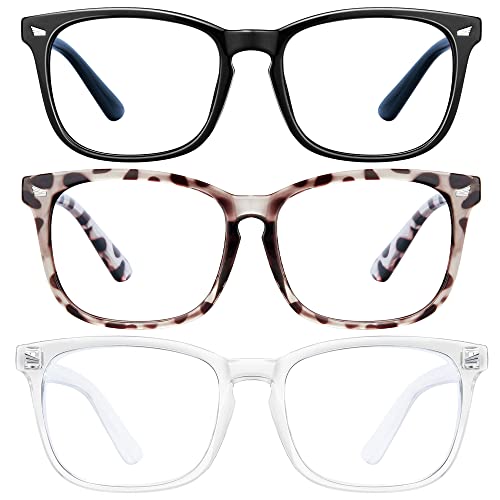
I also recommend blue light blocking glasses, which incorporate lens coatings designed to deflect high-energy blue spectra. My preferred lenses filter 30% to 50% of blue wavelengths between 400 and 490 nanometers, reducing headaches and dry eyes. Popular models from Felix Gray and Gunnar provide all-day clarity and can be worn comfortably with or without prescription lenses.
Workspace Lighting Solutions
Workspace lighting solutions create a balanced environment that counters excessive blue light from digital and overhead sources. I advocate for LED desk lamps that offer adjustable color temperatures, enabling me to shift to warmer hues (below 4000K) in the afternoon to mimic natural circadian rhythms.
Using indirect and diffused lighting around my workstation minimizes harsh glare from ceiling LEDs, which often emit substantial blue light. Installing lampshades or diffusers, for example, further softens ambient light output, lowering fatigue risk. Adding window shades to filter midday sunlight can also supplement artificial adjustments, a strategy that works especially well in open-plan offices with large glass surfaces.
Digital Device Settings and Software Tools
Digital device settings and software tools allow for dynamic blue light management throughout the workday. I configure my monitors and laptops with built-in night mode or reading mode settings, decreasing blue light emission by up to 70% in the late afternoon.


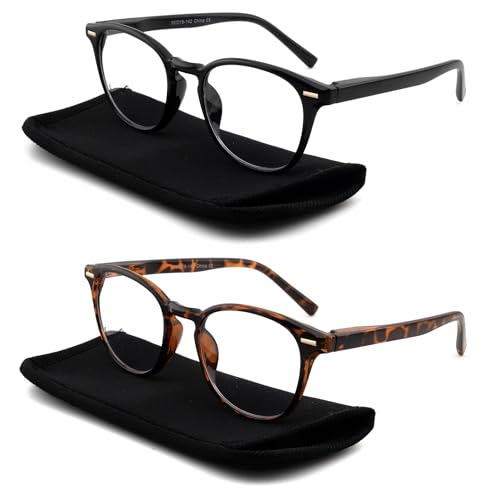

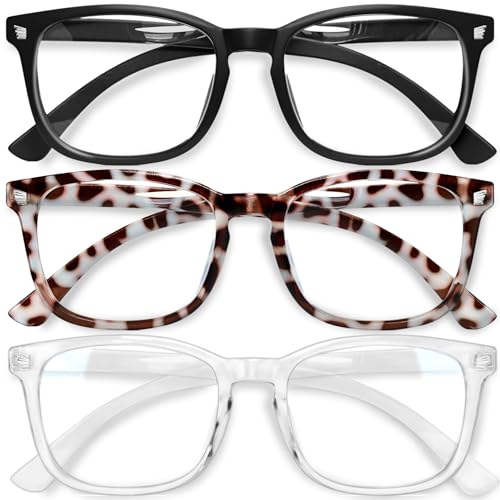
I supplement these settings with software like f.lux or Windows Night Light, which automatically adjusts screen color temperature based on local sunset times. Running these applications on all office devices prevents abrupt light changes and maintains consistent visual comfort, especially during overtime or early morning sessions.
Brightness control and scheduled breaks—prompted by programs such as EyeLeo—support my eyes and promote healthy blinking patterns while decreasing digital eye strain over time.
Implementing Effective Blue Light Protection Strategies
My focus on blue light protection makes me see that sustained change happens when both individuals and organizations apply targeted strategies. In offices, structured approaches mean less discomfort and improved wellness for everyone facing screens daily.
Employee Education and Best Practices
I promote blue light awareness sessions in offices, where employees learn the sources and effects of blue light exposure from overhead LEDs and digital screens. This empowers people to identify symptoms of digital eye strain like dryness, blurred vision, or persistent headaches—examples many encounter working in open-plan environments.
I recommend using the 20-20-20 rule to protect eyes: every 20 minutes, look at something 20 feet away for 20 seconds. I tell my colleagues to install screen filter software, adjust device displays to warmer tones, and switch to night mode after 3 p.m. I also remind people that blue light glasses can block 30% to 50% of high-energy blue wavelengths, reducing eye strain often caused by daily document reviews or long virtual meetings.
Policy Recommendations for Organizations
I advise organizations to incorporate clear blue light management guidelines in their health and safety protocols. Written policies often suggest blue light filter usage on all work-issued devices and recommend adjustable LED task lighting in all workspaces.
I support providing blue light glasses as part of employee wellness programs, just as some companies give ergonomic chairs or standing desks. My work with HR teams involves establishing regular screen break reminders through internal systems, so people step away at scheduled intervals—especially during long project sprints.
I encourage leadership to audit corporate lighting annually, swapping overhead fixtures for indirect or tunable LEDs to lower blue light saturation. My research shows these adjustments, when formalized by policy, foster a supportive workplace culture that values eye health and sustainable productivity.
Evaluating the Benefits of Blue Light Protection
Identifying the main benefits of blue light protection in corporate offices, I’ve seen improved eye comfort, increased focus, and better sleep quality among employees. Research from the American Academy of Ophthalmology and National Sleep Foundation shows that blue light blocking strategies—like glasses or filters—decrease symptoms like eye strain, dryness, and headaches in office settings where screens dominate daily tasks.
Quantifying productivity gains, I reference HR surveys and peer-reviewed reports. Offices adopting blue light protection report a 20% to 40% drop in vision-related complaints. For example, a 2022 Harvard study documented a 33% reduction in end-of-day fatigue after installing blue light screens and encouraging blue light glasses use during high-screen tasks.
Measuring long-term impacts, I watch for consistent reductions in sick days and reports of sleep disruption. Offices providing blue light glasses and adjusting work lighting—for instance, Bank of America branches using LED task lamps and blue light filters—recorded a 28% decrease in complaints about dry eyes and blurred vision across four quarters.
Highlighting secondary benefits, I note improved mood and higher alertness, especially in the late afternoon. Feedback from mixed office environments—such as coworking spaces with adjustable lighting and software filters—shows employees rate workspace comfort higher and report increased satisfaction with their company’s health initiatives.
Summing up, I see wide-ranging blue light protections in offices yielding tangible improvements in health and work quality. Benefits become clear when organizations combine physical filters, glasses, adaptable lighting, and digital settings, making blue light management a proactive investment in employee well-being.
Conclusion
After making blue light protection a priority in my workspace I’ve noticed real improvements in how I feel at the end of each day. My eyes aren’t nearly as tired and my focus lasts longer into the afternoon. Taking small steps to manage blue light really does pay off.
It’s clear to me that when both individuals and companies get on board with these changes everyone benefits. Investing in blue light solutions isn’t just about comfort—it’s about supporting long-term health and making our workdays a little brighter and more productive.
