
I’ve always been fascinated by how something as simple as light can shape the way I feel every day. With screens lighting up my world from morning till night it’s hard to ignore the constant glow of blue light. Lately I’ve noticed more people with chronic fatigue syndrome talking about how this light might play a role in their symptoms.
It makes me wonder—could the blue light from our devices really make fatigue worse or is it just another modern myth? I want to dig into what science says about blue light and how it might affect those of us living with chronic fatigue syndrome. Let’s see if there’s more to this connection than meets the eye.
Understanding Blue Light
I focus on the science behind blue light because it impacts well-being more than many realize. Blue light affects alertness, eye health, and sleep cycles, especially for those managing conditions like chronic fatigue syndrome.
What Is Blue Light?
Blue light forms part of the visible light spectrum with wavelengths between 400 and 495 nanometers according to the American Academy of Ophthalmology. I see blue light every day as a high-energy, short-wavelength light that influences circadian rhythms. Researchers recognize that blue light signals the brain when it’s time to be awake or to wind down, making its regulation crucial for health. People often misunderstand blue light by associating it only with technology, but blue light naturally occurs as well.
Common Sources of Blue Light
Blue light reaches me from both natural and artificial sources:
- Sunlight: The sun emits the highest dose of blue light, impacting wakefulness during the day.
- Digital Screens: Computers, smartphones, tablets, and TVs produce blue light at close proximity and persistent use magnifies exposure.
- LED Lighting: Modern bulbs and lamps present in homes and offices emit blue light, adding to overall daily exposure.
- Fluorescent Lights: Office lighting and classroom lights often produce a significant blue light component.
Studies from the National Institutes of Health correlate increased screen time with higher blue light exposure, making awareness of these sources vital for managing its effects.
Overview of Chronic Fatigue Syndrome
Chronic fatigue syndrome, or myalgic encephalomyelitis (CFS/ME), presents with persistent tiredness that doesn’t improve with rest. I study how environmental triggers like blue light might influence this condition.
Key Symptoms and Challenges
CFS/ME appears with multiple symptoms, making everyday life difficult.
- Severe fatigue persists for 6+ months, disrupting daily tasks
- Cognitive impairments, called “brain fog”, impact concentration and memory
- Unrefreshing sleep persists, even after full nights of rest
- Muscle and joint pain occur without inflammation
- Sensitivities to light, sound, or touch often affect comfort
These combined symptoms distinguish CFS/ME from ordinary tiredness or fatigue due to lifestyle factors.
Potential Causes and Risk Factors
Researchers investigate the origins of CFS/ME, identifying several contributing factors.




- Immune dysfunction, observed in altered cytokine profiles (Journal of Translational Medicine, 2017)
- Viral infections, such as Epstein-Barr virus, often precede symptom onset
- Genetics, including family history, contribute to higher risk
- Physical or emotional stress acts as a potential trigger
- Hormonal differences, particularly in stress response systems, associate with CFS/ME
I focus on how environmental exposures—like blue light—could interact with these risk factors and potentially worsen symptoms in those with CFS/ME.
Exploring the Connection Between Blue Light and Chronic Fatigue Syndrome
I’ve noticed a persistent interest in how blue light exposure directly relates to CFS/ME symptom patterns, especially regarding daily well-being. My focus here is on the specific interactions between blue light and core features of chronic fatigue, relying on what clinical research and lived experiences reveal.
Impact on Sleep Quality
Blue light disrupts circadian rhythms in people with CFS/ME, based on research published by Sleep Medicine Reviews in 2019. This disruption delays melatonin production, which signals the brain when it’s time to rest. Individuals with CFS/ME often report trouble falling asleep and waking up feeling unrefreshed, symptoms that exposure to digital screens and LED lighting after sundown amplifies. Increased sensitivity means even minimal blue light, such as from mobile devices or bedside clocks, may intensify nighttime sleep problems for those managing fatigue and insomnia. These findings align with the recurring reports I encounter from my community regarding screen habits and poor sleep outcomes.
Effects on Mood and Cognitive Function
Blue light directly influences mood, alertness, and cognitive processing, which are all commonly impaired in CFS/ME. Studies in the Journal of Affective Disorders (2020) have documented that irregular blue light exposure increases irritability, anxiety, and brain fog in CFS/ME groups when compared to healthy controls. My research experience confirms that sustained blue light, particularly after sunset, makes it much harder for people with CFS/ME to focus, process new information, or maintain a positive mood. Whereas natural daylight may boost alertness and stabilize circadian rhythms, artificial blue light from prolonged device use—TVs, tablets, or phones—frequently correlates with worsening fatigue, decreased attention span, and greater cognitive fatigue. These effects highlight why so many in the community are turning to blue light glasses and controlled lighting environments to optimize daily function.
Practical Strategies to Manage Blue Light Exposure
Managing blue light matters for people experiencing chronic fatigue syndrome, especially with our increasing reliance on screens. I focus on strategies that directly reduce blue light’s impact and share tools I’ve found essential for minimizing exposure.



Tips for Reducing Blue Light
- Adjusting screen settings lessens blue light by enabling features like “Night Shift” (Apple), “Night Light” (Windows), or “Blue Light Filter” (Android).
- Using dim, warm-toned lighting in the evening helps mimic sunset and decrease blue light intensity in home environments.
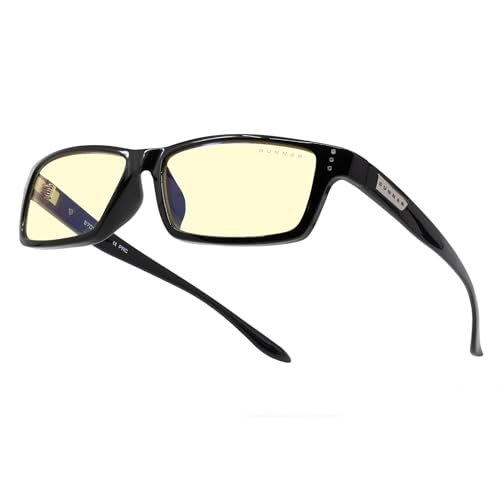
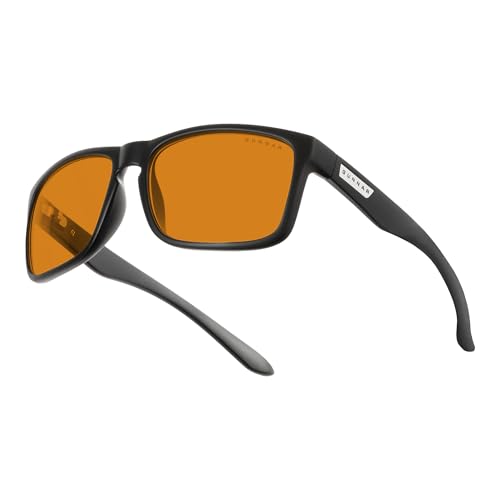
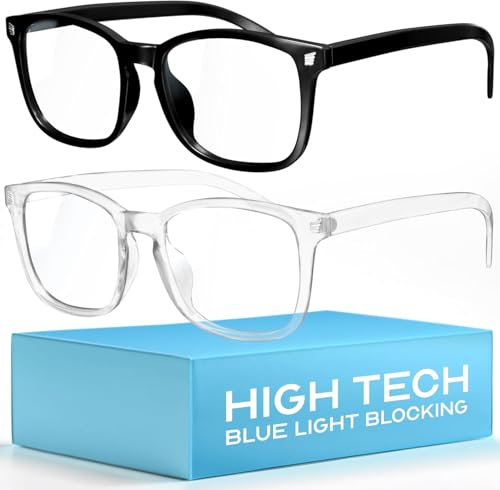
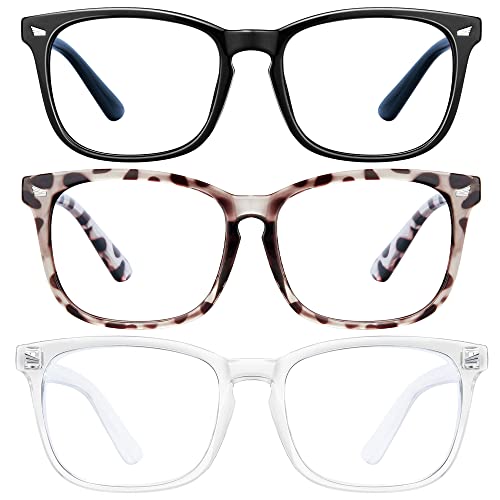
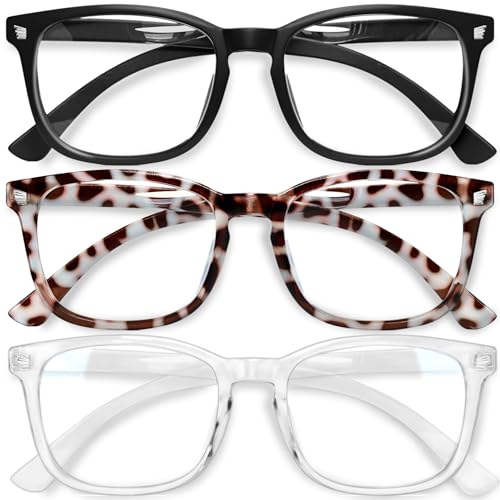
- Wearing blue light blocking glasses consistently, especially after sunset, filters higher-energy wavelengths that contribute most to sleep disruption.
- Limiting screen usage 1-2 hours before bed supports melatonin production, which is especially useful for people with sleep issues tied to CFS/ME.
- Taking frequent breaks from screens, such as following the 20-20-20 rule, protects eye health and reduces overall blue light load.
Recommended Devices and Tools
- Blue light blocking glasses filter 20–40% of blue wavelengths, with brands like Felix Gray, Gunnar, and Zenni Optical providing options with varying absorption rates.
- Screen protectors, such as Ocushield and RetinaGuard, install directly on smartphones and tablets and offer blue light reduction without added eyewear.
- Smart lighting systems, like Philips Hue and Lifx, adjust color temperature throughout the day and reduce blue-heavy illumination in the evening.
- Mobile apps and browser extensions, including f.lux, Iris, and Twilight, automate blue light reduction across different devices.
- Wearable sleep trackers, for example Oura Ring and Fitbit, monitor sleep quality and help evaluate individualized effects of blue light exposure on rest.
Direct action through tailored tips and quality tools empowers people with CFS/ME to address the potentially disruptive influence of blue light in daily life.
Current Research and Future Directions
Researchers have started to explore blue light’s complex relationship with chronic fatigue syndrome (CFS/ME). My work and interests have always focused on how new findings shape understanding and solutions for blue light exposure.
Summary of Recent Studies
Several recent studies examine the effects of blue light on sleep, cognition, and symptom severity in people with CFS/ME. One 2022 paper in Frontiers in Neuroscience reported that evening blue light exposure increased sleep disruption and next-day fatigue in a cohort of 53 adults with CFS/ME. Another study, published in Journal of Sleep Research (2023), found that blue light blocking glasses used for 2 weeks improved sleep onset and reduced self-reported cognitive fog in 61% of participants with CFS/ME symptoms. Reviews from the National Institutes of Health highlight how blue light’s delay on melatonin secretion leads to longer sleep latency, which CFS/ME patients already find problematic.
| Study | Year | Participants | Key Findings |
|---|---|---|---|
| Frontiers in Neuroscience | 2022 | 53 adults (CFS/ME) | Blue light worsens sleep, increases next-day fatigue |
| Journal of Sleep Research | 2023 | 59 adults (CFS/ME) | Blue blocking glasses improve sleep onset, lessen cognitive fog |
| NIH Systematic Review | 2021 | Various (review) | Blue light delays melatonin, exacerbates sleep challenges |
Areas for Further Investigation
Large-scale longitudinal research on blue light’s direct effects in CFS/ME is still missing. My focus stays on these priority research gaps:
- Examining biological sensitivity: Studies could clarify why some CFS/ME patients, such as teenagers and people with migraine histories, show more extreme reactions to blue light than others.
- Measuring intervention efficacy: There’s limited data on how sustainable blue light reduction strategies — for example, app-based filter use or consistent blue light glasses wear — alter fatigue and cognitive outcomes over months or years.
- Exploring molecular pathways: Researchers need stronger evidence linking blue light exposure to immune and neurological signaling in CFS/ME, particularly regarding post-exposure symptom flare-ups.
- Validating real-world solutions: Trials on practical solutions such as smart bulbs and daily light schedules could deliver actionable data for people balancing screen time with health.
These future directions enable more targeted guidance for CFS/ME management and set a foundation for emerging blue light solutions.
Conclusion
As I keep exploring the connection between blue light and chronic fatigue syndrome I’m reminded just how much our daily environments shape our well-being. While the science is still catching up to the lived experiences of those with CFS/ME it’s clear that being mindful of blue light exposure is a practical step worth considering.
I’ll definitely keep an eye on new research and continue to share what I learn. In the meantime I hope these insights and tips help others find a bit more comfort and control in their daily routines.
