
I spend hours every day analyzing numbers and trends on my digital marketing dashboard. It’s exciting to watch campaigns take shape in real time but I’ve started to notice something else—my eyes get tired and I sometimes struggle to focus after long sessions in front of the screen.
Blue light from all these digital displays might be to blame. Like many marketers I rely on dashboards to keep my strategy sharp but I rarely think about how all that screen time affects my well-being. I want to dive into how blue light impacts us and what we can do to protect our eyes while staying on top of our marketing game.
Understanding Blue Light Exposure
Blue light stays at the center of my attention as I work with digital marketing dashboards day after day. My focus on eye health makes it clear that understanding blue light is the first step to managing its effects.
What Is Blue Light?
Blue light makes up part of the visible light spectrum, with wavelengths ranging from 400 to 490 nanometers. Shorter wavelengths carry higher energy, which means blue light reaches deeper into the eye. This type of high-energy visible (HEV) light contributes to digital eye strain. Overexposure links to symptoms like headaches, blurry vision, and disrupted sleep cycles, according to the American Academy of Ophthalmology.
Common Sources in the Digital Workplace
Digital screens emit blue light—examples include monitors, laptops, tablets, and smartphones. Offices using LED lighting also increase exposure levels. Digital marketing dashboards often stay open on screens for several hours, so screen time multiplies exposure. Even ambient lighting in coworking spaces can add to blue light intensity, making it almost impossible to avoid in today’s workplace settings.
Digital Marketing Dashboards: An Essential Tool
I use digital marketing dashboards to track campaign performance, spot trends, and respond quickly to data shifts. These platforms power decision-making with real-time insights, yet they also demand heightened screen interaction—raising blue light exposure risks.
Daily Usage Patterns and Screen Time
I review marketing dashboards throughout the workday, often checking analytics every 15–30 minutes during campaign launches, A/B tests, or high-traffic events. Dashboards like Google Analytics, HubSpot, or SEMrush push me to maintain alerts and conduct detailed reporting sessions that average 7–9 hours of screen time daily. Over a workweek, that’s more than 40 hours directly engaging with blue light-emitting interfaces.
Key Features Increasing Screen Dependence
I rely on real-time data visualization, automated reporting, interactive charts, and notification systems—core features present in tools like Tableau, Zoho Analytics, and Data Studio. These functions prompt frequent log-ins and ongoing monitoring. Customizable widgets, multi-source integrations, and scheduled exports further lock me into digital ecosystems. Collaboration tools, including comment threads and shared dashboards, extend continuous engagement, amplifying cumulative blue light exposure, especially for marketing teams working remotely or across global time zones.
The Effects of Blue Light on Digital Marketers
Monitoring dashboards for digital marketing keeps me glued to screens for hours, and that intense exposure brings real health considerations. Blue light’s unique properties play a significant role in how my eyes and brain respond during long analytics sessions.
Eye Strain and Fatigue
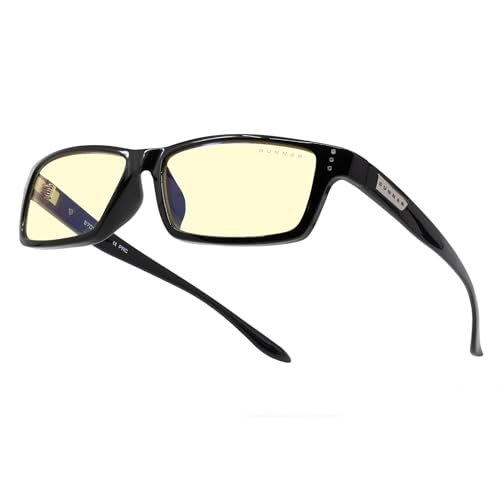
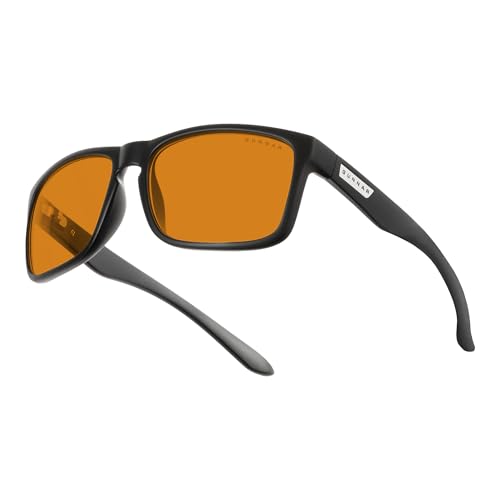
Screen-based digital marketing work exposes me to high levels of blue light, causing noticeable eye strain and fatigue. Symptoms include dryness, burning sensations, and difficulty focusing after just one or two hours of continuous dashboard monitoring. According to the American Academy of Ophthalmology, blue light between 400 and 490 nanometers can cause digital eye strain, which affects up to 70% of frequent screen users. During high-activity periods, blinking rates drop from 15 blinks per minute to as low as 5–7, which intensifies discomfort. Wearing blue light glasses reduces glare and filters out a portion of these wavelengths, often helping me maintain visual comfort when analyzing rapid performance updates or graphic-heavy dashboards.


Impact on Productivity and Well-Being
Consistent exposure to blue light from marketing dashboards directly impacts my productivity and sense of well-being. Fatigue increases as blue light disrupts my circadian rhythm, making it harder to concentrate, remember data, or react quickly to campaign shifts. If I check dashboards into the evening, blue light can suppress melatonin production and delay sleep onset by over 30 minutes, as cited in a Harvard Medical School study. Poor-quality sleep means my decision-making and attention suffer during crucial campaign launches. Integrating blue light filters, screen breaks every 60 minutes, and glasses specially designed for blue light helps me stay alert and focused—anchoring both my marketing performance and daily comfort.
Strategies to Mitigate Blue Light Risks
Reducing blue light risks takes focused effort, especially with the constant demands of digital marketing dashboards. I use several targeted approaches to stay comfortable and maintain eye health while tracking data-driven tasks.
Software Solutions and Dashboard Settings
Adjusting platform settings and using dedicated apps lowers blue light exposure from screens.
- Native Night Mode: I enable night or dark mode in dashboards like Google Data Studio and Tableau to cut blue light intensity, especially in low-light environments.
- Blue Light Filter Apps: I deploy apps such as f.lux and Windows Night Light to automatically shift display hues toward warmer tones after dusk, which research (Harvard Health Publishing) links to reduced circadian disruption.
- Brightness and Contrast Controls: I manually tune brightness and contrast to match ambient room lighting, avoiding both harsh glare and excessive dimness.
- Custom Color Palettes: In custom dashboards, I configure color schemes that use more muted greens and reds, steering clear of high-energy blue shades.
Best Practices for Healthy Screen Time
Establishing simple eye care routines helps minimize blue light’s negative effects over long dashboard sessions.
- Regular Breaks: Every hour, I follow the 20-20-20 rule—looking 20 feet away for 20 seconds after 20 minutes on screen—endorsed by the American Academy of Ophthalmology to relieve strain.
- Blink Reminders: I set reminders or use browser extensions to prompt blinking, which keeps my eyes from drying, a common issue during deep concentration on metrics.
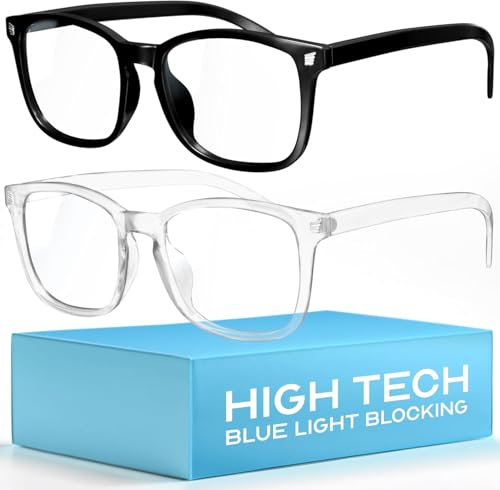
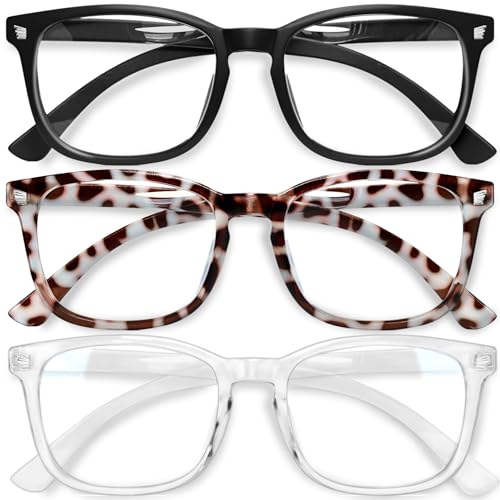
- Use of Blue Light Glasses: I wear blue light-blocking glasses, especially during evening reporting periods, to reduce glare and preserve comfortable vision.
- Workspace Ergonomics: I align my monitor at eye level and keep it about 20–28 inches away, which lowers eye fatigue associated with close-up digital work.
These layered strategies support sustained comfort and performance for anyone working with digital marketing dashboards or spending long hours with multiple screens.




The Future of Digital Workspaces and Eye Health
Digital workspaces evolve quickly, amplifying both opportunities and risks for eye health. I focus on the intersection of blue light and human well-being, highlighting advancements that help people engage with dashboards and screens more safely.
Emerging Technologies and Screen Innovations
Screen innovations drive new solutions for blue light reduction. OLED displays, for example, emit less blue light than typical LED monitors, reducing exposure while preserving color quality. Adjustable backlighting systems, such as Samsung’s Eye Care-certified monitors, dynamically minimize harsh wavelengths during long dashboard sessions.
Software tools, like integrated night mode and adaptive brightness, automatically reduce blue light output in response to ambient light. On mobile devices, brands like Apple and Android include native blue light filters called Night Shift and Night Mode. For desktop users, applications such as f.lux and Windows’ Night Light provide customizable options, shifting color temperatures below 3400K to reduce strain.
Wearable innovations, such as blue light-blocking glasses, use specialty coatings to filter wavelengths between 400 and 455 nanometers. Brands like Felix Gray and Gunnar create lenses for professionals managing digital marketing campaigns and remote collaboration across multiple time zones.
Voice assistant support and touchless navigation further lessen repetitive visual tasks on marketing dashboards. For instance, Google Assistant and Alexa can retrieve data updates, decreasing direct screen interaction, which minimizes cumulative blue light absorption.
I see digital workspaces transforming with smarter displays, adaptive lighting, and wearable filters, supporting eye comfort while leveraging next-generation dashboard analytics.
Conclusion
Staying on top of digital marketing dashboards is both exciting and demanding but I’ve learned that eye comfort can’t take a back seat. As technology keeps evolving I’m hopeful that new tools and smarter work habits will make it easier for all of us to stay healthy while staying connected.
Taking small steps to protect my eyes has already made a difference in how I feel at the end of a long day. If you’re also spending hours in front of dashboards remember that a few mindful changes can go a long way toward better well-being.
