
When I dive into a music project, hours can slip by without me even noticing. The glow from my laptop and studio monitors becomes my world as I tweak sounds and layer beats late into the night. But I’ve started wondering if all that blue light pouring from my screens is affecting more than just my creative flow.
It’s easy to forget how much time I spend staring at digital devices while producing music. I used to think those bright screens were just part of the process. Lately though, I’ve heard more about blue light and how it might impact my eyes, my focus, and maybe even my sleep. So I decided to dig a little deeper into how blue light really fits into the world of digital music production.
Understanding Blue Light Exposure in Digital Music Production
Digital music production exposes me to blue light for long periods, especially when I’m using multiple screens and working with digital audio workstations. My goal is to help others recognize how blue light interacts with this creative environment.
What Is Blue Light?
Blue light refers to visible light in the 400–495 nanometer range, which carries more energy than other visible wavelengths. I find that it’s present in sunlight, but digital displays and LED lighting also emit significant amounts. My research shows that prolonged exposure to artificial blue light may disrupt circadian rhythms and visual comfort, based on evidence from Harvard Health Publishing and the American Academy of Ophthalmology.
Sources of Blue Light in Music Production Environments
Production studio setups concentrate blue light exposure in several places:
- Laptop and Desktop Screens: DAWs like Ableton Live, FL Studio, and Logic Pro require sustained attention to high-resolution monitors.
- External Monitors: Dual or triple-monitor setups for mixing and mastering extend blue light exposure each session.
- LED Studio Lighting: RGB lights, backlit keyboards, and illuminated control surfaces emit higher blue light levels compared to traditional lighting.
- Mobile Devices: Using tablets, smartphones, or MIDI controllers with integrated displays introduces mobile blue light sources during the creative process.
Studio routines centered around digital workstations mean most music producers, including myself, deal with significant blue light exposure daily. I always recommend considering both the screen brightness and ambient lighting choices to minimize risk.
The Impact of Blue Light on Musicians and Producers
Musicians and producers often face hours of screen exposure while crafting tracks. I see the effects of blue light as more than a minor annoyance—they shape the creative and physical well-being of anyone working with digital music tools.
Effects on Sleep and Circadian Rhythm
Blue light directly affects the body’s circadian rhythms, which regulate sleep and wake cycles. I notice that after late-night production sessions, falling asleep gets harder, especially when I’ve worked with brightly lit screens or LED gear. Studies published by Harvard Health (2020) and the Journal of Pineal Research (2017) confirm that blue light can suppress melatonin by up to 85% in night-time exposure sessions, delaying the onset of sleep for digital creators like producers and composers.
Influence on Eye Strain and Fatigue
Long production hours under blue-heavy LED lighting and digital screens consistently trigger eye strain. For me, symptoms include blurry vision, dry eyes, and even headaches after extended mixing or editing. The American Academy of Ophthalmology connects these symptoms—collectively called Digital Eye Strain—to prolonged screen time, highlighting that music producers using two or more monitors (like DAW users) are especially at risk without adequate lighting adjustments.
Cognitive Implications for Creativity and Focus
Blue light intensity impacts not only visual comfort but also mental clarity and inspiration while producing. I track noticeable drops in focus after back-to-back editing blocks exposed to high-blue-light displays. Research from Stanford’s School of Medicine (2021) links excessive blue light to reduced cognitive performance, especially creativity and task persistence in creative professionals like music producers and instrumentalists. These findings stress the need for both awareness and practical solutions, like blue light filtering glasses or adjusting display warmth, to maintain creative momentum in digital production settings.



Managing Blue Light While Producing Music Digitally
Managing blue light levels is essential in digital music production. I always use targeted strategies to minimize exposure, especially during long sessions in front of screens.
Practical Tips for Reducing Exposure
I use these practical tactics daily to limit blue light while producing music:
- Reduce screen brightness for monitors and laptops, especially after sunset
- Enable night mode or warm color settings on DAWs and devices—macOS Night Shift, Windows Night light, and f.lux are examples
- Take regular visual breaks with the 20-20-20 rule—every 20 minutes, I look 20 feet away for 20 seconds
- Choose ambient lighting with low blue light output, such as warm LED bulbs, for the studio
Blue Light Filtering Tools and Technologies
I rely on these blue light filtering tools to protect my eyes during production:
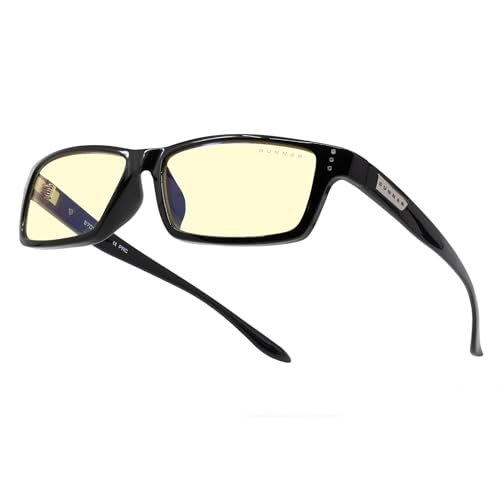
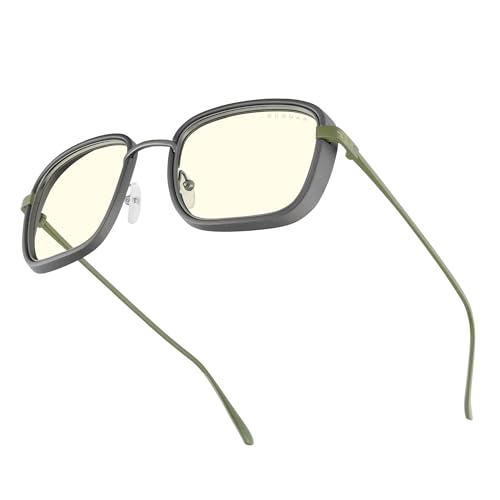
- Blue light glasses with specialized lenses—brands like Felix Gray and Gunnar block a portion of blue wavelengths
- Screen filters that attach to monitors—examples include Ocushield and VizoBlueX panels
- App-based solutions—software like Iris, f.lux, and built-in filter settings in most operating systems shift screen color temperature to reduce blue output
| Tool/Technology | Function | Example Brands/Apps |
|---|---|---|
| Blue light glasses | Block blue wavelengths from eyes | Felix Gray, Gunnar |
| Screen filters | Filter blue light at the display | Ocushield, VizoBlueX |
| Software | Adjust color temperature settings | f.lux, Iris, Night Shift |
Ergonomic Workspace Strategies
I structure my workspace to naturally counteract blue light effects:
- Position screens at or just below eye level to reduce eye fatigue
- Use indirect ambient lighting to balance bright monitors and decrease glare
- Set up LED panels with adjustable color temperature for a warm studio environment
- Arrange for natural light exposure by placing my workstation near a window during daytime sessions
These combined approaches help me enjoy digital music production without compromising visual comfort or well-being.




Balancing Productivity and Well-Being in Digital Studios
Optimizing digital music production spaces for productivity and well-being means I always consider blue light’s unique impact on creative routines. I spend hours editing, arranging, and mixing with my attention fixed on screens and LEDs, so understanding how blue light affects both workflow and health remains essential.
Maintaining creative flow while managing blue light exposure involves targeted strategies:
- Scheduling Sessions Mindfully
I plan high-focus music work earlier in the day, when natural alertness peaks, lowering artificial blue light risk at night.
- Integrating Blue Light Filtering Gear
I rely on blue light glasses and screen filters during long sessions, with examples such as Gunnar and Felix Gray lenses, to protect my eyes and circadian rhythms without losing productivity.
- Curating Ambient Lighting
I use warm, dimmable LEDs in my studio, keeping color temperature under 3,000K after sunset, to minimize artificial blue light and support evening wind-down.
- Implementing Work–Rest Intervals
I follow 45-minute creative intervals with 5–10 minute screen breaks, using tools like Pomodoro timers, to reduce digital eye strain while sharpening focus.
- Customizing Display Settings
I adjust monitors to ‘night mode’ settings, with color temperature at 4,000K or warmer after dark, lowering blue light output and promoting visual comfort.
- Monitoring Sleep Hygiene
I track my sleep patterns through wearables, correlating late-night production sessions with changes in rest quality when I forget to use blue light filtration.
Balancing artistic productivity and health in digital studios becomes achievable when I set up thoughtful workflows and make blue light mitigation a habit. I stay passionate about these techniques because they let me create music at my best, while supporting long-term visual and cognitive wellness.
Conclusion
Finding the right balance between creativity and well-being in the studio has become a priority for me. As I’ve made small changes to my workspace and habits I’ve noticed a real difference in how I feel after long sessions.
Protecting my eyes and sleep doesn’t mean sacrificing productivity or inspiration. With a few mindful tweaks I can keep my workflow smooth and my mind sharp—so I can keep making music that feels good both in the moment and the next day.
