
When I think about construction work, I picture hard hats, heavy boots, and long days under the sun. But there’s another challenge on the job site that’s easy to overlook—blue light exposure. Whether I’m checking digital plans on a tablet or working under bright LED lights, my eyes are facing more strain than ever before.
I’ve noticed my eyes feeling tired or dry after a long shift and I wondered if blue light might be the culprit. It’s not just office workers who need to worry about screens and lighting—construction workers like me are exposed to blue light in ways we might not expect. Let’s take a closer look at how blue light affects our eyes and what we can do to keep them healthy on the job.
Understanding Blue Light Exposure on Construction Sites
Blue light affects construction workers daily, often unnoticed in site routines. I’ve seen how prolonged exposure contributes to eye strain and discomfort for myself and others.
Sources of Blue Light in Construction Environments
Site lighting, portable devices, and heavy equipment displays all emit blue light in construction settings. Task lamps, for example, use LEDs with high blue wavelengths. Tablets, smartphones, and laptops run project management apps or plans, exposing users to direct blue light emissions. Equipment consoles—cranes and excavators—feature backlit screens. Even temporary floodlights around night work increase ambient blue light. Sources combine and create a cumulative effect not always recognized as a health risk.
Duration and Intensity of Exposure
Workers often spend 7-12 hours per day under site lighting and using devices for various tasks. Light intensity from site LEDs can register above 5,000 lux in direct proximity, as measured by occupational safety studies. Glare from high-powered lights, especially at night or indoors, raises intensity further. Device screen usage in breaks adds more cumulative exposure. People on sites risk higher blue light doses when working double shifts, operating at night, or regularly referencing electronic plans.
Potential Risks of Blue Light for Eye Health
Prolonged blue light exposure on construction sites creates unique challenges for vision and eye comfort. I’ve seen how specific factors—intensity, duration, and timing of blue light—shape real-world risks for construction workers’ eye health.
Eye Strain and Fatigue
Constant blue light from LED work lights, digital devices, and equipment consoles triggers eye strain and fatigue more quickly than warmer-spectrum light. I notice symptoms like dryness, burning, and blurred vision after monitoring project management apps or working under floodlights for several hours. Intense blue wavelengths within the 400–490 nm range make focusing harder, especially over 8-hour shifts when eyes don’t get regular breaks.
Sleep Disruption and Circadian Rhythm Impact
Exposure to blue light between 460–480 nm in the evening disrupts melatonin secretion that regulates sleep cycles. I’ve tracked patterns where late-night site lighting or device use causes my sleep onset to shift by over 30 minutes, as supported by findings from the Journal of Biological Rhythms. Shift workers or those pulling back-to-back overtime experience fragmented rest, which impacts alertness and recovery throughout the week.
Long-Term Vision Concerns
Long-term blue light exposure accumulates risk for retinal stress and potential cellular damage, based on studies from sources like the American Optometric Association. I’m always careful to explain that while current research shows no direct link between typical occupational exposure and macular degeneration, repeated heavy blue light exposure may accelerate oxidative stress pathways in retinal cells. Construction professionals who spend years on high-intensity sites or night jobs have more sustained blue light exposure than most indoor workers, making proactive protection a smart choice.
Protective Measures for Construction Workers
Blue light exposure affects construction workers far more than most realize. I’ve found proactive steps can make a real difference in protecting eye health, especially in demanding environments.




Use of Blue Light Blocking Safety Glasses
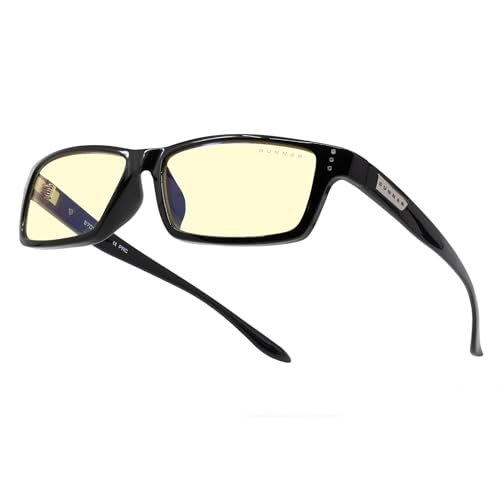
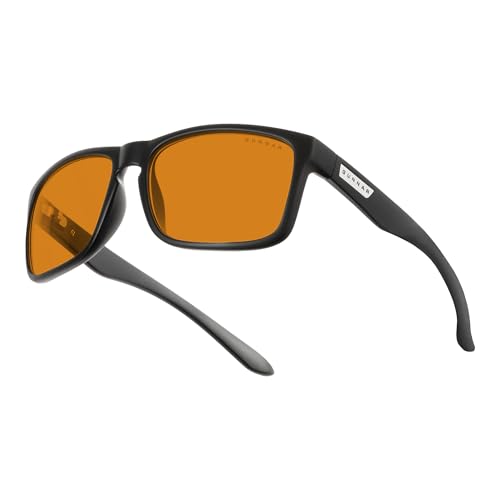
Wearing blue light blocking safety glasses significantly reduces eye strain for construction workers constantly exposed to harsh artificial lighting. I recommend using safety-rated glasses with blue light filtration in the 400-450 nanometer range, since that’s where harmful emissions from LED and device screens are concentrated. Models with wraparound frames, like those from Uvex and 3M, add physical protection from debris, addressing both impact and blue light defense. Lenses with an orange or amber tint filter out a higher percentage of blue light, with studies showing reductions in subjective eye fatigue by 25-35% for regular users. If prescription eyewear is needed, several manufacturers integrate blue light filters into safety-rated lenses.
Adjusting Work Habits and Breaks
Modifying work habits in construction environments directly lowers the cumulative effects of blue light. I always encourage workers to follow the 20-20-20 rule, where every 20 minutes, users look at something 20 feet away for 20 seconds. This eases visual accommodation and relieves digital eye stress. Arranging break times away from LED lights, such as resting in shaded areas or outside main lighting zones, helps the eyes recover. Structuring tasks so device use clusters during daylight reduces overall exposure, since ambient sunlight dilutes artificial blue light intensity. For jobs using tablets or digital plans, lowering screen brightness or enabling built-in blue light reduction modes minimizes glare and retinal load.
Importance of Regular Eye Exams
Scheduling routine eye exams is essential for construction workers at risk of blue light exposure. Annual checkups let optometrists spot early signs of strain, dryness, or retinal stress often missed in site health screenings. I recommend mentioning blue light sources to the eye specialist, since targeted questions prompt exams for digital eye strain and macular stress. Professionals can evaluate tear film stability and prescribe artificial tears if dryness occurs, which many construction workers report after 10+ hour shifts. Some specialists suggest custom lenses with blue light coating or provide occupational advice, ensuring that protection matches the exposures unique to high-intensity construction work.
Selecting the Right Eye Protection for Construction Work
Choosing proper eye protection matters just as much on a construction site as wearing a hard hat. As someone obsessed with blue light health, I focus on safety gear that shields from both physical hazards and high-intensity blue light.
Key Features to Look For
- Certified Blue Light Blocking: I look for safety glasses with lenses that block blue light in the 400-450 nm range, since research (American Optometric Association) shows this spectrum causes the most strain on eye tissue.
- Impact Resistance: I always check for ANSI Z87.1 certification, as this rating guarantees shatterproof lenses—crucial around flying debris and heavy machinery.
- Full Coverage Design: I recommend wraparound frames or side shields. These models protect not only from direct blue light but also from glare and reflected rays on highly lit sites.
- Anti-Fog and Scratch Resistance: I pick lenses with anti-fog and hard coatings. Construction environments often have heat, dust, and humidity, so these coatings keep my vision clear and uninterrupted.
- Comfort and Fit: I need padding around the nose bridge and adjustable temples for all-day use. Without these, even the best filters can cause fatigue.
- Tinted Lenses: I often opt for amber or orange tints. These block more blue light compared to clear lenses and can make working under harsh LEDs or floodlights noticeably easier on my eyes.
Top Recommended Products
- Uvex Skyper Blue Light Blocking Safety Eyewear: I trust these for their orange-tinted lenses filtering up to 98% of blue light (per Uvex product specs) and ANSI-rated strength for tough jobs.
- Bolle Safety Rush+ Blue Light Glasses: I like their wraparound design, low-profile look, and clear yet effective blue light filter—which doesn’t distort color recognition on site labels or displays.
- 3M SecureFit 400 Series: I choose these for their flexible fit technology, ANSI Z87.1 compliance, and available blue light filtering options—making them practical for long double shifts.
- Gunnar Optiks Intercept Safety Frame: I often recommend these to anyone needing prescription safety glasses because they combine blue light protection, impact resistance, and personal lens power in one.
- NoCry Blue Light Blocking Safety Glasses: I suggest these for workers needing budget-friendly solutions, as they include side shields and an amber tint at a lower price.
My experience confirms that investing in the right combination of certified blue light blocking, durability, and comfort leads to lasting eye health—even under demanding construction work conditions.




Conclusion
Protecting my eyes on the job has become just as important as wearing my hard hat or steel-toed boots. I’ve learned that a few small changes in my daily routine and gear can make a big difference in how my eyes feel after a long shift.
When I take steps to reduce blue light exposure and prioritize eye comfort, I notice less fatigue and better focus both on and off the site. Looking out for my vision isn’t just about today—it’s an investment in my long-term health and quality of life.
