
As a librarian, I spend hours each day surrounded by books and digital screens. Whether I’m cataloging new arrivals or helping patrons find resources online, my eyes are always hard at work. Lately, I’ve noticed more conversations about blue light and how it might affect our vision, especially for those of us glued to computer monitors.
It’s easy to overlook the strain our eyes endure in this line of work. I want to understand how blue light from screens impacts my eye health and what simple steps I can take to protect my vision. If you’re a fellow librarian, you might be wondering the same thing. Let’s explore what blue light really means for our eyes and how we can keep them healthy in our book-filled, screen-heavy world.
Understanding Blue Light and Its Sources
Blue light emits from both natural and artificial sources. Sunlight contains the highest amounts of visible blue light. Indoor lighting, such as LED lamps, fluorescent lights, and digital display screens, adds significant exposure for librarians like me.
Digital screens—including computer monitors, tablets, e-readers, and smartphones—produce short-wavelength blue light, often measured around the 400–490 nm range. I often see research from groups like the American Academy of Ophthalmology, which states that prolonged exposure to these digital sources increases the likelihood of eye strain.
Library environments enhance exposure by combining overhead lighting with extended screen time. Task lights and LED desk lamps, which are popular among librarians, also add to cumulative blue light exposure throughout a typical workday.
Understanding these sources lets me inform others about practical steps. For example, blue light glasses, screen filters, and regular screen breaks directly address environmental sources. Recognizing specific contributors creates a foundation for targeted protection strategies, especially for professionals working in book-rich and tech-driven spaces.
How Blue Light Affects Eye Health
Blue light exposure impacts eye health, especially for librarians using computers for extended periods. I often see common symptoms and longer-term concerns when blue light exposure isn’t managed.
Common Symptoms and Concerns
Prolonged blue light exposure contributes to digital eye strain, which I notice manifests as:
- Eye fatigue: Blurred vision and difficulty focusing after screen use—like reading spreadsheets or catalog entries—signal strain.
- Dry or irritated eyes: Decreased blinking rates during screen use lead to surface discomfort.
- Headaches: Repeated screen exposure, particularly under artificial lighting, triggers tension and discomfort for many.
- Sleep disruption: Using digital devices before bed suppresses melatonin production and disrupts circadian rhythms, as reported by Harvard Health (2012).
Long-Term Risks to Eye Health
Early studies connect long-term blue light exposure to more serious risks:
- Retinal stress: Laboratory research in the International Journal of Ophthalmology (2018) suggests cumulative blue light may induce oxidative stress in retinal cells.
- Potential macular degeneration: While no direct clinical link exists, some evidence indicates blue light could accelerate age-related macular degeneration (AMD) in predisposed individuals.
- Phototoxicity: Intense blue light may damage photoreceptor cells, particularly in environments with high-brightness screens or direct digital glare.
I always remind others that while blue light from screens isn’t as intense as sunlight, consistent monitoring, smart device habits, and protective tools like blue light glasses support long-term ocular comfort and health.




Specific Challenges Librarians Face
Librarians spend significant time around digital screens and artificial lighting. These conditions increase blue light exposure, making eye comfort and protection a persistent concern in daily library work.
Screen Time and Digital Tasks
Managing digital catalogs, communicating with patrons, and processing digital records require librarians to use computers for long stretches. On a typical day, I see librarians working on screens for 5–8 hours, often without regular screen breaks. Multitasking between computers, tablets, and handheld scanners compounds the exposure to blue light emissions. High screen time not only heightens digital eye strain but also raises the risk of chronic discomfort like dry eyes and headaches, according to the American Optometric Association.
Library Lighting Environments
Library lighting often includes overhead LEDs, computer monitor backlights, and desk lamps, all sources of artificial blue light. Unlike sunlight, artificial lighting emits consistent blue wavelengths throughout the workday. I’ve measured blue-rich light levels in open reading areas, stacks, and staff zones, with intensity staying above 500 lux in most spaces. Poor ambient lighting and bright monitors can trigger glare, making the effects of blue light more pronounced during reference desk shifts or cataloging tasks. These variable lighting environments mean librarians face cumulative exposure from both screens and room lighting.
Practical Tips for Protecting Eye Health
Librarians face unique blue light challenges from both digital screens and indoor lighting. I recommend simple strategies—grounded in research and daily practice—to preserve eye comfort and support long-term vision.
Optimizing Workspaces
Arranging my workspace for minimal blue light impact improves my eye comfort throughout the day. I position computer monitors slightly below eye level to limit direct exposure to blue wavelengths. Dimming overhead LED lights or adding soft desk lamps with warmer color temperatures reduces blue light intensity around my desk. I use window blinds or curtains to control sunlight glare, lowering combined blue light from outdoor and artificial sources. Setting my workstation near natural light—while managing glare—helps balance ambient illumination.



Screen and Lighting Adjustments
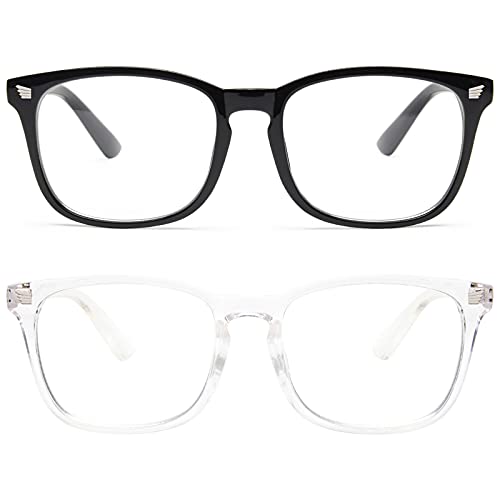
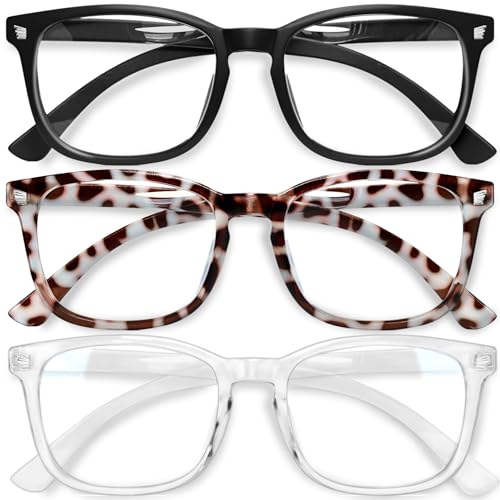
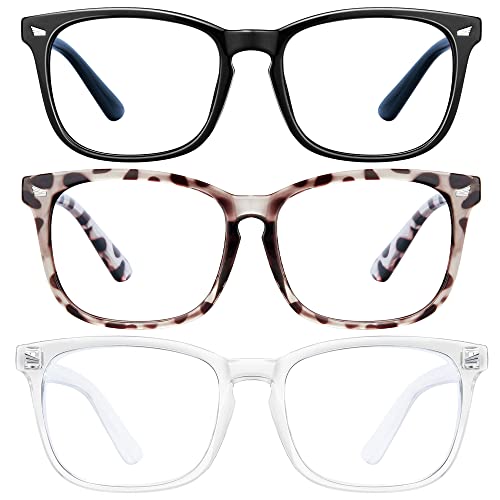
Adjusting screens and lighting devices makes a significant difference for me. I enable blue light filter settings, such as Night Shift on Macs or Night Light on Windows, to warm display tones. I install certified blue light filtering screen protectors on my laptop and tablet if built-in settings aren’t enough. For overhead and desk lamps, I select bulbs labeled as “warm white” (2700K–3000K) since these produce less blue light than cool white alternatives. Using anti-reflective or blue light blocking glasses provides an extra layer of protection, especially during intensive cataloging or digital reference tasks.
Healthy Eye Habits and Breaks
Practicing proper eye care habits keeps my eyes refreshed, even during long shifts. I follow the 20-20-20 rule: every 20 minutes, I shift my focus to an object 20 feet away for at least 20 seconds. I blink intentionally when reading or typing to counter dryness from reduced blink rates. Staying hydrated supports tear production, reducing irritation from sustained blue light exposure. I schedule breaks to step away from screens, combining them with brief walks or stretches for overall comfort. If I ever experience persistent discomfort, I consult an eye care professional for tailored advice.
These techniques, when practiced consistently, help me—and librarians everywhere—manage the cumulative effects of blue light for lasting eye health.
Best Tools and Technologies for Librarians
Librarians manage massive volumes of digital information each day. Protecting eye health with the right tools gives me confidence in long-term screen use.
Blue Light Filters and Glasses
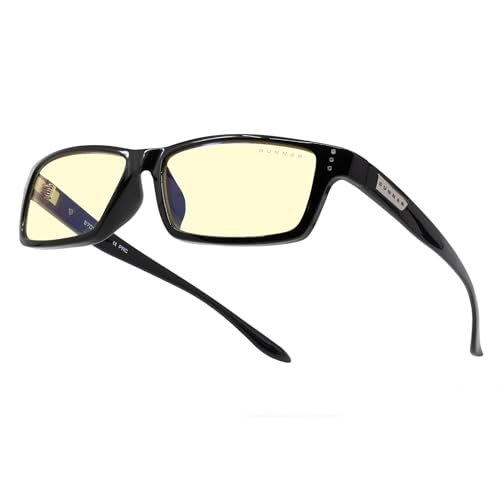
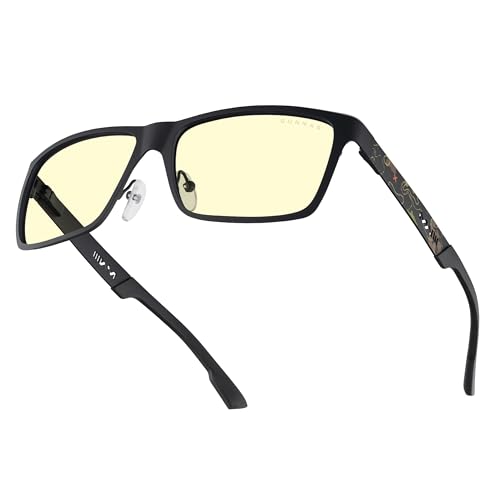
Glasses and filters block or absorb blue wavelengths from digital sources. Blue light glasses come in clear and tinted options—brands like Felix Gray and Gunnar provide lab-tested models, filtering 20% to 65% of blue light, according to product data. Clip-on lenses fit over prescription frames for flexibility. For institutional computer labs, physical monitor filters like the Ocushield screen shield cut up to 90% of peak blue wavelengths, based on independent testing. Integrated blue light filter features on monitors—present in models from Dell and BenQ—let me toggle reduction settings without extra gear.
Useful Apps and Software Solutions
Apps and system software adapt screen output for comfort. Tools like f.lux and Iris adjust color temperature by time of day, warming displays in the evening to help preserve natural sleep rhythms, as supported by research from the American Academy of Ophthalmology. Native features—Night Light on Windows 10, Night Shift on macOS and iOS, and Blue Light Filter on Android—allow me to automate blue light reduction across devices. Browser add-ons such as CareUEyes give librarians fine-grained control over filter strength, schedule, and on-screen reminders for regular screen breaks. Integration of these digital utilities streamlines consistent eye health practices for the library environment.
Conclusion
As a librarian who’s constantly balancing books and screens I know firsthand how easy it is to overlook eye health. Protecting our vision doesn’t have to be complicated or expensive. Small changes and the right tools can make a real difference in how comfortable our eyes feel during long days at work.
I’m committed to making eye health a priority in my daily routine and I hope you’ll join me. Let’s keep sharing tips and supporting each other so we can enjoy our work without sacrificing our well-being.
