
As a nurse I spend countless hours in front of screens—charting patient notes checking vitals and keeping up with the latest medical updates. It’s easy to lose track of time when I’m focused on caring for others but I’ve started to notice how much my eyes feel strained by the end of a long shift.
Blue light from computers tablets and even hospital monitors has become a constant part of my daily routine. I used to think eye strain was just part of the job but lately I’ve wondered if there’s more I can do to protect my eye health. Let’s take a closer look at how blue light affects us as nurses and what simple steps we can take to keep our eyes comfortable and healthy.
Understanding Blue Light and Its Sources
Blue light plays a significant role in digital eye strain, especially for nurses who frequently use electronic devices. I focus on how this form of visible light, which has wavelengths between 400 and 490 nanometers, penetrates the eye and reaches the retina. Scientific reviews, like those from Harvard Medical School, show that high-energy visible (HEV) blue light impacts alertness and sleep cycles in humans.
Digital devices represent the main source of blue light exposure for nurses. Screens from phones, tablets, computers, and LED monitors all emit blue light continuously during use. I include examples such as hospital monitoring equipment and electronic health record terminals since nurses interact with these tools every shift.
Environmental lighting, especially LED and fluorescent lights common in healthcare facilities, also emit significant blue light. I compare this to the natural presence of blue light coming from sunlight, which usually peaks outdoors between 10 AM and 2 PM. For nurses working early shifts, exposure to both natural and artificial blue light sources frequently overlaps.
I track my own screen time and daily exposure to artificial lighting to highlight that cumulative blue light is a growing concern for anyone in the healthcare field. Awareness of these sources enables nurses to monitor habits and consider protective solutions like blue light glasses when exposure seems unavoidable.
How Blue Light Affects Eye Health
Continuous exposure to blue light from screens and artificial lighting affects nurses in ways that go beyond short-term discomfort. I focus on evidence-based effects and simple solutions for protecting vision in healthcare settings.
Short-Term Effects on Vision
Short-term exposure to blue light leads to digital eye strain, which I often see in nurses after their shifts. Common symptoms include dry eyes, blurry vision, headaches, and a feeling of heaviness in the eyelids, according to the American Optometric Association. I notice these effects after long sessions with electronic health records or patient monitoring screens. Studies confirm that even 2+ hours of continuous screen use increases discomfort, especially when using LED-lit devices like tablets and hospital monitors.
Long-Term Risks for Nurses
Extended periods of blue light exposure increase long-term risks for nurses. Clinical findings associate cumulative exposure with retinal cell damage and contribute to age-related macular degeneration (AMD), as documented by the National Eye Institute. I track daily blue light exposure patterns, and research shows that nurses working overnight under fluorescent and LED lights experience disrupted circadian rhythms, increasing the risk of sleep disorders. Over many years in nursing, I’ve observed that eye fatigue becomes more persistent without effective blue light management. The link between occupational hazards and blue light is especially relevant for healthcare professionals who seldom get breaks from digital devices.
Unique Exposure Risks for Nurses
Nurses like me face a constant blend of screen time and artificial lighting unique to healthcare. This combo heightens blue light exposure compared to many other professions.




Hospital Lighting and Screen Use
Hospitals rely heavily on bright LED and fluorescent fixtures, emitting significant blue light. Nurses work under these lights for 8–12 hour shifts, often with little natural light. During a typical shift, I use electronic health records, portable tablets, and patient monitoring screens for hundreds of entries and checks. The constant switching between devices leads to sustained blue light exposure, easily exceeding 6–8 hours per day. In a 2021 study published in Occupational Medicine, hospital staff exposed to high-intensity lighting reported higher rates of digital eye strain and eye fatigue compared to staff in offices. Unlike office settings, I can’t readily adjust the overhead lighting or limit my screen use, which means the risks stack up over time.
Shift Work and Circadian Rhythm Disruption
Many nurses cycle through day, evening, and night shifts, exposing us to hospital lighting at all hours. This disrupts our circadian rhythm, because exposure to blue-rich lights at night suppresses melatonin. According to the CDC, shift workers are more likely to suffer sleep disturbances, chronic fatigue, and mood changes linked to irregular blue light exposure. After night shifts, I often feel alert when I’m supposed to rest, while the glare from bright ward lights makes it hard to wind down. Blue light enthusiasts like me find that these patterns aren’t just inconvenient—they create chronic challenges that go way beyond regular digital eye strain.
Strategies to Protect Eye Health
Daily exposure to blue light in nursing demands proactive strategies. I focus on the most effective options that nurses consistently use to minimize digital eye strain and maintain healthy vision.
Blue Light Blocking Technologies
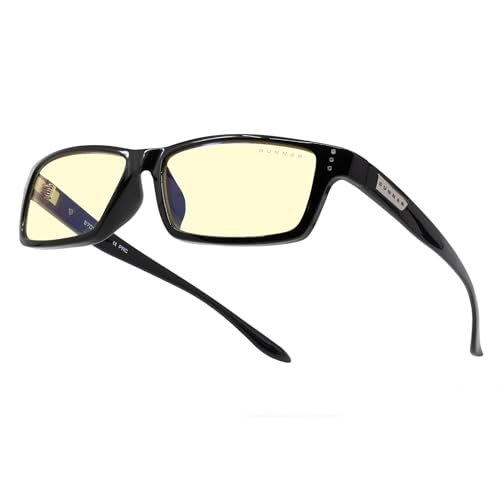
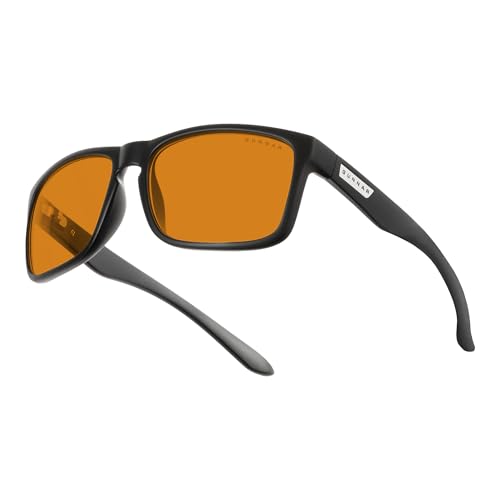
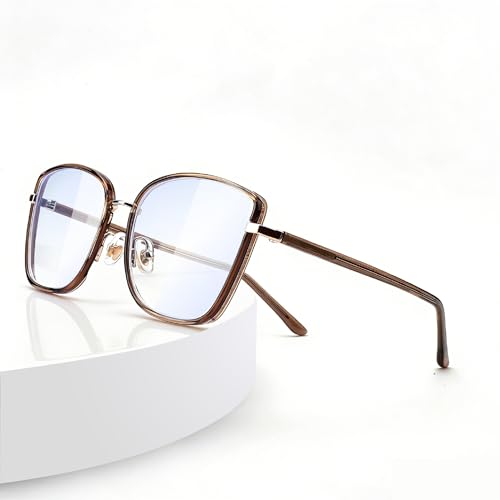
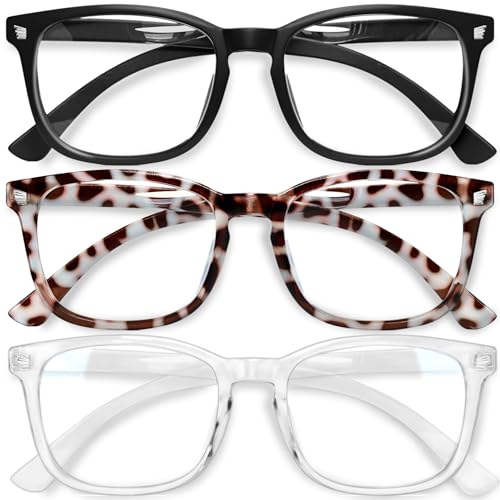
Blue light blocking glasses, screen filters, and device settings target digital eye strain for nurses. I’ve compared blue light glasses with clear, yellow, and amber-tinted lenses; amber tints block the highest percentage of blue wavelengths, especially in the 400–490 nm range referenced by the American Optometric Association. Clinical data from a 2022 randomized controlled trial in Chronobiology International confirm that blue-blocking glasses greatly reduce eye fatigue during long screen sessions. I recommend optical-quality brands with certified blue light filtration, which major retailers and some optical offices offer.
Screen filters adhere to laptop or monitor surfaces and eliminate 30–60% of blue light, depending on thickness and coating type. Some nurses prefer software-based solutions, like Night Shift for iOS or f.lux for computers, which adjust color temperature after sunset and automatically decrease blue light emissions.




Healthy Screen Habits for Nurses
Simple adjustments to daily device use decrease blue light exposure. I always follow the 20-20-20 rule: every 20 minutes, I look at something 20 feet away for at least 20 seconds, which relieves screen-induced focus fatigue. Research published in the Journal of Occupational Health (2018) found that frequent screen breaks reduce symptoms of eye strain in shift workers by over 40%.
I position monitors just below eye level to maintain a relaxed gaze, decreasing risks of dry eyes and eyelid heaviness. Nurses who increase font size and contrast on devices reduce the urge to squint or strain, based on AOA guidance for digital health. I keep my device screens clean and dim overhead lights when charts are backlit, which controls glare from harsh hospital lighting.
I’ve observed that nurses who alternate between paper and digital records, whenever possible, experience longer-lasting comfort. Those who track daily screen time and set limits outside work protect their eyes most efficiently. Anchor these habits early in a nursing career to prevent digital eye strain from becoming chronic.
Recommendations for Healthcare Workplaces
Promoting eye health in hospitals requires broad, systemic approaches targeting blue light exposure. My recommendations draw on evidence-based strategies, personal experiences with blue light glasses, and ongoing developments in healthcare ergonomics.
- Upgrade lighting solutions
Install adjustable LED fixtures with warmer settings in nursing stations and break areas. Kaiser Permanente’s facilities using tunable lighting report lower eye fatigue among nurses during prolonged shifts.
- Provide blue light blocking eyewear
Offer blue light glasses with verified filtration ratings of 30%+ to all nursing staff. Researchers from the University of Toledo found that nurses using these glasses during computer-based shifts reported a 23% decrease in eye strain.
- Integrate screen management software
Install applications like f.lux, Night Shift, or Iris on all workstations to lower blue emissions. These apps automatically shift display color temperatures after dark, which Stanford University highlights as effective for maintaining nurses’ circadian health.
- Design ergonomic digital workstations
Position monitors 20–28 inches from the eyes and 15–20° below horizontal eye level to minimize glare and dry eye. The American Optometric Association notes that these adjustments lower digital eye strain by up to 40%.
- Encourage healthy break routines
Enforce brief visual breaks every 20 minutes and designate low-light break spaces for staff. Implementation of the 20-20-20 rule in Cleveland Clinic’s nursing units led to fewer reports of headaches and less ocular fatigue.
- Increase access to natural daylight
Maximize windows and use daylight-simulating skylights in nurse lounges and charting nooks, when facility design allows. Exposure to daylight during breaks can help recalibrate circadian rhythms, according to the Journal of Occupational and Environmental Medicine.
- Educate staff through eye health programs
Host annual eye health workshops featuring demonstrations of blue light blocking tools and updated research. Baylor Scott & White Health’s wellness program reports higher participation when these programs include hands-on trials with blue light solutions.
These workplace modifications make a measurable difference for nurses dealing with chronic blue light exposure. As a blue light enthusiast, I advocate for prioritizing these adjustments in every healthcare setting to reduce risk and promote long-term vision wellness.
Conclusion
As a nurse who’s spent countless hours under hospital lights and in front of screens I know how easy it is to overlook eye health in the rush of daily routines. Taking simple steps to manage blue light exposure has made a real difference for me and it’s something I encourage every nurse to consider.
Prioritizing our vision isn’t just about comfort—it’s about sustaining our ability to care for others. With a few mindful changes we can protect our eyes and support our well-being both on and off the job.
