
I spend hours glued to my favorite live streaming platforms, chatting with friends and catching the latest gaming marathons. It’s easy to lose track of time when the action never stops and the community feels just a click away. But after a long session, I sometimes notice my eyes feeling tired or strained.
That’s when I started wondering about blue light—the kind that screens give off—and how it might be affecting me and other streamers. With so many of us spending more time online, understanding what blue light does and how to manage it is more important than ever.
Understanding Blue Light
Blue light plays a major role in digital eye strain, especially for anyone spending hours on live streaming platforms. I often explain that recognizing how blue light works helps people take practical steps to protect their vision and comfort.
What Is Blue Light?
Blue light, a segment of the visible light spectrum, sits in the 400–500 nanometer (nm) wavelength range (American Optometric Association). I find light below 450 nm, often called high-energy visible (HEV) blue light, draws the most attention for eye health. This light penetrates deeper into the eye than many other visible wavelengths, making frequent exposure relevant for gamers and streamers. I focus on blue light because of its direct link to symptoms like eye strain, dryness, and difficulties with sleep when exposure occurs late at night.
Sources of Blue Light Exposure
Blue light sources surround us in daily life. I always highlight these key examples:
- Digital Screens: Laptops, monitors, tablets, and smartphones emit concentrated blue light, with screen use during live streaming driving exposure higher than traditional TV watching.
- LED Lighting: LED bulbs used in home studios, desk lamps, and ring lights emit significant blue light, intensifying effects for streamers who use multiple light sources.
- Sunlight: The sun remains the most powerful source, but I focus on artificial light because streaming increases close-range exposure.
- Televisions and Smart Displays: Flat screens and large smart displays used for chat monitoring or multi-screen setups emit additional blue light during long streaming sessions.
I target these sources when educating about blue light glasses, since blocking artificial blue light makes the biggest difference for digital wellness.
The Role of Blue Light in Live Streaming Platforms
Live streaming platforms shape daily screen habits for millions of people, changing how users experience digital content and blue light exposure. I analyze how blue light affects both streamers and viewers, examining key platforms.
Extended Screen Time for Streamers and Viewers
Extended screen time often defines streaming sessions for both creators and audiences. I notice that streamers typically broadcast for 4 to 8 hours per session, based on StreamElements 2023 data. Viewers engage with platforms like Twitch or YouTube Gaming for multiple hours at a time, frequently tuning in after sunset. This pattern boosts blue light exposure, especially during late-night sessions when melatonin production drops, disrupting sleep cycles (Harvard Medical School, 2020). I’ve seen more people report symptoms like dry eyes, headaches, and digital eye strain after prolonged viewing. These effects become more pronounced without breaks or protective eyewear, such as blue light glasses.
Popular Platforms and Their Blue Light Impact
Popular live streaming platforms use display technologies that emit high levels of blue light. Twitch, YouTube Gaming, and Facebook Gaming each use LED-backlit monitors and mobile screens as the main interface for users. For example, Twitch averaged over 2.5 billion hours watched per quarter in 2023 (TwitchTracker). Bright, fast-moving graphics and high-contrast overlays intensify blue light output. Smart TVs, gaming monitors, and mobile devices serving these platforms frequently lack advanced blue light filtering by default. I advise streamers and viewers to enable built-in blue light reduction settings, use external blue light filters, or wear blue light glasses. These steps reduce cumulative exposure and support visual health during both short and marathon streaming sessions.
Blue Light Effects on Health
Blue light has real effects on how I feel after long periods on live streaming platforms. My goal’s sharing how it can impact health, especially for those of us who love online content but want to stay comfortable and focused.




Eye Strain and Discomfort
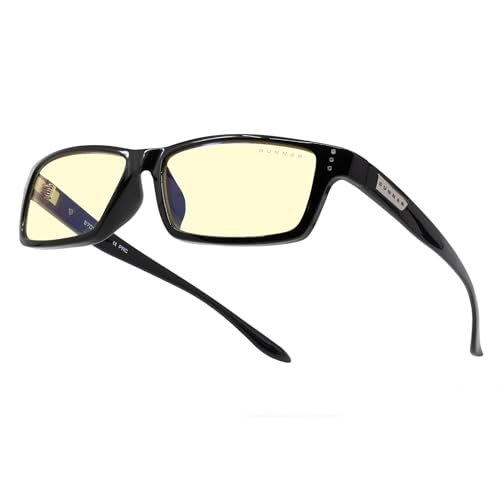
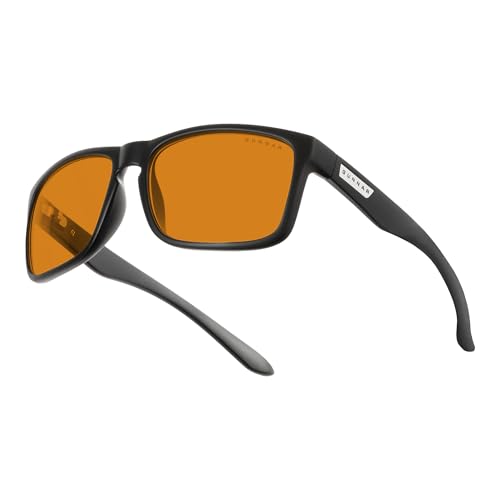
Eye strain and discomfort often follow hours in front of screens showing high-energy visible blue light. I notice symptoms like dry eyes, soreness, headaches, and blurred vision after long streaming or gaming sessions. A 2021 review in BMJ Open Ophthalmology found that 75% of digital device users reported eye strain, with blue light as a key factor. Extended screen use lowers blink rates, which increases dryness, while HEV blue light penetrates deeply into the eye, causing fatigue. I recommend blue light glasses and screen filters as practical tools for streamers to reduce exposure during long streams.
Sleep Disruption and Circadian Rhythm
Sleep disruption and altering the circadian rhythm are major health impacts from blue light, especially at night. I often remind viewers that blue light suppresses melatonin, the hormone that helps signal sleep. Research from Harvard Medical School showed that two hours of blue light exposure in the evening dropped melatonin levels by up to 23%. This disrupts natural sleep cycles, causes trouble falling asleep, or leads to restless nights. To solve this, I use night mode settings on devices, blackout curtains, and blue light glasses with strong filtering for late-night sessions to help signal to my body that it’s time to rest, not stream.
Managing Blue Light Exposure During Live Streaming
Live streaming platforms contribute to long periods of screen exposure, which means blue light concerns become more relevant for everyone involved. I always emphasize adopting targeted strategies and using available tools to keep blue light in check while live streaming or watching content.
Built-In Platform Features and Tools
Most major streaming platforms help manage blue light with native solutions. For example, Twitch, YouTube, and Facebook Gaming support system-level Night Light or Night Shift integration, which shifts color temperature toward warmer tones after sunset. I recommend activating these modes on Windows, macOS, iOS, and Android before beginning a session.
Monitor manufacturers, including ASUS and BenQ, often bundle dedicated blue light reduction settings in their device menus. I adjust these settings—Look for “Low Blue Light” or “Eye Care” options—to minimize blue light at the source.



Streaming software like OBS even supports color-grading filters or LUTs; I sometimes apply custom overlays for additional blue light reduction during live broadcasts.
Practical Tips for Streamers and Viewers
Managing blue light exposure during live streaming works best when using a combination of healthy habits and helpful accessories.
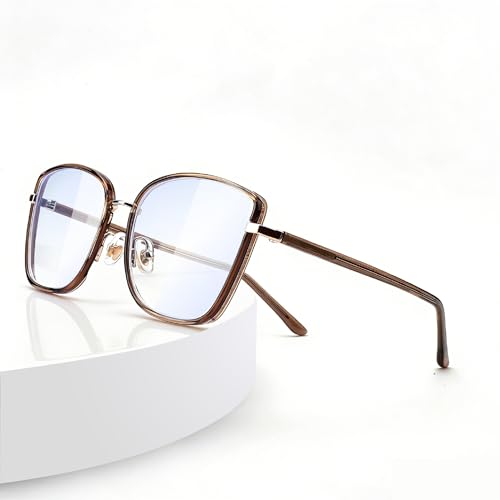
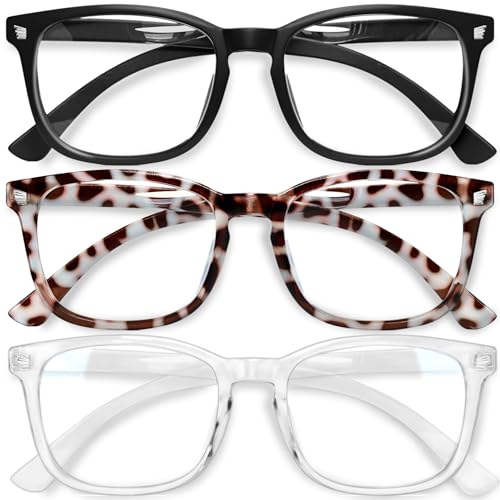
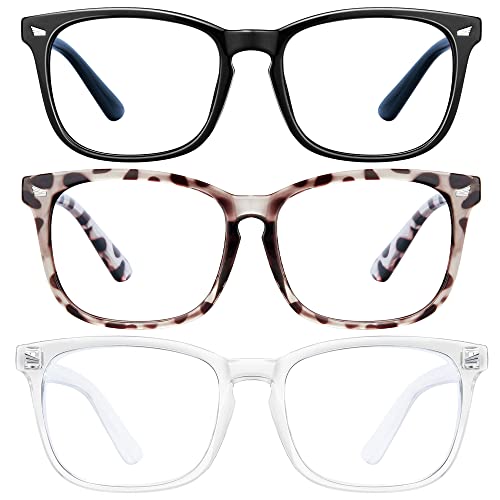
Wearing blue light blocking glasses is my go-to recommendation—I’ve seen immediate relief from soreness and dryness by using glasses rated for high blue light filtering (often 30%–90%).
Taking a 20-second break every 20 minutes to look at objects 20 feet away, known as the “20-20-20 rule,” reduces digital eye strain.
Positioning screens at arm’s length and adjusting ambient lighting, such as adding a low-wattage desk lamp, lessens glare and helps eyes adjust naturally.
Limiting streams or viewing sessions in the hour before bedtime, if possible, encourages my melatonin levels to reset, improving sleep quality.
I also suggest blackout curtains for evening streaming.
Combining these adaptive steps keeps blue light exposure under control while allowing for long, enjoyable live streaming sessions.
Future Trends in Blue Light Management on Streaming Platforms
Automated Blue Light Filters
Leading streaming platforms keep testing automated blue light reduction algorithms that adapt in real time based on ambient lighting and time of day. I see AI-driven screen temperature management already piloted on gaming monitors and dedicated streaming peripherals. Machine learning models fine-tune filter strength to balance visual clarity for both duration and brightness of the session.
Platform-Integrated Health Reminders
Streaming services such as Twitch and YouTube experiment with periodic health prompts and rest reminders during long broadcasts. I expect more platforms to offer personalized notifications that suggest blue light breaks, display time tracking, and even recommend blue light filter activation to help users maintain healthy digital habits.
Wearable Blue Light Technology
Smart glasses equipped with adjustable blue light filters integrate seamlessly with streaming setups. I’ve noticed new models allow dynamic tinting based on content type or duration of exposure. Connected apps track blue light levels in real-time and sync user data with streaming sessions, helping optimize protective settings.
Collaborative Wellness Features
Platforms experiment with wellness dashboards offering visual analytics on blue light exposure, eye strain risk, and daily screen usage. I anticipate partnerships between streaming platforms and digital wellness brands to create custom wellness toolkits that combine built-in night modes, integrated filter controls, and gamified health goals.
Content-Aware Display Adjustments
Emerging algorithms analyze on-screen content by detecting color intensity and trigger blue light reduction automatically during bright scenes or after specific thresholds. I observe that experimental software-based solutions allow overlays or visual effects that minimize blue light spikes during game transitions or changes in stream brightness.
Validation from Ongoing Research
Recent studies, like those in the Ophthalmology Times (2023), support continued development of adaptive blue light management tools on digital media platforms. I always look to verified research to inform the most effective technology adoption and streamer recommendations as new features launch.
Conclusion
As someone who loves live streaming and connecting with others online I know how easy it is to lose track of time in front of a screen. Taking a few simple steps to manage blue light can make a huge difference for my eyes and my sleep.
I’m excited to see how streaming platforms and new tech will keep evolving to help us protect our vision. With a little awareness and the right tools I can keep enjoying my favorite streams while looking out for my long-term eye health.
