
I spend a lot of time managing my finances online and I’ve noticed just how much screen time that adds up to each week. Between checking balances, paying bills, and reviewing transactions, my eyes are glued to my devices more than I’d like to admit. It’s easy to forget that those glowing screens aren’t just windows to my bank—they’re also sources of blue light.
I’ve started to wonder how this constant exposure affects not just my eyes, but my overall well-being and security. With online banking becoming a daily habit for so many of us, it’s more important than ever to pick up some smart screen habits. Let’s take a closer look at how blue light fits into the picture and what I can do to keep both my eyes and my accounts safe.
Understanding Blue Light Exposure in Online Banking
Blue light enters daily routines whenever I use screens for managing online finances. Increased time spent on devices for banking can affect both eye comfort and daily rhythms, even before noticing symptoms.
What Is Blue Light?
Blue light refers to a part of the visible light spectrum with wavelengths between 415 and 455 nanometers. This light penetrates deeper into the eye than other colors according to the American Academy of Ophthalmology. Sources include sunlight, LED lights, and digital screens—examples being smartphones, laptops, and tablets. I often see people underestimate blue light’s intensity compared to other digital risks, but research from Harvard Medical School links blue light exposure to potential eye strain and disruptions in sleep cycles.
How Online Banking Increases Screen Time
Online banking consistently raises screen exposure, especially since most financial transactions now occur through web portals or mobile apps. My experience aligns with a 2023 Statista survey, where 70% of US adults handled finances online at least once a week. Screen-based account reviews, bill payments, and security checks all add to cumulative blue light intake, increasing the possibility of digital eye strain symptoms like blurry vision or headaches. For those combining work and personal banking on the same device, daily blue light exposure rises further, compounding health concerns.
Risks Associated With Blue Light While Banking Online
Prolonged blue light exposure during online banking brings real risks. Users experience both physical discomfort and potential cognitive impacts, making safe screen habits especially important during critical tasks like financial management.
Eye Strain and Digital Fatigue
Frequent online banking increases the risk of blue light-induced eye strain and digital fatigue. I see people regularly report symptoms like dryness, blurry vision, headaches, and trouble refocusing after long sessions checking balances or paying bills. The American Optometric Association notes that over 58% of adults using digital devices for more than two hours a day experience some form of digital eye strain. Engaging repeatedly throughout the week with banking apps and websites amplifies exposure to blue light wavelengths, intensifying these symptoms. I find that using blue light glasses reduces discomfort for many users when engaging with screens for sustained periods.
Potential Security Impacts
Digital fatigue from persistent blue light exposure can lower alertness, potentially leading to mistakes during sensitive transactions. I’ve observed that cognitive fatigue impairs judgment and decision-making, which is critical when entering passwords, reviewing transactions, or reading security prompts. A lapse in concentration, even once, increases the risk of phishing, missed suspicious activity alerts, or misdirected transfers. Maintaining visual comfort through blue light management tools—like glasses or integrated screen filters—helps people stay attentive and safeguard their financial information.
Safe Screen Habits for Online Banking Users
Safe screen habits make a noticeable difference for anyone managing finances online. I always emphasize reducing blue light exposure and making digital banking safer for both the eyes and sensitive data.
Managing Blue Light Exposure
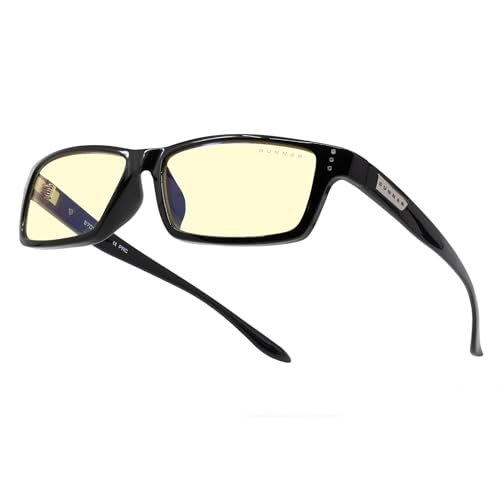
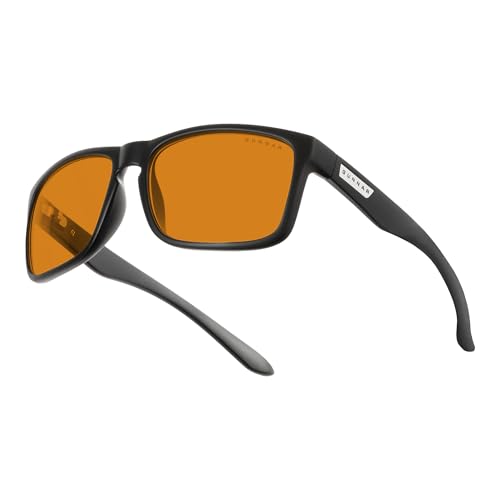
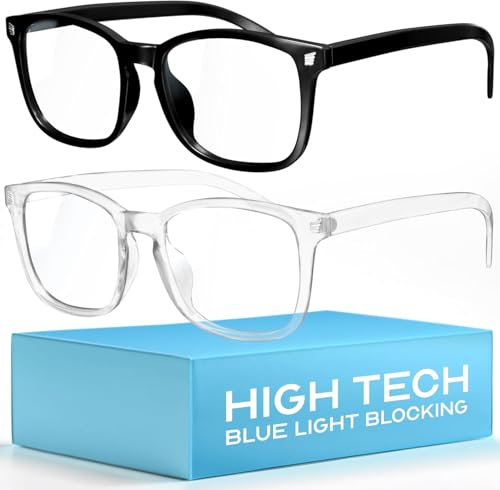
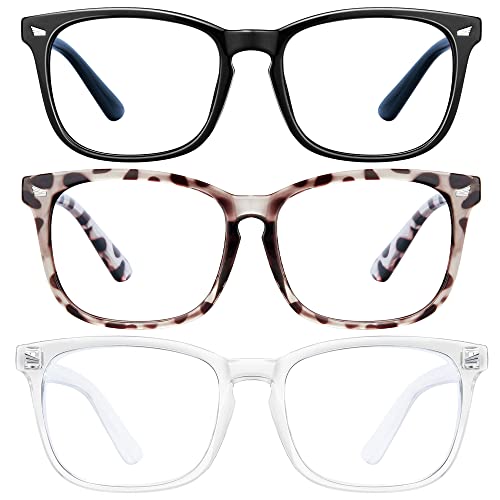
Using blue light glasses shields my eyes from intense screen glare during online banking sessions. Applying screen filter apps on laptops and smartphones enables me to adjust blue light levels based on ambient lighting or time of day. Taking breaks every 20 minutes for at least 20 seconds—focusing on something 20 feet away (the 20-20-20 rule)—prevents eyestrain and dryness. Keeping screens at arm’s length and slightly below eye level decreases direct blue light impact. Studies from the American Optometric Association found that adults who use blue light blocking technologies report reduced eye strain symptoms, especially during tasks like digital banking.




Optimizing Device Settings for Eye Health
Switching devices to “Night Shift” or “Dark Mode” reduces blue light output, particularly in the morning and evening. Lowering brightness to the minimum comfortable level avoids extra exposure while keeping accounts visible and secure. Setting larger, high-contrast fonts on banking apps or browser tools helps me avoid squinting, which further cuts down on eye fatigue. I routinely check for blue light filters in device display settings; most smartphones and laptops released after 2021 offer native blue light filtering options.
Creating a Safe Online Banking Environment
Opening financial apps in well-lit rooms minimizes the contrast strain caused by nearby darkness. Using privacy filters and physical blue light shields on my screens gives an extra layer of protection when I’m banking in public places or shared offices. Updating antivirus programs and using complex, distinct passwords for banking logins keeps accounts secure from unauthorized access. I log out and close browser tabs immediately after any transaction. These physical and digital precautions work together, making my screen time healthier and my online banking habits safer from both blue light effects and cyber threats.
Tools and Technologies for Protection
I use a mix of specialized tools and built-in features to keep blue light exposure manageable and online banking secure. These technologies improve digital well-being and add another layer of safety during financial tasks.
Blue Light Filtering Apps and Devices
I rely on blue light filtering apps and dedicated devices to reduce eye strain while banking online.
- Filtering Apps: f.lux and Night Shift adjust screen color temperature after sunset, emitting less blue light.
- Display Settings: Dark Mode and custom brightness controls on smartphones and laptops lower overall glare.
- Blue Light Glasses: Brands like Felix Gray and Gunnar produce glasses with embedded filters, offering continuous protection without altering device visuals.
- Physical Filters: Removable screen protectors like Ocushield block up to 90% of blue light, attaching easily to laptops and monitors.
Security Features in Online Banking Platforms
I check for integrated security technologies in online banking apps to guard sensitive data during screen time.




- Two-Factor Authentication (2FA): Secure logins using single-use codes, biometrics, or authentication apps, as seen in Chase and Wells Fargo systems.
- End-to-End Encryption: Encrypted communication ensures that transferred data remains private between my device and the bank.
- Session Timeouts: Automatic logouts help close inactive sessions, decreasing exposure to unauthorized access risks.
- Fraud Monitoring: Real-time alerts for unusual transactions keep me aware of possible phishing or account compromise.
| Technology/Tool | Purpose | Example/Brand | Notable Feature |
|---|---|---|---|
| Blue Light Apps | Reduce blue light | f.lux, Night Shift | Adaptive color temperature |
| Blue Light Glasses | Block blue light | Gunnar, Felix Gray | Tinted lenses, stylish frames |
| Physical Filters | Filter screen light | Ocushield | Up to 90% blue light blocked |
| 2FA | Secure login | Chase, Wells Fargo | Biometrics, SMS codes |
| Encryption | Data privacy | Encrypted apps | Strong end-to-end encryption |
| Session Timeouts | Prevent access | Most banking apps | Auto-lock after inactivity |
By integrating these tools, I strike a balance between healthy screen habits and robust financial security every time I manage accounts online.
Conclusion
Staying mindful of how I interact with screens has made a real difference in both my comfort and my confidence when banking online. By making small adjustments to my routine and using the right tools I’ve found it’s possible to protect my eyes and my financial information at the same time.
Safe screen habits aren’t just about eye health—they’re about staying sharp and secure every time I log in. With a few thoughtful changes I can keep my online banking experience both healthy and stress-free.
