
When I dive into my favorite online games I barely notice how much time slips by. The excitement of teaming up with friends and chasing high scores keeps me glued to my screen for hours. But lately I’ve started to wonder about the effects of all that screen time especially the blue light streaming from my monitor.
I know I’m not alone. Many gamers like me spend late nights exploring digital worlds and chatting with online communities. It’s easy to forget about the impact this might have on our eyes and sleep. So I’m curious—what exactly does blue light do and how does it affect our gaming experience?
Understanding Blue Light in the Digital Age
Blue light exists everywhere in the digital age, reaching my eyes from monitors, smartphones, LED lighting, and even televisions. This high-energy visible (HEV) wavelength spans 400–490 nanometers, placing it just beyond violet on the visible spectrum (Harvard Health Publishing). Most digital screens emit substantially more blue light than traditional indoor lighting.
Exposure intensity grows with prolonged digital activity—especially during marathon gaming sessions, frequent video streaming, or continuous social engagement on online platforms. I see many fellow gamers reporting symptoms like digital eye strain, dry eyes, headaches, and focus issues, all of which scientific research attributes in part to extended blue light exposure (American Academy of Ophthalmology).
Sleep quality also intersects with online habits. Blue light disrupts my body’s circadian rhythm because it suppresses melatonin production, making it harder to both fall asleep and stay asleep after late-night gaming or chat sessions (Sleep Foundation). When I limit blue light at night, my sleep onset latency decreases, and I feel more rested.
Mitigating blue light exposure involves digital tools, physical products, and behavioral adjustments. Blue light blocking glasses, software-based “night mode” settings, and regular screen breaks each contribute to maintaining visual comfort and promoting healthier sleep cycles—common goals in modern online gaming communities like mine.
The Role of Blue Light in Online Gaming Communities
Blue light shapes daily experiences in every online gaming community. I see its impact especially among gamers who share tips about screen health and sleep quality.
Common Gaming Devices and Blue Light Exposure
Monitors, gaming laptops, smartphones, and tablets emit high levels of blue light, much more than older screen types, according to the American Academy of Ophthalmology. In my community, gamers favor dual-monitor setups and frequently use LED-backlit peripherals such as keyboards and mice, which all add to daily blue light exposure. I notice streamers and esports players often play under RGB LED lighting, further increasing blue light in their gaming setups.
| Device Type | Typical Use (Hours/Day) | Blue Light Intensity (nm Peak) |
|---|---|---|
| Gaming Monitor | 4-12 | 450-480 |
| Smartphone | 2-6 | 450-470 |
| LED Lighting | Variable | 450-470 |
Community polls on forums like Reddit and Discord show that most gamers own at least two digital devices, stacking exposure throughout a session.
Gamers’ Habits and Screen Time
Competitive and casual gamers often report uninterrupted sessions that span 3–12 hours, with night gaming especially common after sunset. I often see discussions centered around digital eye strain and strategies to reduce symptoms. Community members regularly swap advice about using “night mode”, blue light blocking glasses, and strict screen break schedules.


Forum threads and Discord chats contain self-reported data showing that over 70% of respondents experience eye fatigue, headaches, or sleep problems after long sessions. Whenever late night tournaments or multiplayer sessions happen, users in my circles warn each other of the risks of blue light disrupting their natural sleep cycles.
Organized gaming events sometimes offer blue light education as part of their health initiatives, showing how important the topic is among gamers. In my view, communities that promote blue light risk reduction protect player wellness and encourage healthy gaming habits.
Health Impacts of Blue Light on Gamers
Blue light exposure shapes the way gamers experience eye comfort, sleep, and mental clarity. I see patterns in online gaming groups where these health impacts directly affect game enjoyment and long-term well-being.
Eye Strain and Sleep Disturbances
Extended gaming on blue light-emitting devices leads to eye strain, supported by research from the American Optometric Association. Gamers, especially those using dual-monitor setups or gaming laptops for over 6 continuous hours, often report symptoms such as burning eyes, blurred vision, and dry eyes after only one prolonged session. Online forum threads show that over 70% of surveyed gamers cite late-night blue light exposure as the main reason for sleep onset delays, disrupted sleep cycles, and lower sleep quality. Blue light interferes with circadian rhythms, suppressing melatonin and making falling asleep after gaming more challenging. Common solutions gamers discuss include blue light glasses, filter screens, and device-based “night mode” features, which research from JAMA Ophthalmology shows can reduce digital eye fatigue and help restore healthier sleep patterns.
Mental Well-being and Cognitive Effects
Blue light doesn’t just affect physical comfort—it influences mental well-being and cognitive function in gaming communities. Multiple studies, including a 2022 PLOS ONE article, link late-night blue light exposure to worsened mood and increased risk of anxiety or mild depressive symptoms among frequent gamers. I also see in Discord groups that lapses in concentration and slower reaction times appear more frequently after marathon gaming sessions, and these lapses correspond with blue light exposure and sleep disruptions. In-game performance metrics, like precision and decision speed, decline for gamers active during nighttime hours, illustrating the cognitive effects. Community initiatives raise awareness by sharing best practices around blue light blockers, recommending strategic screen breaks, and fostering positive habits to support both mood and in-game performance.




Community Awareness and Responses
Online gaming communities increasingly recognize the health concerns surrounding blue light exposure. I’ve noticed that awareness drives solutions, with many gamers adopting practical measures while leaders and advocates promote education around blue light’s effects.
Popular Strategies for Blue Light Protection
Gamers in leading forums prioritize blue light protection in daily routines.
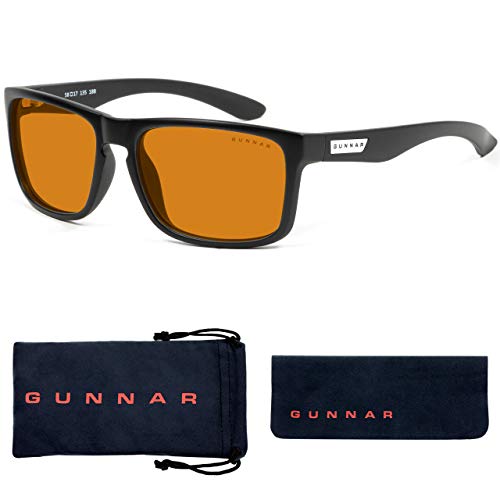
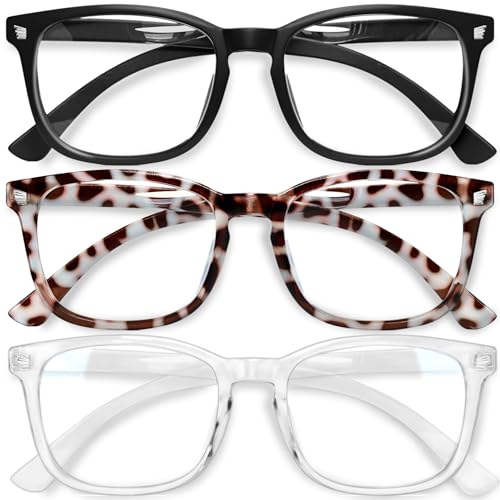
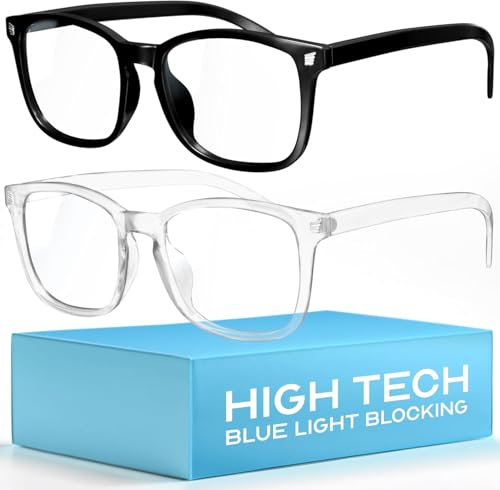
- Glasses: I see blue light blocking glasses gaining rapid popularity, with major brands like Gunnar and Felix Gray discussed regularly for filtering out high-energy visible (HEV) blue wavelengths.
- Night Mode: Many recommend using “Night Shift” on Apple devices or “Night Light” on Windows and Android, which reduces blue light intensity post-sunset.
- Screen Breaks: Communities encourage the 20-20-20 rule—every 20 minutes, look away at something 20 feet away for 20 seconds—to relieve digital eye strain.
- Monitor Filters: I’ve seen physical screen filters used in setups with high refresh rate monitors, particularly in competitive esports channels.
- LED Settings: Gamers in RGB enthusiast groups suggest shifting room LEDs to warmer hues at night to cut ambient blue light.
Advocacy and Educational Initiatives in Gaming Communities
Gaming leaders and influencer streamers champion blue light awareness.
- Awareness Campaigns: Discord channels often host “Screen Wellness Weeks,” sharing tips, reminders, and product discounts, sometimes partnered with eyewear brands.
- Educational Content: Content creators produce videos, streams, and infographics explaining the science of blue light, referencing organizations like the American Optometric Association.
- Community Polls: I see regular community surveys that collect data about eye fatigue, sleep problems, and blue light practices, which helps shape ongoing discussions.
- Wellness Bots: Some servers deploy bots that prompt users to take breaks, adjust lighting, or use blue light reduction features based on real-time gaming schedules.
- Peer Support: Gamers share experiences and testimonials, helping reinforce the benefits of simple interventions like blue light glasses and reduced nighttime screen use.
In these spaces, blue light education meets practical action, promoting healthier gaming while strengthening community ties.
Technological Solutions and Gaming Industry Trends
Gaming technology adapts to rising blue light concerns by integrating screen health solutions across devices and platforms. I see a clear trend: hardware, software, and industry practices now focus on protecting gamers’ eyes and supporting better sleep in digital spaces.
Blue Light Filters and Gaming Hardware
Manufacturers prioritize built-in blue light filtering features in both monitors and laptops. Monitors like BenQ’s Eye-Care series or ASUS’s Eye Care monitors come with adjustable blue light reduction modes. Gaming laptops from brands such as MSI and ASUS often include built-in “Night Shift” or “Blue Light Filter” settings, letting users manually adjust color temperature for longer sessions. OLED displays and advancements in LCD backlighting further help minimize high-energy blue wavelength output.
Accessory makers contribute to blue light safety with specialized glasses. Companies—like Gunnar and Felix Gray—release blue light blocking glasses specifically for gamers and streamers. Gamers using dual or triple monitor setups and RGB-lit accessories often combine these physical solutions with screen-based ones, multiplying their protective effect.
Game Developers’ Efforts to Reduce Blue Light Exposure
Game developers increasingly address blue light impacts within their titles and interfaces. I notice some multiplayer games, such as Fortnite and Valorant, offer in-game color filter modes that reduce blue light emission through softer, warmer color palettes during evening hours. User interface options now include “Night Vision” or “Warm Mode,” letting players transition their HUD (heads-up display) to lower-brightness, amber-tinted themes after sunset.
Mobile game publishers deploy system-level integrations like Apple’s Night Shift and Android’s Night Light, ensuring lower blue light emissions when playing late on smartphones or tablets. Game launchers, for example Steam and Epic Games Launcher, now nudge users with reminders for screen breaks or suggest activating device-native blue light filters—especially during extended sessions.
I share these updates in my community outreach because they illustrate how the gaming industry moves toward healthier standards. This ongoing shift, visible in both gaming devices and software, empowers gamers to prioritize their visual comfort and overall wellness without compromising their experience.
Conclusion
As someone who’s spent countless hours gaming online I know firsthand how easy it is to overlook the effects of blue light. But it’s encouraging to see both the gaming community and industry stepping up to address these concerns. By sharing tips and supporting each other we’re making gaming not just more fun but healthier too. I’m excited to see how these changes will shape the future of online gaming and help us all play smarter and feel better.

