
When I think about how much time I spend in front of screens these days it’s a little shocking. From work meetings to catching up with friends and even therapy sessions almost everything happens online now. With the rise of online therapy platforms it’s never been easier to get support right from my living room.
But I’ve started to wonder about the effects of all this screen time especially the blue light that comes with it. I know blue light can mess with my sleep and leave my eyes feeling tired. So how does it fit into the world of online therapy and what should I really be concerned about?
Understanding Blue Light and Its Effects
I often talk about blue light because it directly affects how we experience digital platforms, including online therapy. My interest in blue light stems from the science linking it to eye strain and mental well-being.
What Is Blue Light?
Blue light refers to a high-energy, short-wavelength part of the visible light spectrum ranging from 400-490 nanometers. Screens on devices like laptops, smartphones, and tablets emit significant amounts of blue light, with LED-backlit displays contributing most. I use blue light measurement devices to demonstrate this spectrum difference compared to natural light or older screen technologies.
Impact of Blue Light on Mental Health
Research links blue light exposure at night to circadian rhythm disruption, which makes falling asleep harder (Harvard Health, 2020). I’ve noticed clients in digital therapy settings often report difficulty unwinding after evening sessions. Studies document that extended blue light exposure contributes to digital eye strain, higher stress levels, and even low mood in sensitive groups. I stress the importance of blue light glasses and screen filters for individuals using online therapy platforms, especially for those struggling with sleep and mental fatigue.
Rise of Online Therapy Platforms
Online therapy platforms now play a central role in mental health care, connecting people to therapists without leaving screens. I see this shift raising unique blue light challenges for users spending long hours in front of digital devices.
Growth of Digital Mental Health Services
Digital mental health services now reach millions, addressing barriers that once kept people from therapy. Data from the American Psychological Association shows a 120% increase between 2019 and 2023 in people using online therapy platforms like BetterHelp, Talkspace, and Amwell. Pandemic restrictions propelled this growth, but I’ve noticed convenience and privacy keep demand high. These services let people access care in rural areas, a trend I connect with more sustained device exposure and blue light risks.
How Online Platforms Operate
Online therapy platforms deliver sessions over secure video calls, in-app messaging, or audio chats. Clients use screens for intake forms, appointments, and ongoing support. Most platforms operate 24/7, multiplying the hours people spend in blue light-rich environments. As a blue light expert, I observe that evening sessions often increase digital eye strain. Notifications, reminders, and digital resources add more screen time beyond therapy itself, intensifying blue light exposure and its impact. For anyone using these platforms, especially at night, wearing blue light glasses or installing screen filters directly addresses the risks I see with prolonged digital therapy use.
Blue Light Exposure in Online Therapy Sessions
Online therapy platforms increase daily exposure to blue light by relying on digital screens for communication. I see more clients spending long hours in front of devices, which raises specific health concerns related to mental health care contexts.
Screen Time and Client Wellbeing
Blue light exposure intensifies during online therapy sessions since clients engage with screens for video meetings, messaging, and accessing therapy resources. I’ve observed that extended sessions—especially in the evening—contribute to complaints about eye discomfort, headaches, and delayed sleep onset. When clients have back-to-back virtual appointments or combine online therapy with remote work, these effects amplify. Studies, such as those from the American Optometric Association, link digital eye strain and disrupted circadian rhythms to screen time exceeding 2 hours without breaks. Clients facing anxiety or insomnia risk heightened symptoms if evening sessions boost blue light exposure, especially without using blue light glasses or screen filtering tools.



Therapist and Client Experiences
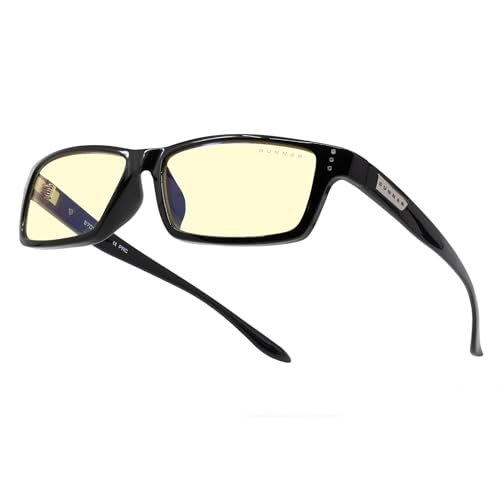
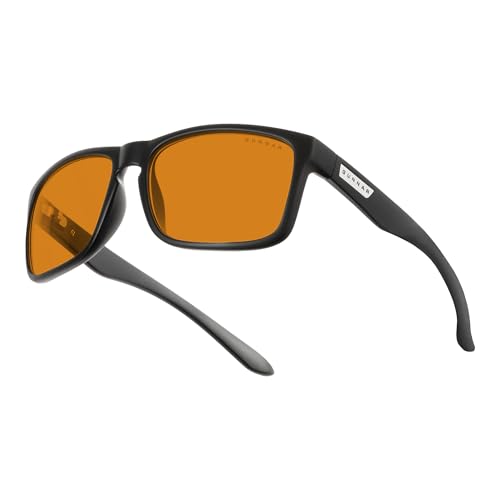
Therapists and clients describe digital fatigue as a shared challenge in online sessions. I’ve heard reports of trouble focusing, eye irritation, and difficulty transitioning to restful states after late-night appointments. Feedback from online therapy users often mentions feeling more drained after virtual sessions compared to in-person meetings, with interrupted sleep frequently cited as a primary issue. Many therapists and clients now rely on technology solutions—such as blue light blocking glasses, computer display adjustments, and scheduled device breaks—to reduce risk. For example, using blue light glasses during evening therapy limits exposure and helps maintain client alertness and comfort. I consistently recommend environmental and behavioral adaptations so online therapy remains accessible without compromising health.
Mitigating Blue Light Effects on Online Therapy Platforms
Mitigating blue light exposure on online therapy platforms supports eye comfort and better sleep. I explore practical strategies for users and highlight how these platforms introduce tech-driven solutions for healthier digital sessions.
Practical Tips for Users
Adopting user-friendly steps helps minimize blue light impact during therapy:
- Wearing blue light glasses reduces exposure to high-energy visible light, filtering wavelengths between 415 nm and 455 nm, based on findings from the American Academy of Ophthalmology.
- Adjusting device settings lowers blue light output—enabling night modes or lowering screen brightness after 7 p.m. eases strain, especially during evening appointments.
- Taking scheduled breaks every 20 minutes for 20 seconds to focus on an object 20 feet away, known as the “20-20-20 rule”, reduces digital eye strain, as recommended by the American Optometric Association.
- Using physical screen filters on laptops and tablets blocks significant portions (up to 60%) of blue light, which helps clients dealing with late-day fatigue.
- Choosing therapy times earlier in the day can maintain better circadian alignment and improve sleep quality after sessions.
Platform-led Solutions and Innovations
Online therapy platforms have started integrating features to address blue light concerns:
- Built-in dark mode and warm color themes, available on platforms like BetterHelp and Talkspace, shift display colors to reduce blue light output during sessions.
- Automated reminders prompt users to take breaks during long appointments or to adjust device brightness, easing the load on eyes for both clients and therapists.
- Partnerships with blue light glasses companies offer users discounts or information on protective eyewear directly within the therapy app interface.
- Resource libraries feature research-based guidance on blue light awareness, sleep hygiene, and eye health, supporting both new and seasoned users.
- Customizable notification controls let users minimize unnecessary pop-ups, reducing cumulative screen stress and blue light exposure during sensitive mental health activities.
Optimizing both user behaviors and platform features ensures online therapy remains accessible while supporting digital wellness.



Future Directions and Considerations
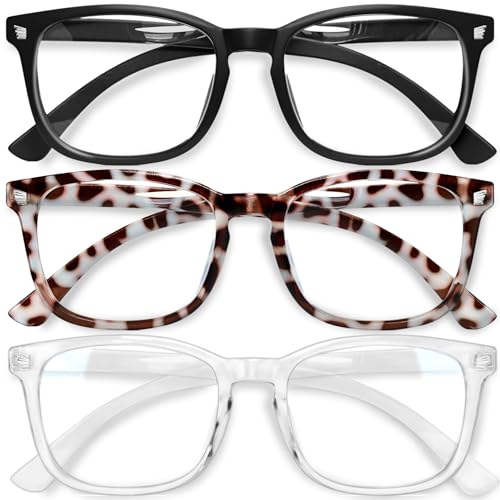
Innovations in blue light protection keep evolving in the online therapy space. I see online therapy platforms testing new features like adaptive lighting, which matches screen brightness and color temperature to the user’s environment. More platforms have started integrating built-in blue light filters and customizable dark modes directly within therapy apps, making it easier for users to manage digital eye strain.
Research on long-term blue light exposure from therapy sessions still remains limited. I expect clinical studies to explore how chronic blue light affects mood and circadian rhythm specifically in high-frequency users of online therapy. These findings could drive changes in platform design and industry recommendations.
Expansion into connected devices and wearables may lead to real-time blue light exposure tracking for therapy clients. Smart glasses with sensors that measure ambient light have entered the consumer market, and collaboration with therapy platforms could help users optimize their environments during sessions.
Education around blue light’s health effects continues to lag. I’ve noticed a gap in awareness among both therapists and users. Future efforts may prioritize training therapists to guide clients in digital wellness habits, including regular use of blue light glasses, environmental adjustments, and scheduled device breaks.
Regulation and certification could shape product safety and transparency. Certification programs for blue light glasses now focus on transmission levels and evidence-based claims. I expect standards for online therapy platforms to emphasize integrated blue light tools and wellness data privacy.
Partnerships between therapy platforms, optometrists, and digital wellness providers have begun driving holistic solutions that combine technical and behavioral interventions. Look for more collaboration around evidence-based recommendations, bundled device solutions, and user education campaigns that address specific needs in online therapy.
| Future Direction | Example Solutions | Impact on Blue Light Wellness |
|---|---|---|
| Adaptive Lighting Features | Color-shifting displays | Reduces time spent under harsh blue light |
| Wearable Blue Light Trackers | Smart glasses, apps | Real-time recommendations |
| Integrated Platform Blue Light Filters | App dark modes, filter toggles | Immediate user protection |
| Therapist Digital Wellness Training | Certification, workshops | Improved client habits |
| Standards & Certification for Products | Verified lenses, app audits | Clearer consumer guidance |
Conclusion
As I navigate the world of online therapy I’m reminded that digital convenience comes with its own set of challenges. Balancing the benefits of virtual care with mindful screen habits feels more important than ever.
I’m hopeful that ongoing innovation and greater awareness will help both therapists and clients protect their well-being. By making small changes and staying curious about new solutions we can all enjoy the advantages of online therapy without sacrificing our health.
