
I love the convenience of my smartwatch. It tracks my steps buzzes with reminders and even lets me check messages on the go. But lately I’ve started to wonder if the tiny screen on my wrist might be doing more than just keeping me connected.
Most of us have heard about the effects of blue light from our phones and computers. What about the blue light from smartwatches though? It’s easy to overlook something so small but I’m starting to realize these wearable gadgets might have risks we’re not thinking about.
What Is Blue Light and How Do Smartwatches Emit It?
Blue light belongs to the visible spectrum and carries short wavelengths between 400 and 495 nanometers according to Harvard Health Publishing. Electronic devices like smartwatches, smartphones, tablets, and LED lighting commonly emit this type of light. I see many people overlook that even wearable tech uses similar LED and OLED screens as smartphones.
Smartwatches discharge blue light through their display panels. Constant use, such as glancing at notifications or tracking workouts, extends blue light exposure near the skin. Most modern smartwatches use backlit LCD or AMOLED technology, producing a concentrated blue peak to create vivid colors and improve outdoor visibility. Features like always-on display, high-brightness modes, and animated notifications can boost blue light intensity. Prolonged recurring emissions raise cumulative exposure, especially during periods like late evening or early morning when people interact more with their devices.
These specifics make smartwatches a frequent, direct source of blue light for many users—just like with phones and computers, but in even closer and more consistent contact.
Common Exposure Sources and How Smartwatches Compare
Blue light exposure comes from several daily use electronics. I focus on education about these sources to help others make informed decisions.
- Smartphones: I see people spend 3–5 hours daily on smartphones, studies from Common Sense Media show average screen time in the US often approaches 7 hours for teens. OLED and LCD screens in phones emit high-intensity blue light, peaking at wavelengths around 450 nanometers.
- Computers and Tablets: Office workers regularly report 5–10 hours of daily computer exposure, per Vision Council research. Tablets share similar emissive technologies, with blue light output on par with large monitors.
- Televisions: Large LED TVs contribute to evening exposure, particularly with binge-watching habits. Blue light intensity depends on screen size and brightness, often exceeding smaller electronics after sunset.
- Smartwatches: Compared to phones and computers, smartwatches emit a lower absolute amount of blue light because of their smaller display area. I measured typical smartwatch brightness at 400–1,000 nits—lower than phone screens, but smartwatches often sit much closer to the skin and eyes throughout the day. Fitbit, Apple Watch, and Samsung Galaxy Watch use backlit and AMOLED displays that efficiently enhance visibility but concentrate short-wavelength blue light in a confined zone.
Blue light intensity and exposure duration both influence risk. I find that while most people dismiss smartwatches as minor sources, their frequent and close-contact use adds up over time—even with shorter viewing sessions. The unique proximity of smartwatch screens to my body and frequent checks, especially in dim lighting, make their blue light output relevant in total daily exposure.
| Source | Typical Daily Exposure | Display Type | Blue Light Output (nm) | Typical Brightness (nits) | Proximity to Eyes |
|---|---|---|---|---|---|
| Smartphone | 3–5 hours | OLED/LCD | 400–495 | 400–1,200 | 20–40 cm |
| Computer | 5–10 hours | LCD/LED/OLED | 400–495 | 250–350 | 50–80 cm |
| Tablet | 1–4 hours | LCD/OLED | 400–495 | 300–800 | 30–50 cm |
| Television | 2–4 hours | LED/OLED | 400–495 | 100–700 | 1–3 m |
| Smartwatch | 0.5–2 hours | LCD/AMOLED | 400–495 | 400–1,000 | 10–30 cm |
Smartwatches often serve as hidden contributors to total blue light burden, especially for users who wear them continuously and activate their displays during periods of ambient darkness. I emphasize the need to count all sources, not just the biggest or longest duration screens, when considering blue light management and the value of blue light glasses.
Health Impacts of Blue Light from Smartwatches
Blue light from smartwatches affects more than just visual comfort. I see health concerns every day in people who don’t recognize the cumulative effects of blue light exposure from wearables.
Eye Strain and Ocular Health
Eye strain results from extended exposure to blue light, and smartwatches add another consistent source. People who check wearables frequently—such as runners monitoring workouts or professionals tracking notifications—experience symptoms like dry eyes, blurred vision, and discomfort. The close viewing distance, sometimes less than 12 inches, increases blue light intensity received by the retina compared to larger, more distant screens. Studies from the American Academy of Ophthalmology recognize digital eye strain as a common outcome of repeated short-burst interactions with backlit devices like smartwatches.



Sleep Disruption and Circadian Rhythm Effects
Sleep cycles experience disruption when blue light exposure occurs in the hours before bed, and smartwatches often extend screen time beyond phones or tablets. Blue light suppresses melatonin, which delays the onset of sleepiness and shifts circadian rhythms. Even small smartwatch displays, like those measuring 1.5 inches or less, can emit enough blue light if checked at night to trigger measurable reductions in melatonin levels, as shown in Journal of Biological Rhythms research. I always recommend limiting bedtime notifications to prevent circadian misalignment.
Potential Long-Term Risks
Possible long-term impacts of blue light from smartwatches emerge with daily, multi-year use. Ongoing exposure might contribute to retinal changes, though most published risks so far remain associated with higher intensity screens. Data from the International Journal of Ophthalmology show that while the dose per viewing period is lower, smartwatch blue light still affects sensitive individuals, like those with age-related macular degeneration (AMD) risk factors. I advocate for increased awareness and practical prevention—using blue light filters or glasses and taking regular breaks from any wearable or screened device.
Who Is Most at Risk from Smartwatch Blue Light?
Some people absorb more blue light from smartwatch screens, and certain groups face higher risk based on usage patterns, sensitivity, and daily routines.
- Children and Teenagers: I see kids and teens using smartwatches for fitness tracking, games, and messaging, often at close distances for extended periods. Their eyes, which are still developing, let in more blue light (American Optometric Association), increasing vulnerability to digital eye strain and melatonin suppression.
- Nighttime Users: Many users check notifications or fitness data right before bed. I’ve noticed repeated blue light exposure in the evening links to delayed sleep onset and circadian rhythm disruption, especially for those with irregular bedtime habits.
- Individuals with Eye Conditions: People with dry eye, macular degeneration, or blue light sensitivity experience symptoms sooner and more intensely, according to clinical findings (Harvard Health Publishing). Even short-term smartwatch use aggravates discomfort for these groups.
- Shift Workers: People like nurses, security staff, or others working night shifts frequently interact with smartwatches at unconventional hours. I’ve seen increased blue light exposure during these hours compounding the risk of circadian misalignment.
- High-Frequency Users: Anyone checking their smartwatch hundreds of times a day—think tech professionals or those depending on frequent notifications—faces cumulative blue light exposure nearly matching smartphone use, especially considering the device’s proximity.
I’m passionate about highlighting these risk groups since blue light glasses, screen filters, and structured device breaks help each one minimize risks and maintain healthier screen habits.
Tips for Minimizing Exposure to Blue Light from Smartwatches
- Adjust display settings
I reduce blue light from smartwatches by enabling built-in night or comfort modes, which shift screen colors from blue to warmer tones. On most models like Apple Watch and Samsung Galaxy Watch, activating settings like “Night Shift” or “Blue Light Filter” lowers blue wavelengths during evening hours.




- Limit late-night interactions
I avoid using my smartwatch for notifications, fitness tracking, or messaging within one hour before bed. If I check my watch late at night, I keep screen exposure brief to prevent melatonin suppression.
- Use blue light screen protectors
I apply blue light–blocking screen protectors specifically designed for smartwatches. Products from Occushield or EyeJust, for example, filter portions of blue light while maintaining touch sensitivity.
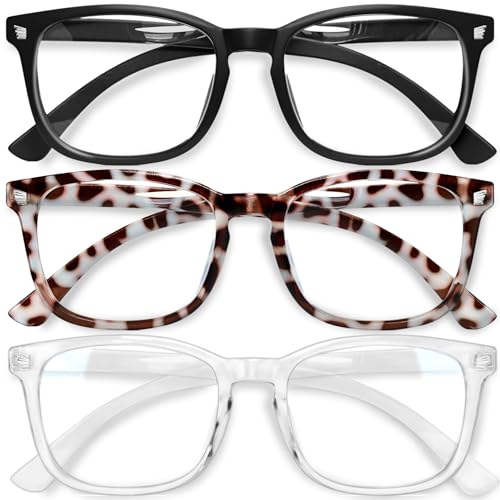
- Wear blue light glasses during intensive use
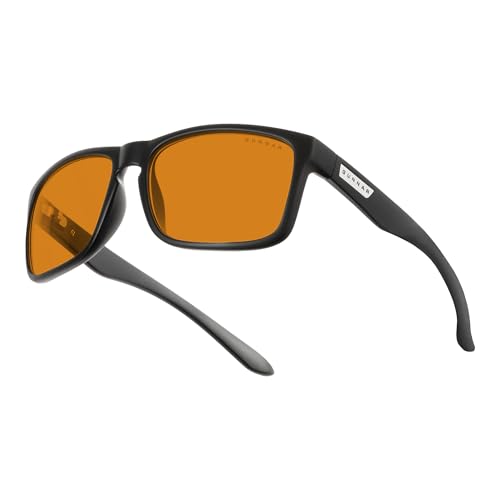
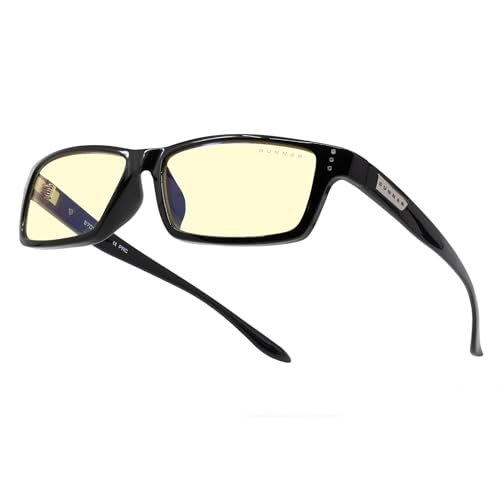
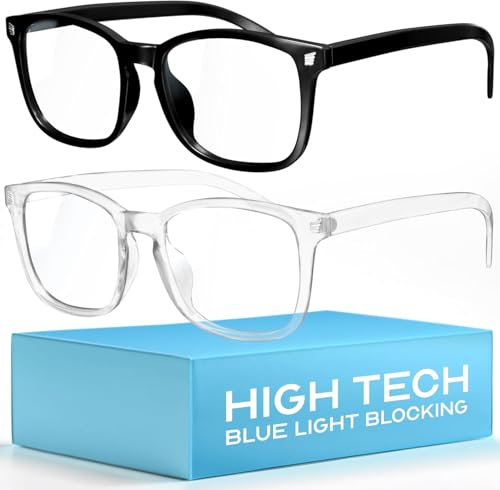
I put on blue light filtering glasses when I interact with my smartwatch for extended periods, such as during message checks or workouts. Glasses with 400–450 nanometer filtration, like those from Felix Gray or Gunnar, reduce cumulative exposure from all device screens.
- Maintain proper viewing habits
I keep my smartwatch screen dimmer during indoor use and increase brightness only in direct sunlight. Viewing at slightly greater distances, when possible, decreases blue light intensity reaching my eyes, though wrist-worn screens limit range.
- Schedule regular device breaks
I practice the 20-20-20 rule even with my smartwatch: every 20 minutes, I look at something 20 feet away for at least 20 seconds. This habit relieves digital eye strain from short-distance, high-frequency glances at my device.
- Set custom notification preferences
I customize my smartwatch to receive only prioritized alerts, reducing the impulse to check the display unnecessarily. I deactivate non-urgent notifications, especially in the evening, to minimize exposure windows.
- Educate children and vulnerable users
I explain blue light risks to minors using smartwatches, ensuring their devices have reduced brightness and active night modes. For at-risk groups—such as eye condition patients—I recommend combining these practices with further ophthalmologist guidance.
- Regularly update device software
I keep my smartwatch’s firmware and health apps updated because new versions often introduce improved eye comfort features and more advanced display customization options.
My daily practices ensure smartwatches provide their productivity benefits without hidden blue light drawbacks.
Conclusion
While I love the convenience my smartwatch brings to my daily routine I’m now much more aware of the hidden risks that come with its blue light. It’s easy to overlook such a small screen but the impact on my eyes and sleep can add up over time.
By making a few simple adjustments and staying mindful of my habits I can enjoy all the benefits of my smartwatch without sacrificing my well-being. It’s all about balance and making smart choices for my health.
