
Staring at screens all day can leave my eyes feeling tired and strained. With so many of us glued to our devices for work and play it’s no wonder blue light glasses have become a hot topic. I’ve noticed more friends and coworkers sporting these specs and I started to wonder if there’s a real difference between the clear and yellow-tinted lenses.
Choosing the right pair can feel confusing with so many options out there. I want to understand how each type works and which one might actually help protect my eyes—and maybe even help me sleep better at night. Let’s break down what sets clear and yellow-tinted blue light glasses apart and figure out which might be the best fit for our digital lives.
What Are Blue Light Glasses?
Blue light glasses are eyewear designed to filter specific wavelengths in the blue-violet spectrum emitted by digital screens. I use these glasses daily to minimize exposure to artificial blue light from devices like smartphones, computers, and LED lighting. Research from the American Optometric Association and Harvard Medical School links blue light exposure to digital eye strain, headaches, and possible sleep disruptions.
Manufacturers coat blue light glasses with specialized filters that manage the amount and range of blue light reaching the eyes. These coatings target the 400–500 nanometer wavelength range, which studies identify as a major contributor to visual discomfort and circadian rhythm interference. I recommend blue light glasses for those spending 2+ hours daily on digital screens—for example, office workers or gamers—since symptoms like eyestrain, dry eyes, and fatigue appear most often in these populations.
Two primary lens colors appear in blue light glasses: clear and yellow-tinted. Clear lenses provide subtle attenuation, while yellow-tinted lenses block a higher percentage of blue light, making them popular for nighttime use to support natural sleep patterns. I often see friends choose their lens type based on their specific screen habits and sensitivity levels, highlighting the importance of selecting the right option for your needs.
How Blue Light Affects Eye Health
Blue light exposure directly impacts eye health by contributing to digital eye strain, disrupting natural sleep cycles, and possibly affecting long-term retinal function. Studies from the American Academy of Ophthalmology report that frequent digital device use often leads to symptoms like dryness, blurred vision, and headaches. I observe these symptoms almost daily in people who spend over two hours in front of screens. For example, office workers and gamers commonly describe eye fatigue and discomfort after extended screen sessions.
Digital eye strain develops when blue light from tablets, smartphones, or computers triggers visual discomfort. Core symptoms include burning sensations, watery or dry eyes, and loss of focus. My research shows that blue light intensifies these symptoms by scattering more within the eye, increasing glare and making it harder for eyes to maintain a sharp image.
Blue light also influences melatonin production, a hormone that regulates sleep. Screens emit high-energy visible (HEV) blue light, particularly in the 400–500 nm range. Exposure in the evening hours suppresses melatonin secretion, which can delay sleep onset and reduce sleep quality, as evidenced by studies published in Sleep Health and PLOS One. Clients often mention trouble falling asleep after late-night device use, a common pattern I’ve documented over time.
Laboratory research, such as work published in Scientific Reports (2018), has explored the potential for cumulative blue light exposure to accelerate retinal cell damage, although the effects observed aren’t yet replicated in real-world settings. Nevertheless, I recommend limiting extended screen time or adding optical protection, since early intervention supports long-term comfort.
My experience consistently reveals that good screen hygiene, combined with effective blue light filtering, reduces symptoms and supports natural circadian rhythms. By understanding how blue light impacts eye health, targeted solutions like specialized lenses become much more valuable in everyday digital routines.


Comparing Clear and Yellow-Tinted Lenses
I compare clear and yellow-tinted blue light lenses by focusing on how each filters blue wavelengths and fits different lifestyles. Both lens types target screen-induced eye strain, but their filtering approaches and visual impact differ noticeably.
Key Differences in Lens Technology
Clear blue light lenses use coatings that selectively reflect or absorb part of the 400–500 nm range, filtering out about 10%–30% of blue light, as seen in most designer frames. Example brands include Warby Parker and Felix Gray. This mild attenuation helps lower glare and discomfort from prolonged daytime device use while keeping colors as true as possible.
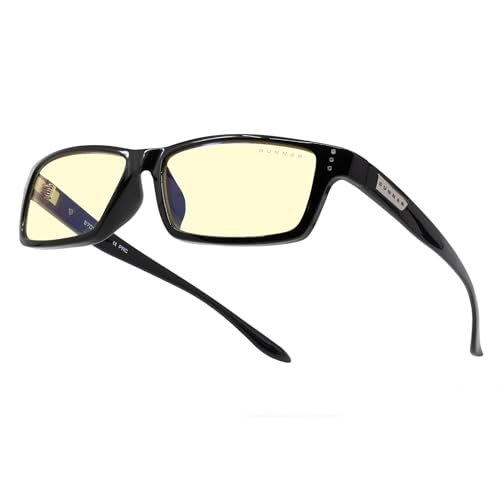
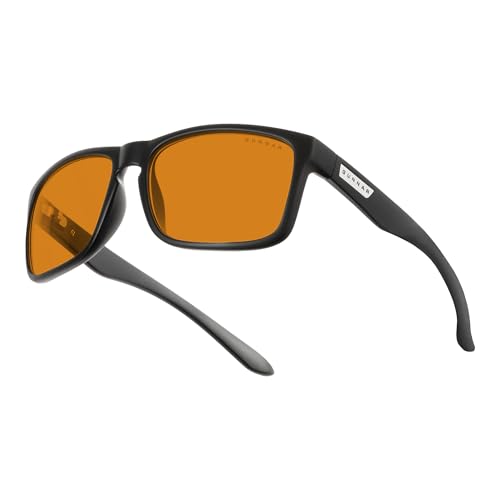
Yellow-tinted lenses incorporate pigmented filters that absorb a larger portion of blue-violet wavelengths, often blocking up to 60% or more of blue light, according to manufacturers like Swanwick and Gunnar. These filters stand out for nighttime use, especially when I want to counteract glare or support natural melatonin production before sleep. The deeper tint, though, sometimes alters overall color perception and contrast.
Appearance and Style Considerations
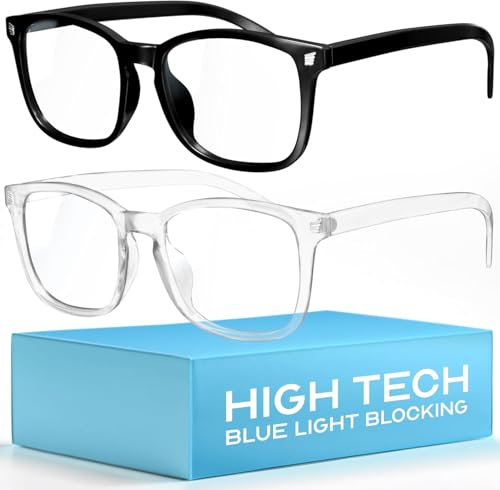
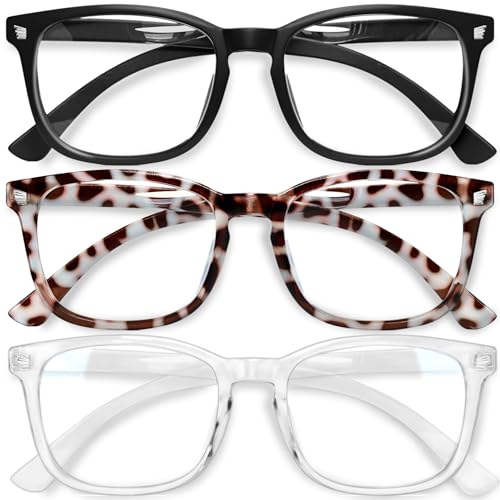
Clear blue light glasses resemble regular prescription or fashion eyewear, which appeals to me when I want a professional or understated look at work, during meetings, or on video calls. Reflective coatings might create subtle bluish or purplish flashes under direct lighting, adding a faint modern accent.
Yellow-tinted lenses display a noticeable amber or golden hue, which provides a bolder, sportier vibe. People spot them easily, so they’re popular with gamers, night-shift workers, or those prioritizing eye health over subtlety. The tint changes the appearance of digital displays, adjusting whites and some colors—a factor I take into account, especially for activities involving color matching or graphic design.




Effectiveness of Clear Blue Light Glasses
Clear blue light glasses filter a moderate percentage of blue-violet wavelengths from screens, typically blocking 10%–30% in the 400–500 nanometer range. I see clear lenses most often in professional environments, where accurate color representation matters for tasks like graphic design or video editing. By filtering a smaller fraction of blue light, clear lenses preserve natural colors on screens while reducing glare and visual discomfort. Studies, such as the 2017 review in Ophthalmic and Physiological Optics, report that clear-coated lenses lower digital eye strain symptoms—including dryness, headaches, and blurry vision—during daytime screen use.
I recommend clear blue light glasses to users who experience mild to moderate digital eye strain from long hours at their computers. Many experience fewer symptoms after wearing clear lenses consistently for activities like office work, video calls, or reading. By filtering only a portion of blue light, these lenses minimize image distortion and make screen content appear crisp and true-to-life. I find clear blue light glasses suitable for maintaining all-day comfort, especially for those who don’t want to interfere with color accuracy or draw attention to their eyewear.
Benefits and Drawbacks of Yellow-Tinted Lenses
Yellow-tinted lenses deliver a pronounced blue light filtering effect, often blocking 60%–90% of blue wavelengths within the 400–500 nm range. I notice a significant reduction in digital eye strain when I use these lenses during late screen sessions. Many scientific studies, including those from the American Academy of Ophthalmology, demonstrate that yellow-tinted blue light glasses enhance contrast and visual sharpness, especially in dim lighting. My own experience aligns with research showing improved nighttime comfort, since these lenses help preserve natural melatonin cycles and support healthy sleep patterns for people who view screens after sunset.
Color distortion remains the primary drawback with yellow-tinted lenses. Color-sensitive tasks—like graphic design or photo editing—feel less accurate, since the tint adds a noticeable yellow cast. My friends who work in creative fields often mention frustration with this altered color perception. Social settings can also make these lenses stand out. The bolder yellow tint’s appearance might not suit all professional or fashion contexts. In bright indoor spaces, yellow-tinted lenses occasionally intensify glare or seem distracting, which several coworkers have pointed out in office environments.
I find yellow-tinted blue light glasses most beneficial for night-shift workers, gamers, and people who want maximum blue light blocking at night. However, anyone prioritizing accurate color differentiation or seeking a discreet eyewear style might gravitate towards clear lenses instead.
Choosing the Right Option for Your Needs
Selecting blue light glasses depends on my screen time, sensitivity, and specific goals. Clear lenses target everyday digital use for people who value natural color perception—graphic designers, editors, and office professionals. These clear options usually filter 10%–30% of blue light, balancing comfort and visual accuracy when my hours in front of screens are moderate or my symptoms remain mild. I choose this style when I need my glasses to blend seamlessly with regular eyewear, especially at work or meetings.
Opting for yellow-tinted lenses works best when my priority is blocking significant blue light—often 60%–90%. I pick these for late-night use, marathon gaming, or night shifts since these situations place higher demands on my eyes and sleep. Yellow-tinted glasses offer enhanced contrast and help support healthy melatonin levels, which is crucial if I’m exposed to artificial light after sunset. I avoid them if my tasks demand color-accurate work, as the tint alters visual perception, and prioritize them when maximum protection matters more than appearance.
Considering flexibility helps me optimize protection. Some brands now offer blue light lenses that include interchangeable clip-ons, so I can switch between clear and yellow based on my daily routine. I also factor in frame comfort, lens coating for anti-glare properties, and personal aesthetic preferences when making my choice.
Tracking my responses to each lens type guides my long-term decision. I monitor shifts in eyestrain, headaches, and sleep quality over several days of use. Reliable improvement in comfort or rest signals that I’ve found the right solution for my unique blue light exposure and health needs.
Conclusion
Choosing between clear and yellow-tinted blue light glasses really comes down to your daily habits and what feels best for your eyes. I’ve found that paying attention to how my eyes react during different screen activities helps me decide which lens works better for me.
Don’t be afraid to try out both types or even switch between them depending on your needs. Your comfort and eye health are worth it—especially if you spend hours in front of screens like I do.
