
Spending long hours looking at screens is something many musicians know well. Whether I’m editing digital scores, mixing tracks on a computer, or reading sheet music from a tablet, bright displays are a big part of my day.
Blue light glasses help cut down on the harsh blue light that screens give off. This can reduce eye strain and make working with screens more comfortable, especially during late-night sessions.
Blue light glasses for musicians are a little different from regular blue light glasses. Comfort matters when I have to wear them for hours while playing or working.
The frames need to be lightweight. The lenses shouldn’t change the colors on my screen too much, since accurate color is important for things like digital mixers and music notation.
When looking for the right pair, I pay close attention to lens clarity and the strength of blue light filtering. I also check how the glasses feel when worn with headphones or headsets.
Any glare or distortion can get in the way if I’m reading notes or adjusting audio controls. I spent hours researching and trying out several pairs to find the best blue light glasses for musicians.
Best Blue Light Glasses for Musicians
I spend a lot of time looking at screens while making or reading music. That’s why I found the best blue light glasses for musicians like me.
Check out my top picks below to help protect your eyes and make practice more comfortable.
livho Blue Light Glasses

If you want simple blue light glasses that feel good during long practice or studio sessions, these are a solid pick.



Pros
- Lightweight and easy to wear for hours
- Lower eye strain after long screen time
- Budget-friendly for a set of two
Cons
- Lenses feel a bit flimsy
- Frame design isn’t very unique
- May not fit all face shapes perfectly
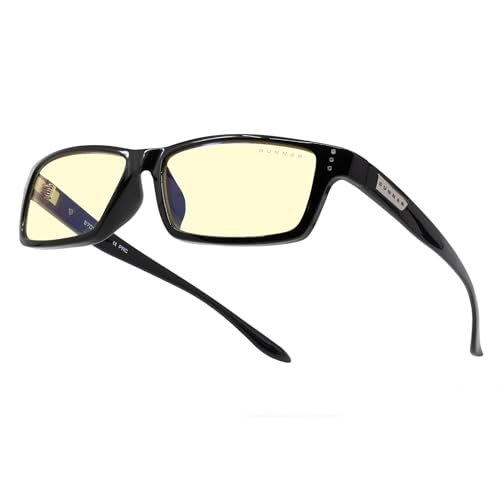
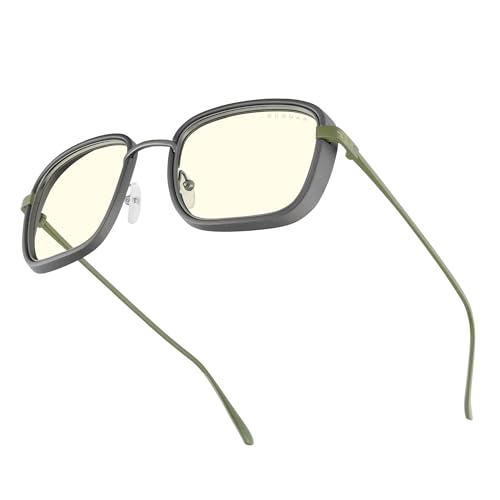
When I started using these livho glasses during late-night practice, I noticed my eyes didn’t get as tired as before. The frames are super light, so I almost forgot I was wearing them—even after a few hours working on new tracks at my computer.
They slipped on easily and never pinched my nose or ears. I appreciated how clear everything looked through the lenses.
Some blue light glasses make the world look yellow, but with these, colors stayed natural. This is important for musicians like me who spend a lot of time tweaking audio or working in digital audio workstations.


On the downside, the frames feel a little cheap in my hands, and the style is pretty basic. If you’re looking for blue light glasses that make a fashion statement, these may not stand out.
For the price and comfort, I think they’re a practical choice for anyone who wants their eyes to last through long sessions at home, in the studio, or on the road.
Okany Blue Light Glasses

If you spend long hours playing, practicing, or producing music on screens, I think these glasses are a smart pick for comfortable eye protection.
Pros
- Lightweight frame is easy to wear for hours
- Noticeably reduces eye fatigue during long screen sessions
- Comfortable fit, even with headphones
Cons
- Lenses have a yellow tint that can change how colors look
- Not the most stylish option for everyone
- Some glare still visible under strong lights
After trying out the Okany Blue Light Glasses during a full day of music creation and mixing, I noticed that my eyes felt less strained. The lightweight frame made it simple to forget I even had them on, especially while wearing my over-ear headphones.
These glasses fit comfortably and didn’t press against my head, which matters a lot if you’re mixing or jamming for hours. The yellow tint on the lenses is strong enough to block harsh blue light, but I found that it changes the appearance of some colors on my screen.
It’s not a big deal for most music work, but those who do a lot of color-sensitive tasks might need to keep this in mind. My eyes felt more relaxed, and I didn’t end up with a headache at the end of the day.
They look basic, but I care more about how they help my eyes than looks, especially for the price. I noticed less dryness in my eyes, and it was easier to focus on fine details while editing tracks.
I wish there was better anti-glare, but these glasses really made my long screen sessions less tiring.
ANRRI Blue Light Glasses

If you want good blue light glasses that are comfortable and get the job done during long music sessions or screen time, I think these are worth a look.
Pros
- Lightweight and comfortable for all-day use
- Quickly helps with eye fatigue and headaches
- Solid lifetime warranty gives peace of mind
Cons
- Frame style is pretty basic
- Might not fit extra-wide faces perfectly
- Lenses do smudge easily
Wearing the ANRRI Blue Light Glasses during a full afternoon of music editing made a noticeable difference. My eyes didn’t feel as tired, and the usual headache at the end of a long session just didn’t happen.
Since the frame is really light, I barely felt them on while focusing on my sheet music or DAW. Switching between instruments and screen, I never had to mess with the fit.
The glasses stayed in place and didn’t press uncomfortably on my ears or nose. The look is plain but passes for any setting, which I liked when teaching lessons or working with others.
The lenses can collect fingerprints if you touch them a lot, so I tried to keep a cloth handy. The fact that these come with a lifetime warranty is a nice backup.
For daily use around the studio or on stage, ANRRI Blue Light Glasses do what I need without fuss.
IBOANN Blue Light Glasses 4-Pack

If you want a simple way to cut back on eye strain as a musician who spends a lot of time staring at screens, these glasses are a practical choice.
Pros
- The four-pack means I can keep a pair in my music bag, at my desk, and at home.
- They are lightweight, so I hardly feel them on my face during long sessions.
- I like being able to match the different colors with what I’m wearing.
Cons
- The lenses scratch easily, so I need to be careful when cleaning them.
- Sometimes the lenses get smudged and it’s tough to wipe them clear.
- They feel a bit flimsy compared to pricier frames I’ve tried.
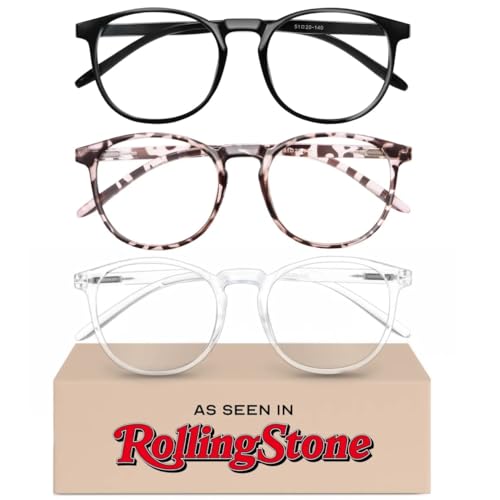
After wearing the IBOANN Blue Light Glasses through several late-night mixing sessions, my eyes felt less tired, especially after switching between sheet music and screens. The lightweight plastic frame was comfortable enough that I almost forgot I was wearing them, even during long rehearsals and practice sessions.
Getting four different pairs in one pack means I don’t stress if I lose or scratch a set. The style is casual but looks sharp enough to wear in rehearsal or on stage.
The lenses do scratch if I’m not gentle, and smudges are common, which makes me clean them more often. While they’re not as sturdy as more expensive options, I still think they’re a solid pick if you want easy screen protection without spending a lot.
hunsquer Blue Light Glasses 3-Pack
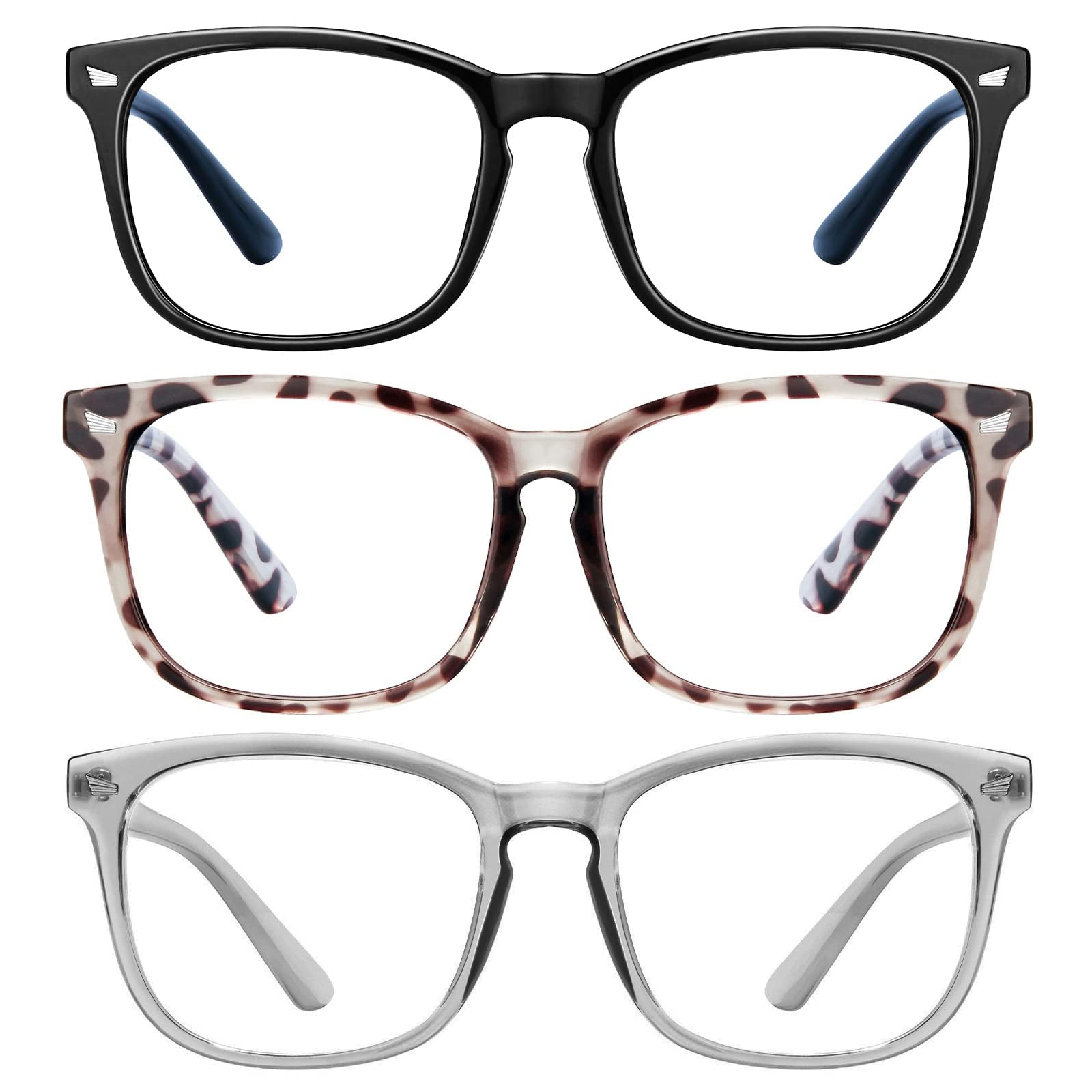
If you want a simple, affordable solution for reducing eye fatigue while practicing or performing music, these glasses get the job done without any fuss.
Pros
- Lightweight frames feel comfortable for long sessions
- Multiple stylish color choices in one set
- Noticeable relief from screen fatigue and headaches
Cons
- Frames run a bit small, especially if you like oversized glasses
- Only comes with one carrying bag for three pairs
- Glasses can feel tight behind the ears after extended wear
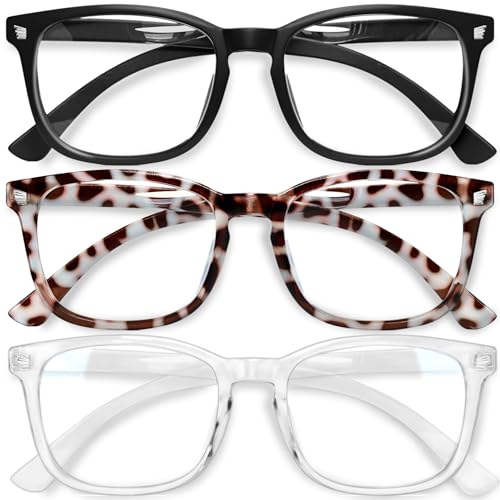
When I tried the hunsquer Blue Light Glasses, I noticed right away how lightweight they felt, even while wearing them for hours with my headphones on. Shifting between my sheet music on a tablet and DAW sessions on the computer, my eyes didn’t get tired, and I really appreciated the relief from headaches after a long rehearsal.
This 3-pack offers different frame colors, making it easy to match with my outfit or mood. The styles are modern without being too flashy.
If you prefer big, bold frames, these might not be the best fit for your style. A small downside is the tightness behind my ears after wearing them all evening, but it wasn’t a deal-breaker for me.
It would be nice if each pair came with its own bag. For the price, I think these glasses are a smart choice for musicians who spend lots of time with screens.
Buying Guide
When I shop for blue light glasses as a musician, I pay attention to lens quality. I check if the glasses block blue light in the 400-450 nm range, which is the most common wavelength from screens.
I make sure the frame fits my face shape and feels comfortable during long sessions. Adjustable nose pads help if I wear them for hours.
Key features I always consider:
- Blue light blocking filter
- Anti-glare coating
- Lightweight frame
- Durability
- Comfortable nose pads
If I wear prescription glasses, I look for blue light filters that work with my prescription lenses. This way, I do not have to switch glasses all the time.
I check if the glasses are easy to clean. Smudges and fingerprints distract me when I read sheet music or watch a screen during a rehearsal.
Here’s a simple table that helps me compare features:
| Feature | Why It Matters |
|---|---|
| Blue light filter | Reduces blue light from screens |
| Anti-glare coating | Cuts down reflections |
| Lightweight frame | Comfortable for long wear |
| Durability | Withstands daily use |
| Prescription option | Works with my vision needs |
I try on different styles to see what looks nice and stays secure when I play or move around.
Before I buy, I read reviews and look for warranties. This helps me feel sure the glasses will last and meet my needs as a musician.
