
I spend a lot of time in front of screens, so I know how tiring it can be on my eyes. Blue light glasses have become my go-to for easing that digital strain, but I quickly learned that not all lenses are created equal. The secret lies in the coating options.
Choosing the right lens coating can make a huge difference in comfort and clarity. Whether I’m working late or scrolling through my phone, I want my glasses to give me the best protection possible. Let me walk you through the different coating choices so you can find the perfect fit for your needs.
What Are Blue Light Glasses?
Blue light glasses filter specific high-energy visible (HEV) blue wavelengths that screens like phones, monitors, and TVs emit. I use blue light glasses to shield my eyes from the steady exposure that digital devices produce throughout the day. Research from the American Academy of Ophthalmology confirms that blue light may disrupt sleep cycles and cause digital eye strain after prolonged viewing times.
Most blue light glasses work by embedding lens coatings or treatments that reflect or absorb portions of blue light. I select lenses based on their certified blue light filtering percentage, usually from 20% up to 90%. Higher percentages block more blue wavelengths, which matters most during evening hours and long work sessions.
I find that people who work under fluorescent or LED lighting, as in offices or classrooms, tend to experience headaches, tired eyes, or blurred vision if they’re exposed to excess blue light. Blue light glasses, equipped with the right coatings, actively reduce these effects by managing light transmission at the lens level.
Why Lens Coating Matters for Blue Light Protection
Lens coatings play a core role in how blue light glasses block harmful wavelengths from screens and artificial lighting. Coated lenses act by selectively filtering high-energy visible (HEV) blue light, which research links to disrupted circadian rhythms and digital eye strain (Sheppard & Wolffsohn, 2018). Standard lenses without coatings lack this filter, meaning blue light can still pass through and cause symptoms like fatigue and headaches.
Enhanced comfort comes from multi-layer coatings that manage both blue light and glare. For example, anti-reflective coatings decrease digital screen reflections, reducing visual discomfort while improving clarity during long work sessions. Scratch-resistant and hydrophobic coatings maintain lens clarity over time, helping the blue light filter remain effective.
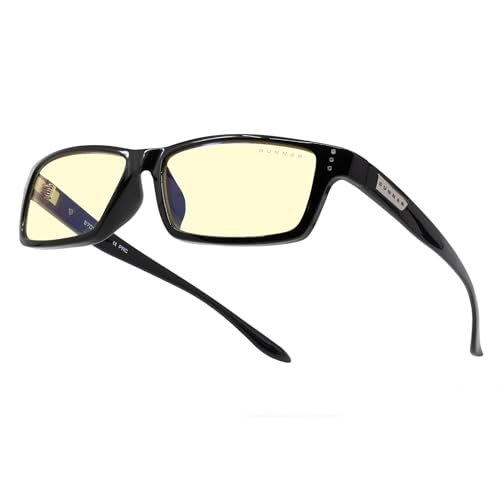
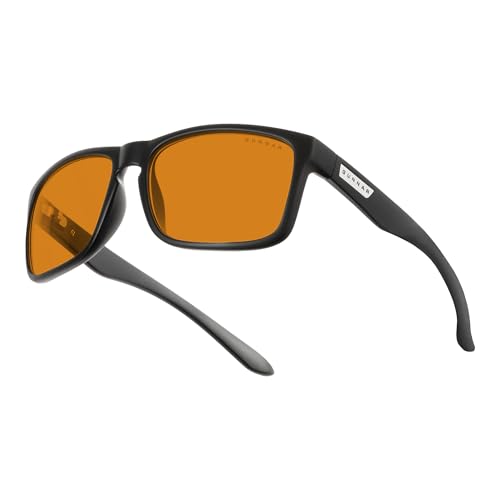
Lens coatings also impact color perception. Some coatings maintain more natural colors, which helps me work with digital media or design software without color distortion. Others tint the lenses amber or yellow, which boosts blue-blocking power but can alter how colors look.
People seeking relief from digital eye strain tend to benefit most from lenses combining blue light filtering and anti-glare coatings. For enhanced sleep quality, high-percentage blue-blocking coatings filter up to 90% of HEV blue light (Hale & Guan, 2015), especially useful at night or under bright office lighting.
Clinically validated coatings give me assurance that I’m getting real blue light protection, not just marketing claims. When I select new blue light glasses, I always review the lab reports and specs for each coating, prioritizing those with proven blue light filtering effectiveness and durability.


Popular Lens Coating Options
Lens coatings play a key role in boosting blue light filtering power and increasing visual comfort. I always look for specific options that target digital eye strain and provide extra eye health benefits.
Anti-Reflective Coating
Anti-reflective coatings, or AR coatings, reduce reflections from computer screens and LED lights. I recommend these for anyone who notices distracting glare or halos around text and images. Multi-layer AR coatings work by canceling out surface reflections, which improves lens clarity and keeps my focus sharp during long work sessions.
Scratch-Resistant Coating
Scratch-resistant coatings add a durable layer on the lens surface, helping keep glasses clearer over time. I’ve found these essential for keeping my blue light glasses free from marks and scuffs, especially with frequent cleaning. Hard coatings often resist minor abrasions from microfiber cloths or desk surfaces.
Hydrophobic Coating
Hydrophobic coatings repel water, dust, and oil, so I see fewer smudges and fingerprints on my lenses. Daily wear with hydrophobic coatings means I can clean my blue light glasses less often and enjoy crisper vision during video calls or reading sessions.
UV Protection Coating
UV protection coatings block UVA and UVB rays, which helps protect eyes from long-term light damage in addition to blue light exposure from screens. I always combine blue light and UV filtering to address both artificial and natural light challenges, especially if I’m moving between indoor and outdoor environments.




Color Enhancement Coating
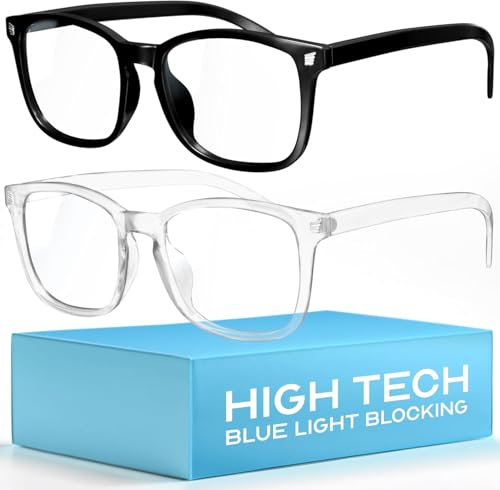
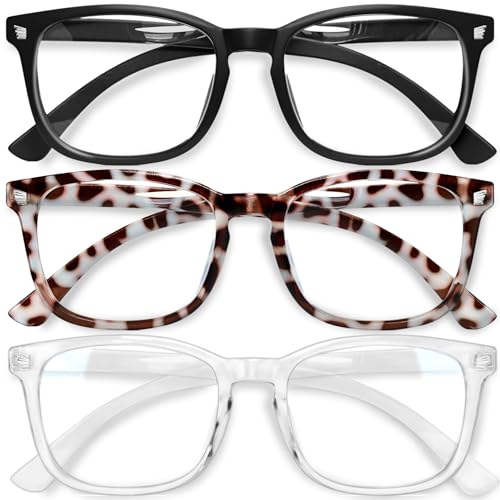
Color enhancement coatings sharpen contrast and keep screen colors vivid without over-tinting my lenses yellow or orange. These coatings selectively filter blue light and maintain true-to-life color, making them great for designers, gamers, and anyone who cares about accurate visuals. I prefer options that boost comfort while preserving the natural appearance of my screens.
Comparing Different Blue Light Lens Coatings
Blue light lens coatings differ in their performance, durability, and care needs. I compare key coating types to help users pick the right blend of protection and practicality.
Effectiveness in Blocking Blue Light
Effectiveness in blocking blue light depends on the chemical composition and layering of the coating. Some coatings, like high-percentage blue light filter coatings, block up to 50% of HEV blue wavelengths—offering better relief for people sensitive to digital eye strain. Premium coatings often combine anti-reflective layers with blue-blocking agents for a dual effect. Standard coatings may only block 10%-20%, which is less efficient for overnight device use or extended screen sessions. Tinted coatings boost blocking to 40% or more but sometimes shift screen colors slightly. Clear coatings maintain natural color perception but may filter less blue light than their tinted counterparts.
Durability and Maintenance
Durability and maintenance differ across lens coating types. Multi-layer coatings with anti-scratch and hydrophobic layers extend lens life, resisting scratches from frequent cleaning and repelling oils or dust. I recommend hydrophobic coatings for easy fingerprint removal and fewer smudges. Most quality blue light coatings stand up to daily use, though some may flake or lose effectiveness over time if exposed to alcohol-based cleaners. Premium scratch-resistant coatings protect the lens surface during routine wear and allow regular cleaning without damage. When handled with microfiber cloths and water-based solutions, coated lenses maintain their filtering ability longer.
How to Choose the Right Lens Coating
Selecting the right lens coating for blue light glasses depends on your screen time, lighting environment, and sensitivity to blue wavelengths. I consider three main vectors: blue light filter percentage, daily screen exposure, and personal comfort concerns.
Assess blue light filter percentage. Higher filter percentages—like 35%, 45%, and up to 50%—block more HEV blue wavelengths. I recommend coatings with more than 40% filtering if you work extended hours under LED lighting, use multiple screens (such as monitors, tablets, and smartphones), or experience headaches from digital glare.
Prioritize anti-reflective coatings. Anti-reflective coatings minimize reflections from screens and ambient lighting, improving clarity and reducing eye fatigue. I find this especially useful during nighttime device use or in offices with fluorescent or LED bulbs.
Consider coating combinations for your needs. If you want easy cleaning, hydrophobic coatings resist water, oils, smudges, and fingerprints. If lens longevity matters, scratch-resistant coatings prevent permanent marks from daily handling. For sunlight protection while using electronics outdoors, look for UV-blocking coatings.
Check for color accuracy. Some coatings add a noticeable yellow or amber tint, which can distort screen colors. When color fidelity is essential, such as editing photos or design work, I opt for near-clear blue light coatings to avoid altering display hues.
Review clinical validation and lab data. I always verify the lens’ blue light filtering claims by reading independent lab reports or certifications, especially for high-output coatings. This helps ensure that blue light lens coatings match their advertised level of protection.
Match coatings to your lifestyle.
| Lifestyle Factor | Recommended Coating(s) | Example Use Cases |
|---|---|---|
| Frequent, long digital sessions | 40%+ blue light, anti-reflective | Programmers, online students |
| Office under fluorescent or LED lights | Anti-reflective, blue light, hydrophobic | Office workers, teachers |
| Outdoor device use | UV-blocking, hydrophobic | Remote workers, commuters |
| Color-sensitive work | Near-clear blue light, anti-reflective | Designers, photo editors |
If your top priority is comfort and reducing eye strain, stack blue light blocking and anti-glare coatings for best results. I choose coatings based on whether I’m inside with overhead LEDs, outside using a laptop, or editing images that require accurate colors. For all-day protection, I pick lenses with multiple coatings, verified lab data, and the highest comfort during extended wear.
Conclusion
Choosing the right lens coating for blue light glasses has made a noticeable difference in my daily comfort and focus. I’ve found that a little research into coating options goes a long way in easing digital eye strain and keeping my vision clear.
If you’re spending hours in front of screens like I do it’s worth exploring coatings that fit your needs and lifestyle. With the right combination you can protect your eyes and make screen time feel a lot less taxing.
