
I spend hours in front of screens every day and I know I’m not alone. My eyes sometimes feel tired or strained after a long work session and I’ve often wondered if there’s a way to make things easier. That’s when I started hearing about blue light glasses and anti-glare coatings—two popular options that promise to protect our eyes from digital fatigue.
But with so many choices out there it’s tough to know which one actually makes a difference. I wanted to dig deeper and see what sets blue light glasses apart from anti-glare coatings and whether either solution is worth investing in. If you’re curious about keeping your eyes comfortable while you work or relax online you’re in the right place.
Understanding Blue Light Glasses
Blue light glasses filter specific wavelengths that digital devices emit. I focus on their design to help people minimize the health impact from extended screen exposure.
How Blue Light Glasses Work
Blue light glasses work by blocking or absorbing short-wavelength light, mainly between 400 nm and 500 nm, from screens and LEDs. I use lenses with coatings or pigment filters that target this range. Most blue light glasses let some blue light through since not all exposure is harmful—wavelength-specific coatings often block 30–50% to strike a balance. I notice reduced eye strain, less glare from device screens, and improved circadian alignment when I wear these during nighttime device use.
Pros and Cons of Blue Light Glasses
I track both the advantages and trade-offs of wearing blue light glasses:
Pros
- Reduce digital eye strain: I experience fewer headaches and less dryness after long computer sessions.
- Improve sleep quality: I sleep better when I wear these glasses in the evening, due to minimized melatonin suppression.
- Prevent glare: Lenses reduce the harsh effects from LED or backlit device displays.
- Color accuracy shifts: Lenses sometimes add a slight yellow or amber tint, which distorts true colors on screens.
- Effectiveness varies: Studies (such as those by the American Academy of Ophthalmology) show results differ across users, and not all people notice improvements.
- Visual adaptation: I need a short adjustment period for peripheral sharpness and color perception.
I rely on blue light glasses when spending 4+ hours daily on digital devices, especially after dusk.
Exploring Anti-Glare Coatings
I often pair my passion for blue light research with a deep dive into anti-glare coatings, since many people confuse their purpose with blue light filters. These coatings don’t alter blue light wavelengths but play a big role in how eyes handle screen-based work.
How Anti-Glare Coatings Function
Anti-glare coatings minimize reflections on the lens surface by adding a microscopically thin layer, usually using metal oxides. This layer lets more light pass through the lens and reduces glare from artificial lighting or digital screens. Unlike blue light coatings, anti-glare doesn’t block particular wavelengths—it simply keeps distracting reflections away, which helps maintain clarity when looking at backlit devices. People using overhead office lights or working near windows notice fewer ghost images and sharper visual detail with anti-glare lenses.
Advantages and Disadvantages of Anti-Glare Coatings
Anti-glare coatings offer several upsides for digital device users and anyone indoors:
- Improved clarity: Visual detail looks sharper on screens and in ambient light.
- Reduced reflections: Annoying glare from lamps and screens disappears.
- Enhanced comfort: Eyes feel less tired from squinting against reflections.
Still, anti-glare coatings have some limitations:


- Smudging: Coated lenses show fingerprints and smudges more easily.
- Durability: Scratches and peeling develop if I’m not careful with cleaning.
- No blue light filter: Eye fatigue related to blue wavelengths isn’t addressed with anti-glare alone.
I recommend anti-glare coatings for people bothered by light reflections, but those sensitive to blue light effects should combine them with specialized blue light filtering. This approach covers both sources of visual discomfort for most users.
Blue Light Glasses vs Anti-Glare Coatings: Key Differences
Blue light glasses and anti-glare coatings serve different needs for anyone concerned about digital eye strain and screen time health. I compare both in three important areas, using research-backed insights and my hands-on experience as a blue light specialist.
Effectiveness in Reducing Eye Strain
Blue light glasses specifically filter short-wavelength blue light (400–500 nm), with studies from the American Academy of Ophthalmology indicating these glasses may lessen digital eye strain and improve sleep patterns, especially if I use screens for several hours after sunset. Anti-glare coatings focus on minimizing reflections from screens and lighting, which often helps me see more clearly but doesn’t target blue light wavelengths. While anti-glare coatings increase comfort by reducing harsh glare, only blue light glasses address exposure to high-energy visible light, which evidence links to eye fatigue and disrupted circadian rhythms.
Comfort and Aesthetics
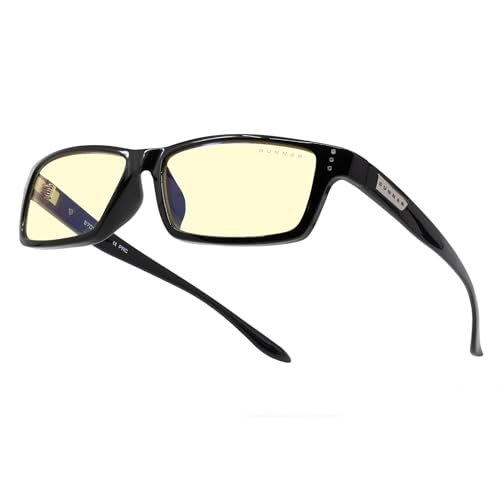
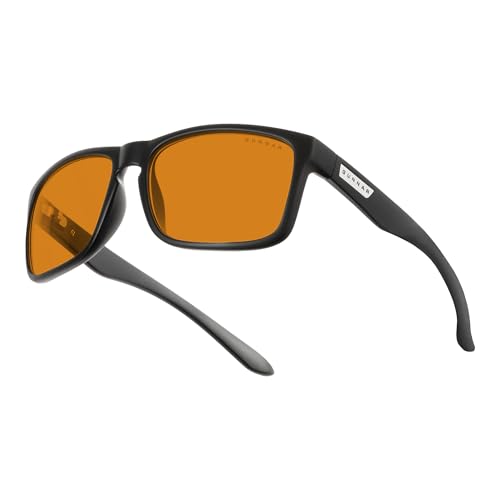
Comfort ranks high for me when wearing blue light glasses daily—brands like Felix Gray or Gunnar design lightweight frames and coatings that block blue light without adding significant weight. Some lenses have a visible yellow tint, which can cause minor color change for certain users. Anti-glare coatings improve appearance by making lenses less reflective, resulting in clear lenses that look natural in photos and under lights. Both options can increase comfort during prolonged use, but only anti-glare-coated glasses remain visually neutral and less noticeable in social and professional settings.
Cost Considerations
Cost varies between blue light glasses and anti-glare coatings depending on features and manufacturers. Standalone blue light glasses usually range from $20 to $100 for non-prescription models—the price increases with prescription lenses. Adding an anti-glare coating to prescription or non-prescription glasses costs between $40 and $150, based on sources like the Vision Council and lens retailers. Some premium brands combine both features but at higher price points, often exceeding $150. I find combining both blue light filtering and anti-glare coatings offers the most comprehensive protection, but it’s also the priciest option.




| Feature | Blue Light Glasses | Anti-Glare Coatings | Combined Feature |
|---|---|---|---|
| Main function | Blue light filtration | Glare reduction | Both |
| Eye strain/blue light relief | Yes | No | Yes |
| Glare reduction | Minimal | Yes | Yes |
| Typical price range | $20–$100 | $40–$150 | $100–$200+ |
| Visual clarity / color accuracy | Slightly reduced | High | Moderate |
Which Option Is Best for You?
Choosing between blue light glasses and anti-glare coatings comes down to your specific screen habits and visual needs. I often see people find the right solution by matching their eyewear to their digital lifestyle.
Factors to Consider Before Choosing
- Screen Time Patterns
I always look at daily screen exposure. If you regularly use devices for more than 4 hours a day, especially after sunset, blue light glasses make a bigger impact on preventing digital eye strain. For occasional device users, anti-glare coatings provide enough comfort against reflections from overhead lighting or sunlight.
- Primary Symptoms Experienced
I ask about the main issues—dry eyes, headaches, trouble sleeping, or distracting screen reflections. If you mostly struggle with screen glare or visual clarity, anti-glare coatings deliver immediate relief by reducing lens reflections. When sleep quality or blue-light-triggered headaches rank higher, blue light glasses target those problems more effectively.
- Aesthetic Preferences and Work Environment
I’ve noticed that some people prefer the natural appearance of anti-glare lenses, as blue light glasses may have a slight yellow tint. For professional settings where appearance is critical, anti-glare coatings keep lenses almost invisible in photos or under bright office lighting.
- Budget and Long-Term Value
I always weigh cost against longevity. Investing in both features covers the widest range of lighting and blue light risk, but the combined price sits at the high end. For a budget-conscious purchase, identify which symptoms are most disruptive and select the key feature first.
- Existing Eye Health and Device Types
I take into account any diagnosed vision issues or device types. High-contrast, high-brightness screens like gaming monitors, tablets, or smartphones emit more blue light than older displays, so blue light glasses see more use here. For prescription lens wearers, adding anti-glare or blue light filters to custom lenses creates a seamless solution without compromising vision correction.
Factoring these details makes your eyewear choice more personal and effective. I always recommend a trial period with each option to compare comfort and visual clarity during your typical screen activities.
Conclusion
Finding the right solution for digital eye comfort really comes down to your unique needs and habits. I’ve learned that what works for one person might not work for another so it’s worth taking the time to experiment.
Whether you lean toward blue light glasses anti-glare coatings or a combination of both your eyes will thank you for paying attention to their comfort. I hope my experience helps you make a choice that keeps your screen time easy on the eyes.
