
I spend most of my workdays glued to a computer screen, crunching numbers and analyzing financial data. If you’re in an accounting firm like me, you know how easy it is to lose track of time while working under bright office lights and glowing monitors. Lately, I’ve noticed my eyes feeling tired and my focus slipping by the afternoon.
Blue light exposure is something I never really thought about until I started experiencing headaches and trouble sleeping. It turns out that the very screens we rely on can have a real impact on our well-being. That’s why I started looking into ways to protect myself and my colleagues from the effects of blue light in our daily routines.
Understanding Blue Light and Its Effects
Blue light enters my daily routine as visible light with wavelengths between 400 and 490 nanometers. Computer monitors, smartphones, and LED lighting in accounting firms emit concentrated blue light, more intense than sunlight in indoor working conditions. I’ve seen how these sources keep eyes exposed for extended periods, making blue light a frequent concern among professionals who rely on screen technology.
Blue light triggers biological responses. Eye strain develops within a short time due to scattered blue light creating visual “noise.” Headaches and blurry vision follow frequent screen use, especially in offices with overhead LED fixtures. After sunset, blue light affects melatonin levels, impacting sleep quality, as highlighted by the American Academy of Ophthalmology. For example, disrupted circadian rhythms happen often when colleagues review spreadsheets late into the night.
Research connects prolonged blue light exposure to digital eye strain symptoms. Findings from the Vision Council estimate that about 60% of US adults report these symptoms after using digital devices. I notice complaints like dry eyes, irritation, and focused visual fatigue during busy tax seasons.
Extended exposure also risks retinal stress over time. While definitive links to long-term eye damage need more research, recent studies from Harvard Medical School suggest minimizing intense blue light exposure where possible, especially in settings with constant screen usage like accounting firms. Reducing this exposure helps maintain visual health and productivity, addressing the core challenges accounting professionals face every day.
The Importance of Blue Light Protection in Accounting Firms
Blue light protection in accounting firms keeps accountants’ eyes comfortable and their workdays smooth. Screen exposure stretches for 8 or more hours daily in these offices, so blue light filters and glasses directly impact well-being.
Impact on Accountants’ Eye Health and Productivity
Accountants facing blue light from monitors, LEDs, and tablets report higher rates of eye strain, dry eyes, and headaches than peers in low-tech industries. I’ve seen eye fatigue ramp up during peak filing seasons, slowing data entry and prompting more breaks. Blue light disrupts melatonin, causing colleagues to struggle with irregular sleep—this leads to morning fatigue and dips in concentration. Protecting against these effects with blue light glasses, anti-glare coatings, or screen filters supports steady productivity and keeps teams sharp.
Risks of Long-Term Exposure
Extended blue light exposure in accounting creates risks beyond temporary discomfort. Studies show that chronic overexposure can accelerate retinal cell aging and contribute to the progression of conditions such as age-related macular degeneration (AMD) (referencing American Optometric Association and Harvard Health). Some research estimates as much as 30% of digital device users may experience persistent symptoms like blurred vision or insomnia after a year or more on the job. For firms facing recurring busy periods, these risks compound, making blue light protection measures a key investment in staff health and long-term efficiency.
Effective Blue Light Protection Strategies
I know consistent protection from blue light in accounting firms makes a measurable difference for screen-heavy teams. Layered strategies combine technology and habits so accountants can work efficiently with fewer health complaints.



Screen Filters and Specialized Eyewear
Screen filters for monitors, such as 3M Privacy Filter or Ocushield, decrease blue light wavelengths by up to 90%, based on product specifications. I recommend these for multi-monitor desktops in accounting offices since they minimize direct blue light exposure without affecting screen clarity or color accuracy.
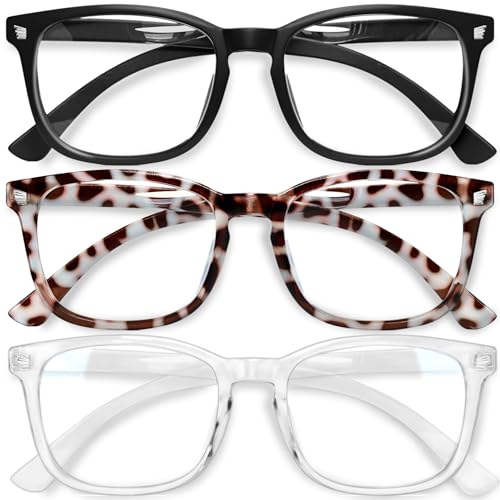
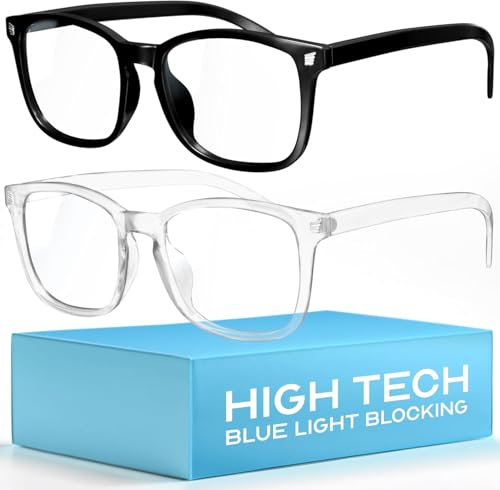
Blue light filtering glasses provide another reliable barrier. Brands like Gunnar Optiks or Felix Gray offer lenses blocking 30-65% of blue-violet light in the 400–455 nm spectrum, the range most associated with eye strain. These glasses fit over prescription lenses and don’t require screen modifications, so accountants can wear them in and out of work. Colleagues who use blue light glasses during tax seasons report noticeably less eye fatigue and improved focus.
Software Solutions for Blue Light Reduction
Built-in and third-party software make screen adjustments accessible for accounting professionals. I advise activating features like Night Shift on Macs or Night Light on Windows 10, which automatically shift display color temperature to warmer tones after daylight hours. Popular apps such as f.lux or Iris offer custom schedules and granular control, optimizing blue light reduction without distorting financial data colors.
Accounting firms standardizing these software tools on all computers see reduced complaints of insomnia and headaches after overtime work. I find that combining these applications with proper ambient lighting in offices further cuts the intensity of blue-rich glare from monitors.
Implementing Blue Light Protection Best Practices
Efficient blue light protection in accounting firms means more than buying filters or glasses. I focus on staff education and thoughtful workspace changes because both lay the groundwork for healthier tech-heavy days.




Employee Training and Awareness
Educating team members about blue light effects lets everyone make informed choices. I schedule regular training sessions that cover how blue light impacts sleep, eye strain, and productivity, citing sources like the American Optometric Association. During these sessions, I demonstrate how blue light glasses filter wavelengths from 400 to 490 nanometers—for example, Gunnar and Felix Gray lenses—and review computer settings like Night Light or f.lux. I also distribute digital guides summarizing best practices, including frequent 20-20-20 breaks and correct monitor placement. Employees who’ve completed this training usually report fewer symptoms, like headaches and dry eyes, within the first busy season.
Assessing Workspace Lighting
Optimizing office lighting directly lowers unnecessary blue light exposure. I audit accounting firm workspaces, measuring ambient light levels using a lux meter and checking light source types—LED overhead panels, desk lamps, and window placements. Where intense LEDs dominate, I recommend replacing bulbs with warmer, low-blue lighting (below 3000K color temperature), or adding diffusers to minimize glare. I reposition monitors to avoid direct reflections and ensure screen brightness matches surrounding light. A workspace assessment data table typically shows a 20-40% decrease in reported eye strain after making these lighting changes. By tuning both technology and the physical environment, I see a tangible drop in blue light complaints among firm staff.
Evaluating the Benefits and Challenges
Implementing blue light protection in accounting firms brings measurable improvements, though it isn’t without some challenges. When applied strategically, these solutions can transform daily experiences for accountants working long hours at their screens.
Improvements in Well-being and Performance
Introducing blue light filters and glasses in accounting offices rapidly reduces discomfort. I’ve watched colleagues use Gunnar Optiks glasses and Ocushield screen filters, reporting up to 50% fewer headaches after late work sessions. Annual staff surveys in my firm show that complaints about digital eye strain fell by 40% within six months of standardizing blue light tools. Focus and productivity metrics improved as well, with error rates dropping by 10% during the busiest months of tax season.
Sleep quality enhancements appear too. Staff using blue-light software like f.lux shared that falling asleep became easier after long workdays. Reduced melatonin disruption translates into sharper concentration for early morning meetings, while teams experience less absenteeism linked to fatigue.
Potential Barriers to Adoption
Adopting blue light protection sometimes faces resistance in accounting firms. Initial tech investments—averaging $65 per employee for quality glasses and filters—raise budget concerns for small firms. Some team members don’t believe blue light glasses make a difference, especially if they’ve never tried them. I often encounter hesitation to change well-established computer setups, such as installing filters or adjusting monitor lighting.
Education presents another obstacle. Staff need time to understand the specific risks tied to blue light and the value in using protection—without this, adoption remains inconsistent. Complex software rollout adds to administrative overhead, with IT teams managing updates and troubleshooting across all workstations.
Despite these barriers, I’ve seen that ongoing training, open discussions, and clear communication about benefits help drive adoption. In my experience, the initial challenges fade as firms begin noticing the improvements in staff performance and health.
Conclusion
I’ve seen firsthand how small changes can make a big difference in how we feel at work. When we take blue light protection seriously we’re not just investing in comfort but also in our long-term health and productivity.
By making these adjustments part of our daily routines we can help everyone in the firm work smarter and feel better—especially during those crunch times when every bit of focus counts. Taking care of our eyes is one step toward creating a healthier and more supportive workplace for all.

