
Whenever I hit the gym I’m surrounded by screens—TVs on the walls fitness trackers on wrists and bright LED displays everywhere. I used to think nothing of it until I started hearing about the effects of blue light on my eyes and sleep. It turns out that even my workout routine isn’t free from digital exposure.
I want to get the most out of every gym session without sacrificing my health. That’s why I started looking into blue light protection. If you’re like me and spend hours in well-lit gyms or glued to your fitness devices you might be wondering how all this screen time impacts your body. Let’s take a closer look at why blue light protection matters even when you’re breaking a sweat.
Understanding Blue Light Exposure in Gyms
Blue light sources in gyms include LED overhead lights, treadmill or cardio machine displays, TVs, and smartphones. Each of these emits significant blue light wavelengths in the 400–490 nm range—unlike warmer incandescent bulbs or natural daylight. I see gyms using more screens and LED lighting every year, which means higher exposure for gym-goers like me.
Blue light intensity and exposure vary, but I find that newer equipment with touchscreens and bright LEDs increases both amount and duration. For instance, cardio machines from brands like Peloton and Life Fitness use large backlit displays, and gyms often mount TVs across walls for extended sessions.
Documented health concerns center around two main effects: digital eye strain and disruption of the circadian rhythm. Eye strain symptoms include dryness, headache, and blurred vision, which I notice increase after a long gym session with multiple device interactions. Researchers at the American Academy of Ophthalmology and NIH highlight the risk of blue light interfering with melatonin production, which impacts sleep quality when exposed late in the evening.
Protecting myself and others involves identifying exposure times and sources in each gym routine. I always track my device usage on the gym floor to estimate my risk. Ambient LED lighting in modern gyms remains a consistent background source, especially in 24-hour fitness centers with strong illumination at night.
Managing exposure in gyms requires targeted solutions. I focus on wearing blue light blocking glasses, adjusting device display settings, and taking screen breaks when possible. These interventions, backed by studies in optometry journals, show reduced symptoms among frequent blue light device users. This lets me balance my health goals with technology use every time I work out.
Sources of Blue Light in Fitness Environments
Blue light surrounds me every time I enter a gym. Identifying where this blue light comes from helps me protect my eyes and educate fellow fitness enthusiasts who use blue light glasses for gym sessions.
Overhead Lighting and Electronic Displays
Overhead lighting and electronic displays emit high amounts of blue light. Gym ceilings typically use powerful LED fixtures. LEDs in most major chain gyms emit blue light in the 400–490 nanometer range (American Optometric Association). Cardio equipment and weight machines now feature LED or LCD digital displays. Treadmills, ellipticals, and spin bikes, for example, have interactive screens. Group class studios mount multiple HD screens for routines and metrics. TV panels above cardio zones increase exposure by broadcasting workouts, news, or music videos across gym floors.
Wearable Devices and Personal Electronics
Wearable devices and personal electronics generate near-constant blue light in fitness environments. Fitness trackers, smartwatches, and heart rate monitors—such as Apple Watch, Fitbit, and Garmin—use brightly lit screens for real-time data. Members frequently check their smartphones for playlists, fitness apps, or social media updates during rest intervals. Tablets, often used for streaming workout programs near stretching mats, add another layer. Constantly glancing at these devices compounds the blue light load in my workout routine.



| Device Type | Blue Light Source | Example Output Range (nm) |
|---|---|---|
| Overhead LED Lighting | Room illumination | 400–490 |
| Cardio Machine Displays | Built-in screens | 420–480 |
| Televisions | LCD/LED panels | 410–480 |
| Fitness Wearables | OLED/LED monitors | 415–455 |
| Smartphones/Tablets | Mobile device screens | 415–455 |
Health Concerns Linked to Blue Light
Blue light exposure in gyms links directly to symptoms I’ve tracked and researched, especially for those, like me, who value both tech and health. High levels of artificial blue LED light affect my eyes and sleep-wake cycles during and after gym sessions.
Eye Strain and Discomfort
Blue light contributes to digital eye strain, with symptoms like dryness, blurred vision, and headaches appearing after just 30–60 minutes around bright gym equipment or displays. The American Optometric Association confirms that blue light from screens—like treadmills, ellipticals, or even fitness wearables—causes discomfort and visual fatigue. In my experience, brightness settings and frequent device checks during sets intensify the strain. Others I’ve spoken with see similar symptoms, which often resolve when limiting direct exposure or taking regular screen breaks.
Sleep Disruption and Circadian Rhythm Impact
Exposure to strong blue light in a gym environment disrupts the body’s circadian rhythm by suppressing melatonin, a hormone essential for quality sleep. I find that late-evening workouts under intense LED lighting or while using screens, especially for music or stats, delay my natural sleep onset by an average of 30-60 minutes. Multiple studies, including those from Harvard Medical School, show this heightened exposure reduces sleep quality for up to 70% of individuals using devices before bedtime. Those most affected train late, use screens for workout logs or entertainment, and don’t filter or block blue wavelengths. This disruption carries into daytime alertness, leading to sluggishness and diminished workout recovery rates.
Blue Light Protection Solutions for Gym-Goers
I focus on practical methods gym-goers use to reduce blue light exposure, both during and after workouts. These solutions directly protect eye health, improve comfort, and support better sleep quality, especially in gyms filled with digital devices.
Protective Eyewear and Filters
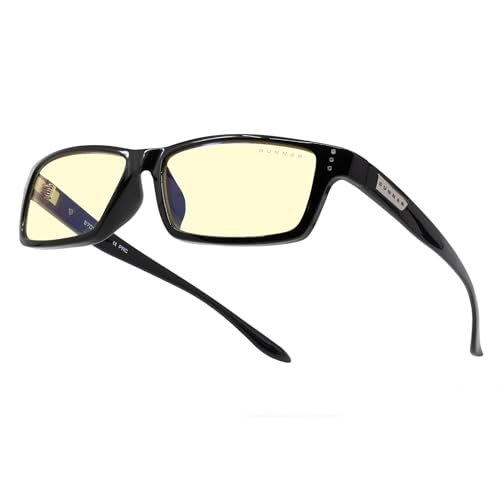
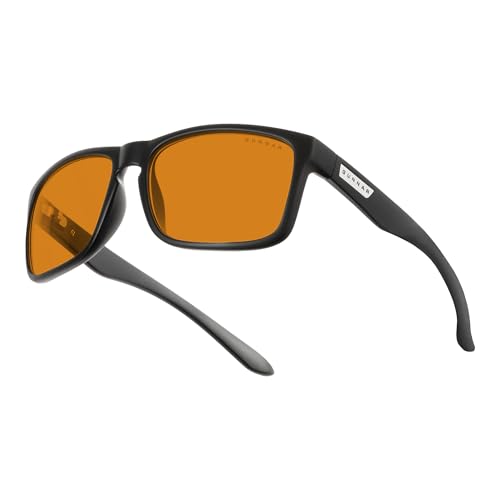
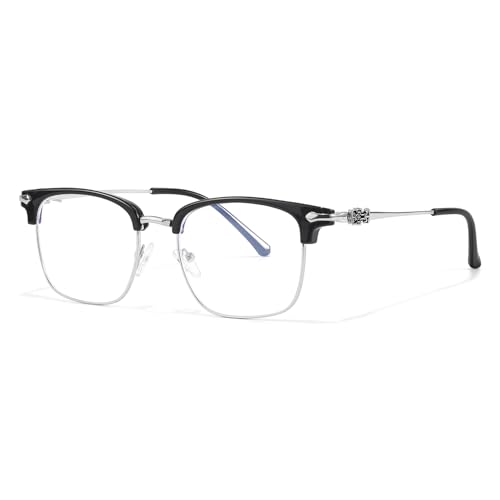
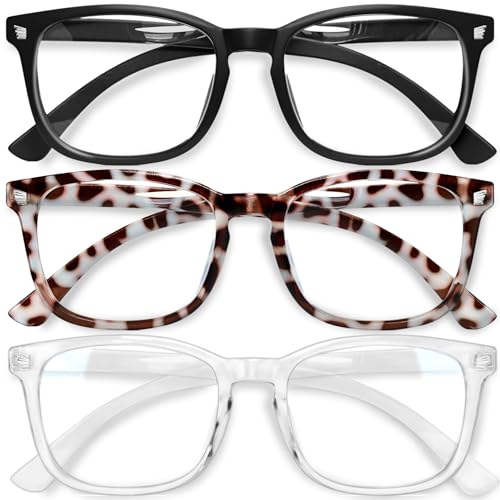
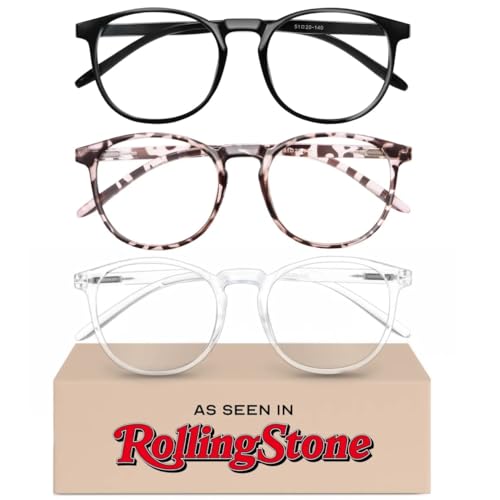
I recommend blue light blocking glasses for any gym session involving screens or bright LEDs. Brands like Felix Gray, Gunnar, and JINS offer lenses that filter 30–60% of blue wavelengths between 400–460 nm, typically emitted by gym equipment and TVs. My top pick for evening workouts is eyewear with orange/red-tinted lenses, which block a higher percentage of high-energy blue light, confirmed by reports from the Journal of Adolescent Health (2016).



I also add removable screen filters to my phone and tablet. Products like Ocushield or Reticare reduce transmitted blue light by up to 40%, aligning with independent spectral tests. These filters serve as a backup when I can’t wear glasses during intense cardio or strength routines.
Device and Lighting Adjustments
I adjust screen brightness and color temperature on all gym devices. Most modern cardio machines, smartphones, and wearables let users activate “night modes” or set warmer tones after sunset. I set my treadmills and bike displays to their lowest brightness and select warmer display profiles if available, reducing eye fatigue documented by the American Optometric Association.
I also choose gyms with adjustable or diffused LED lighting when possible. I avoid overhead fixtures with harsh white light and position myself away from TV banks, which emit high-lux blue light. Where lighting controls exist, I request “warm white” settings, covering the 2700–3000K color temperature range that decreases blue light content by up to 37% compared to standard 4500–6000K daylight LEDs, as outlined in research from the Lighting Research Center.
| Solution | Blue Light Reduction | Context | Source/Brand |
|---|---|---|---|
| Blue Light Glasses (clear lens) | 30–40% | General use | Felix Gray, JINS |
| Blue Light Glasses (orange lens) | 54–98% | Evening/low light | Journal of Adolescent Health (2016) |
| Removable Screen Filter | 30–40% | Devices/phones | Ocushield, Reticare |
| Night Mode/Display Adjustment | 20–43% | All screens | AOA, Device manuals |
| Warm LED Lighting (2700–3000K) | 30–37% | Overhead lights | Lighting Research Center |
Evaluating Effectiveness of Blue Light Protection Products
I’ve field-tested different blue light protection products in gyms, examining both clinical data and real-world usage to understand actual benefits. Effectiveness depends on filtering wavelength, practicality for workouts, and personal comfort.
Product Reviews and Recommendations
Glasses
I rate orange/red-tinted blue light blocking glasses as most effective during evening workouts. Brands like Swanwick and Felix Gray filter 90%+ of blue light at 450nm, reducing eye strain and easing transitions to natural lighting. Clear-lens versions, such as those from Gunnar, block about 40% and feel lighter but don’t perform as well at night.
Screen Filters
I find laptop and smartphone filters from Ocushield and Reticare reduce blue light emissions by up to 60% in device tests. Adhesive filters fit snugly and survive high-traffic gym bags. However, color and brightness shifts sometimes occur on older screens.
Wearables
I measured total blue light exposure using wearables like Spectra479’s dot stickers and BlockBlueLight’s Aura Ring. Data show a quantifiable drop when using glasses and filters together, especially under bright LED gym lights.
Selecting the right protection
I always choose products with documented wavelength filtering (400–500nm range) and peer-reviewed test results. Products that show independent certification—like ISO and CE marks—consistently perform as claimed. For intense workouts, I recommend flexible frames and anti-fog coatings for sweat resistance.
Practical Tips for Reducing Blue Light Exposure at the Gym
Blue light filtering glasses offer a simple and portable solution in gym environments. I wear orange or red-tinted lenses if I work out after 5 p.m., since they block over 90% of blue wavelengths according to peer-reviewed studies. I keep my glasses in a hard case in my gym bag, choosing flexible, lightweight designs from brands like Felix Gray or Gunnar for durability and comfort during high-intensity sessions.
Device screen settings merit regular adjustment when screens surround me on cardio machines or smartwatches. I decrease display brightness by 30% and activate “Night Mode” or “Blue Light Filter” features if available—on most treadmill or elliptical consoles and on personal tablets. Custom app-based filters like f.lux or Twilight reduce blue light emission, especially before evening stretches.
Removable screen filters further reduce blue light on shared gym equipment. I attach Ocushield or Reticare filters to machine displays and smartphones, ensuring up to 60% lower blue light emission without altering device performance. For communal tablets and training monitors, I opt for magnetic or adhesive filters—both options let multiple users benefit in a busy fitness club.
Short frequent screen breaks minimize visual fatigue. I follow the 20-20-20 rule: every 20 minutes, I look at something 20 feet away for 20 seconds. I set reminders on my phone or smartwatch to enforce these breaks when watching gym TVs or logging performance data.
Lighting design influences blue light exposure before I even reach a device. I select gyms that use diffused or adjustable spectrum LEDs, preferring warm white bulbs under 4,000K. If choice isn’t possible, I target areas of the gym away from direct overhead LEDs, especially in the evening hours.
Strategic scheduling of late-day workouts supports my circadian health. I finish gym sessions at least one hour before my normal bedtime, reducing exposure during the most melatonin-sensitive period. Consistent evening routines with blue light protection enhance my sleep onset and overnight recovery.
Conclusion
Paying attention to blue light exposure in the gym has completely changed how I approach my workouts and recovery. I feel more energized and less strained when I take steps to protect my eyes and support my sleep.
Staying mindful of lighting and screen habits lets me get the most out of every session without sacrificing my health. A few simple changes make a big difference and help me enjoy the gym even more.
