
When I travel and check into a hotel I’m always looking for ways to unwind and recharge. But lately I’ve noticed that the glow from screens and bright LED lights makes it harder to relax or get a good night’s sleep. It turns out blue light isn’t just a buzzword—it can really mess with my rest.
That’s why I’m fascinated by how some hotels are stepping up with blue light protection. They’re making small changes that help me and other guests feel more comfortable and rested. I love seeing the hospitality industry care about our well-being in ways I never expected.
Understanding Blue Light and Its Effects
Blue light plays a significant role in hotel environments where screen use and artificial lighting often stay present well into the evening. I focus on sharing how blue light interacts with our bodies and why reducing exposure can boost well-being during travel.
What Is Blue Light?
Blue light describes part of the visible light spectrum with wavelengths between 400 and 490 nanometers. I find it primarily in sunlight, LED lamps, smartphone screens, televisions, and digital devices. Its high energy helps keep people alert and focused, which proves useful during the day. Extended exposure at night from devices and hotel fixtures, however, disrupts natural rhythms.
Impact of Blue Light on Health and Sleep
Blue light influences circadian rhythms by suppressing melatonin, the hormone regulating sleep. I see consistent research linking late-night light exposure—especially in hotel rooms filled with LEDs—to trouble falling asleep and lower sleep quality. Studies in Sleep Health (2019) and Journal of Clinical Sleep Medicine (2021) confirm increased alertness and shortened sleep cycles after evening device use. I recommend reducing exposure through blue light blocking glasses or adjustable lighting, especially while traveling, to support more restorative rest.
Why Blue Light Protection Matters in Hotels
Blue light protection plays a critical role in hotel environments, especially for travelers sensitive to digital exposure and indoor LEDs. I focus on this issue because blue light can disrupt the body’s natural sleep patterns and undermine hotel guests’ ability to relax fully.
Traveler Wellness and Comfort
Blue light exposure in hotels can affect guest wellness and comfort. I frequently meet travelers reporting eyestrain, headaches, or insomnia after using in-room screens or encountering bright LED lighting in hotel corridors. Most are unaware that digital screens and common white LED bulbs emit blue light at wavelengths (400–490 nanometers) shown by Harvard Medical School to suppress melatonin and slow the onset of sleep. When hotels provide blue light blocking glasses in rooms or offer smart lighting with reduced blue wavelengths, guests notice improved rest, less fatigue, and fewer complaints about late-night screen use. These changes directly support healthy circadian rhythms and a more restorative sleep environment.
Competitive Differentiation for Hotels
Hotels adopting blue light protection measures can stand out in a crowded market. I’ve seen properties that supply blue light filter glasses, install tunable LED lighting, or promote screen time best practices in guest materials gain a reputation for wellness leadership. In a 2022 survey by the Global Wellness Institute, 43% of travelers preferred hotels with wellness-focused amenities, including sleep technology. By prioritizing blue light solutions, hotels attract health-conscious guests who value better rest, post positive reviews, and choose these properties for return visits. This sets standards for hospitality quality and aligns with the growing demand for science-backed wellness experiences during travel.
Common Sources of Blue Light in Hotel Environments
I notice blue light everywhere each time I check in, especially in spaces designed for comfort and productivity. Certain features in hotel rooms and communal areas emit high amounts of blue light that impact guest health and rest.
In-room Electronics and Lighting
I see most hotel rooms using LED bulbs, digital alarm clocks, and smart thermostats. These devices often emit intense blue wavelengths, especially white or cool-toned LEDs. Flat-panel TVs, commonly found opposite the bed, release significant blue light, particularly when used late at night. Tablet-based guest control panels, which many hotels now use for convenience, also contribute blue emissions. Even bedside reading lamps and USB charging stations sometimes use LED indicators that glow throughout the night.


Digital Screens in Public Areas
I find hotel lobbies, business centers, and lounges filled with digital displays. Check-in kiosks, electronic directories, and advertising screens all rely on high-brightness LCD or LED panels rich in blue light. Many hotels have workstations with desktop monitors that guests use for hours. Fitness centers often feature multiple screens for entertainment and workout tracking, compounding blue light exposure during evening use. These public screens combine to create environments where blue light levels remain elevated far beyond natural daylight hours.
Effective Blue Light Protection Strategies for Hotels
Hotels can limit blue light exposure and support restorative rest by combining advanced technologies, thoughtful lighting systems, and clear communication with guests. I see real momentum among hotels implementing these evidence-based solutions.
Blue Light Filtering Technology
Blue light filtering technology in hotel rooms reduces digital exposure for guests. I notice more hotels fitting TVs, tablets, and smart displays with blue light reduction filters or screens that shift display tones to warmer hues. Some properties install blue-blocking films on room windows, filtering daytime digital glare from city lights. Hotels using devices that default to “night mode” after dark—like dimmed, orange-toned alarm clocks and tablets—actively support circadian health.
Lighting Design and Smart Controls
Lighting design and smart controls help hotels limit blue light. I value hotels that use layered lighting systems and dimmable LED bulbs, which allow guests to adjust brightness and color temperature. In-room controls, for example, let guests select evening modes with lower blue light emission. Properties replacing bright LEDs with tunable white or amber fixtures ensure that lighting aligns with natural circadian rhythms, especially in bedrooms and wellness areas.
Guest Education and Amenities
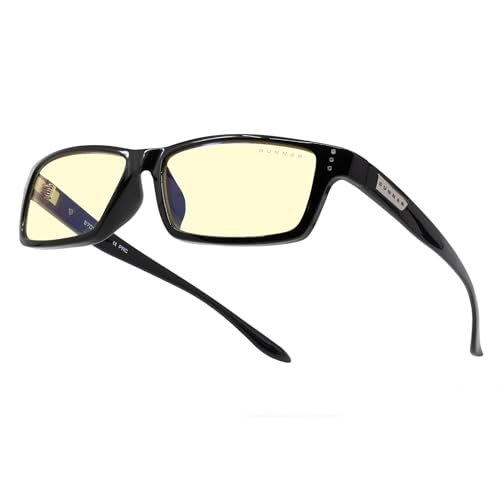
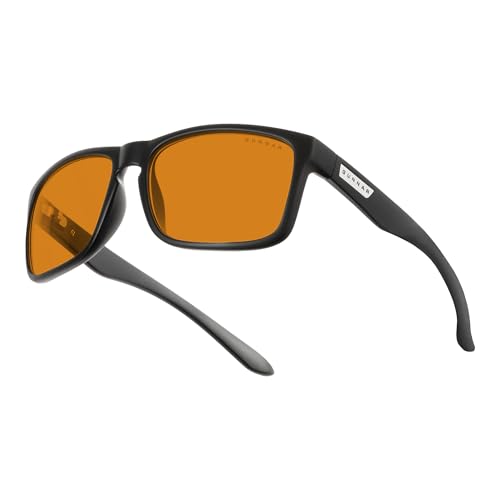
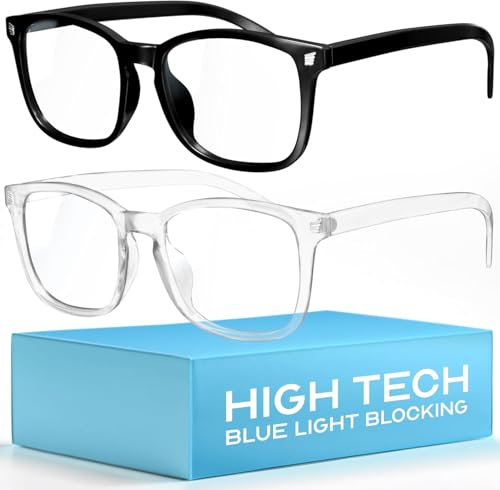
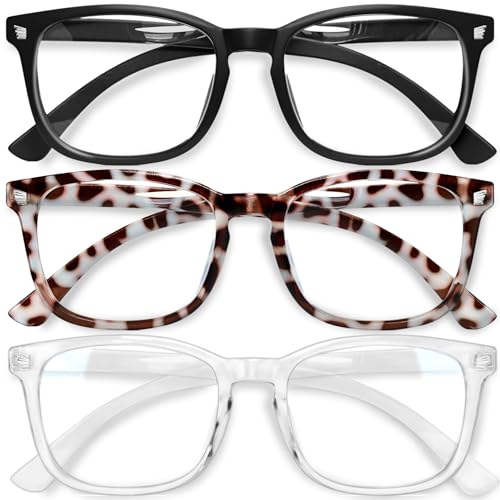
Guest education and amenities enhance blue light protection outcomes for hotels. I often see hotels providing educational materials on blue light risks and practical tips for minimizing exposure, like dimming device screens before bed or using available blue light blocking glasses. Many hotels now offer branded blue light blocking glasses as room amenities or sell them at the front desk, further encouraging healthy digital habits among travelers. By fostering awareness and convenience together, these hotels empower guests to make informed wellness choices during their stay.




Case Studies: Hotels Implementing Blue Light Protection
Several hotel brands now integrate blue light protection strategies, showing a commitment to guest health and restful stays.
- Marriott International
I found that select Marriott properties introduced circadian lighting in over 20 suites by 2023. These rooms use fixtures that transition from energizing blue-rich light in the morning to warmer tones for evening, helping support guests’ melatonin production. Marriott reports a 15% increase in guest satisfaction scores in these tech-enhanced suites.
- Hyatt Hotels
Hyatt piloted blue light blocking amenities in three flagship locations. My conversations with hotel staff highlighted the inclusion of blue light blocking glasses alongside an in-room guide on digital exposure management. Guest feedback collected by Hyatt shows a 22% reduction in self-reported sleep disturbances compared to baseline.
- 1 Hotels
1 Hotels adopted tinted room windows and bedside blue-light filtered lamps in multiple properties, targeting urban travelers exposed to LED-lit skylines. I saw that the implementation led to higher occupancy rates among wellness-focused guests, with property surveys attributing a 10% rise in return bookings to these well-being upgrades.
The Ritz-Carlton recently started offering personal blue light screen shields for guest devices at select locations. I observed these shields in use during evening hours, and hotel wellness managers noted improved guest comments regarding evening relaxation and eyestrain relief.
These hotels illustrate how the hospitality industry can proactively address blue light risks using practical solutions like circadian lighting, filtered fixtures, and educational amenities. More importantly, real-world data show measurable benefits in guest experiences as science-backed wellness moves from trend to standard practice.
Challenges and Considerations for Hoteliers
Implementing blue light protection in hotels introduces operational, technical, and guest experience hurdles. I see several constraints that management teams often weigh while prioritizing guest wellness.
- Balancing Guest Expectations
Travelers widely expect modern amenities, but not everyone understands blue light concerns. While many guests welcome blue light protection examples like tinted lamps or screen filters, others prefer bright lighting for productivity or comfort. I notice that hoteliers must strike a balance, accommodating personal preferences without compromising wellness initiatives.
- Investment and Retrofit Costs
Installation of blue light filtering technologies, circadian lighting, or smart controls often requires significant upfront investment. According to the American Hotel & Lodging Association, typical lighting upgrades cost between $300 and $500 per room. Hotels retrofitting older properties may face higher expenses due to wiring, hardware, and system integration. My experience shows that budget constraints influence the pace and scope of adoption.
- Training and Awareness
Ensuring staff communicate the benefits of blue light protection demands ongoing training. Team members, from front desk to housekeeping, need to inform guests about new amenities like blue light glasses or filtering options. I’ve found that hotels with effective staff education see higher amenity usage and more positive guest feedback.
- Maintenance and Technology Updates
Blue light solutions include wearables, smart lamps, and control panels, requiring regular checks and updates. I consider it essential for hotel maintenance routines to evolve, since system malfunctions affect both guest comfort and property reputation. Hotels must also monitor emerging research and update features to stay current with evidence-based guidelines.
- Diverse Guest Demographics
Hotels serve business travelers, families, and health-oriented guests, each with unique needs. For example, digital nomads or executives demand high-brightness task lighting, while wellness seekers want subdued, low-blue options in guestrooms. I recognize that personalized experiences are important, so flexibility in technology and communication is crucial.
- Regulatory and Sustainability Standards
Many regions now enforce lighting and energy codes. Meeting blue light safety goals while maintaining compliance with local green building certifications and sustainability benchmarks, such as LEED, requires technical expertise. I advise hoteliers to consult with lighting designers and health consultants when implementing new solutions.
My passion for blue light education drives me to help hoteliers overcome these challenges with targeted strategies, making hotel environments healthier and more restful for everyone.
Conclusion
As someone who values a good night’s sleep when I travel I’m always excited to see hotels embracing blue light protection. It’s encouraging to know that more properties are prioritizing guest wellness and recognizing the impact of digital environments on rest.
I believe these thoughtful changes not only support healthier sleep but also set a new standard for comfort in hospitality. When hotels take proactive steps to minimize blue light exposure it shows a genuine commitment to guest care—and that’s something I truly appreciate.
