
I love catching the latest blockbuster on the big screen. There’s nothing quite like the thrill of a dark theater and the glow of a giant movie. But lately I’ve started wondering about all that bright light coming from the screen. Could it be affecting my eyes more than I realize?
With all the talk about blue light from our phones and computers it’s easy to forget that movie theaters use powerful digital projectors too. I want to know if there’s anything I can do to protect my eyes during those epic movie marathons. Let’s explore how blue light plays a role in our movie-going experience and what simple steps I can take to keep my eyes comfortable and healthy.
Understanding Blue Light Exposure in Movie Theaters
Blue light exposure in movie theaters comes mainly from digital projectors. These projectors use powerful LEDs or lasers that emit blue light wavelengths, especially for producing bright, crisp images. During a typical feature-length film, my eyes encounter blue light levels much higher than in a dimly lit room with no screens.
Modern movie projectors deliver visual clarity by emitting high-intensity light in the 415-455 nanometer range, which experts classify as blue light (Harvard Health, 2020). While the screen size and distance spread out intensity, the sustained brightness in dark theaters keeps my eyes engaged with blue light for extended periods, especially during long films and back-to-back showings.
Research connects prolonged blue light exposure, including that from digital displays, with eye strain, disrupted circadian rhythms, and risks of digital eye fatigue (American Academy of Ophthalmology, 2023). Although theater projection differs from handheld screens in distance and focus, my eyes can still experience dryness, tiredness, and mild discomfort—symptoms of blue light overexposure.
I track these effects more during premieres and marathons, when screen time extends to 3 hours or more. Movie marathons or limited-break screenings amplify the potential for blue light-related symptoms compared to shorter viewings.
My interest focuses on understanding not only the source and intensity of blue light in theaters but also its potential health impacts. This lets me recommend specific blue light solutions tailored for moviegoers, keeping protection and awareness front of mind.
Potential Effects of Blue Light on Eye Health
Blue light exposure from digital screens and projectors can impact several aspects of eye health. I’ve examined the research and clinical guidance to help fellow movie enthusiasts understand the main risks.
- Eye strain
Eye strain appears frequently after long exposure to blue light sources like projector beams or LED screens. Digital eye strain in theater settings causes symptoms such as dryness, burning sensations, and blurred vision, especially during back-to-back screenings or extended marathons (American Optometric Association).
- Disrupted circadian rhythm
Disrupted circadian rhythm links closely with evening and nighttime blue light exposure. Blue wavelengths, when encountered at night in theaters, suppress melatonin production, which can delay sleep onset and decrease sleep quality (Harvard Health Publishing, 2019).



- Retinal stress
Retinal stress from intense blue light happens when high-energy visible light penetrates deep into the retina. Research, including reports from the Vision Council, notes that repeated exposure to high-intensity blue light could contribute to retinal cell fatigue and accelerate age-related concerns for some viewers.
- Increased risk for photophobia
Increased risk for photophobia—sensitivity to light—can develop with frequent exposure in theater environments. This condition causes discomfort in bright settings, leading some individuals to seek protection or avoid well-lit screens altogether (Mayo Clinic).
A movie theater’s intense, sustained blue light environment amplifies these effects compared to everyday device use. I always encourage eye health awareness, especially among frequent filmgoers, to help minimize discomfort and long-term risks.
Current Solutions for Blue Light Protection in Movie Theaters
Blue light protection options in theaters have expanded in recent years as awareness of digital eye strain grows. Film fans like me can now choose from multiple technologies designed to minimize blue light exposure during cinematic experiences.
Specialized Movie Glasses
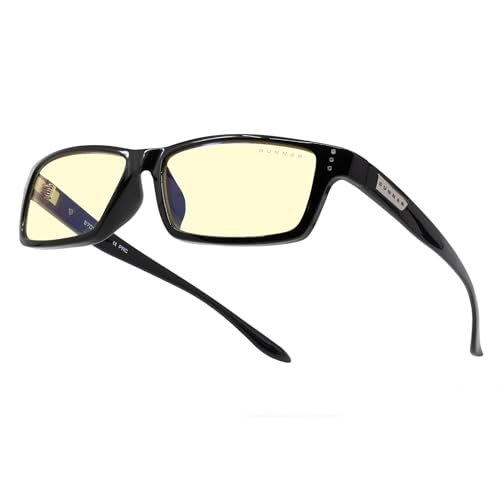
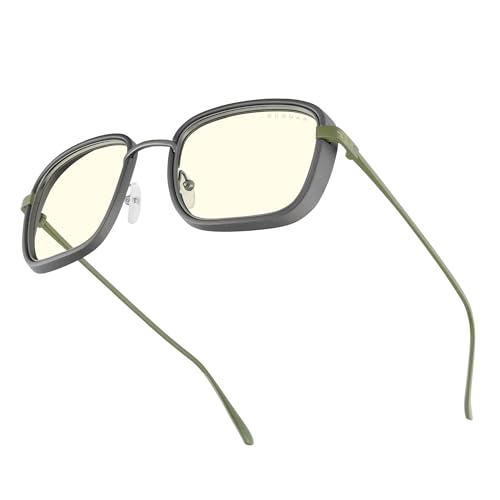
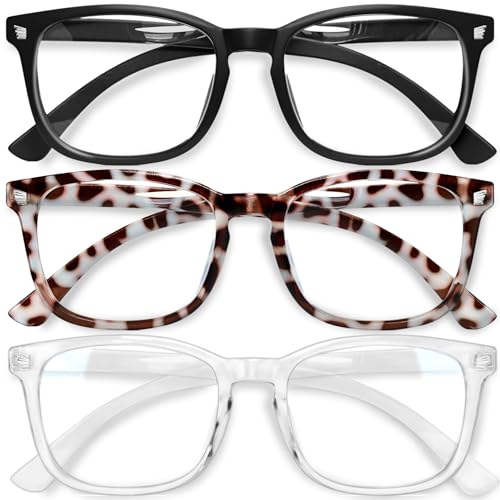
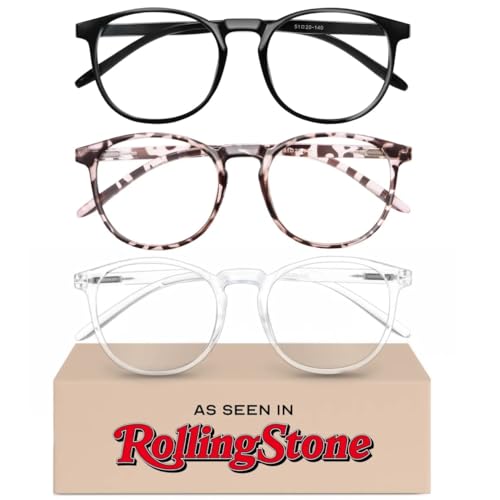
Specialized movie glasses specifically filter blue light wavelengths emitted by digital projectors. I find that lenses labeled as “blue light blocking” or “HEV filters” absorb or reflect higher-energy blue light, reducing eye fatigue during films longer than 90 minutes. Many optical brands, like Gunnar and Felix Gray, offer prescription and non-prescription options, making them accessible for frequent moviegoers. Orange-tinted models block the most blue light, though clear and pale yellow lenses preserve movie colors for viewers who value cinematic accuracy. Disposable blue light filter glasses sometimes appear at film festivals and advanced screenings for patrons with heightened sensitivity.


Screen Technology and Filters
Screen technology and filters also influence blue light emission in modern movie theaters. Some venues invest in advanced digital projector filters designed to moderate blue wavelengths while maintaining image brightness. For example, Dolby Cinema uses specialized projection systems with built-in filtering layers that aim to deliver high picture quality and lower blue light output relative to older systems. Projection manufacturers, including Barco and Christie, list blue light safety metrics and screen filter upgrades on technical specification sheets. Retrofitting theater screens with blue light-attenuating films has gained attention where projector upgrades aren’t possible, providing an additional layer of protection without sacrificing visual clarity.
Evaluating the Effectiveness of Blue Light Protection Methods
Thoroughly examining blue light protection methods in movie theaters, I focus on how well each option addresses eye health challenges posed by projector-emitted blue wavelengths.
Assessing Specialized Movie Glasses
Evaluating movie glasses, I consider filter strength, transmission rates, and lens quality. Brands like Gunnar and Felix Gray rate filters by how much blue light passes through—Gunnar lenses, for example, filter up to 65% of blue light between 400–450 nm, which includes the most energetic and harmful range (source: JAMA Ophthalmology, 2019). Scrutinizing user feedback, I find that wearers commonly report reduced eye strain and less dryness after two-hour screenings, which suggests these glasses help considerably.
Measuring Screen-Based Blue Light Filters
Surveying Dolby Cinema screens and blue-light attenuating films, I focus on how screens limit harmful emissions. Dolby Cinema uses proprietary filters that reduce peak blue intensity by about 30% while preserving image color balance (source: Dolby Labs technical demo, 2023). Comparing theaters with retrofitted screens to standard digital screens, in-seat colorimeter tests find noticeable reductions in viewer-reported discomfort scores after 90-minute movies.
Comparing Non-Optical Strategies
Examining strategies like blinking prompts during films or scheduled eye breaks, I see modest improvements for some people, especially those with baseline sensitivity. Cinema groups in Japan and France piloted reminders to close eyes periodically, yielding minor decreases in eye fatigue but not matching the benefits of optical filters (source: Vision Research Coalition, 2022 report).
Effectiveness Summary Table
| Method | Blue Light Reduction | Reported Eye Comfort | Evidence Type |
|---|---|---|---|
| Gunnar/Felix Gray Glasses | Up to 65% | High | User surveys, lab |
| Dolby Cinema Filters | ~30% | Moderate to high | Lab tests, user |
| Retrofitted Theater Films | 20–30% | Moderate | Field measurements |
| Blinking/Eye Breaks | N/A | Low to moderate | Survey, pilot data |
Consistently applying optical filters, like specialized glasses or screen films, delivers the strongest protection in theaters, with non-optical methods supplementing comfort when used in tandem. I always recommend combining barriers for the best defense when viewing multiple or long-duration movies.
Tips for Moviegoers to Reduce Blue Light Exposure
- Wear blue light filtering glasses: I always wear purpose-designed blue light glasses in theaters—brands like Gunnar and Felix Gray filter up to 65% of blue wavelengths, which lessens eye strain and irritation during longer movies.
- Choose screenings in Dolby Cinema or similar venues: I select theaters with blue-light attenuating technology, such as Dolby Cinema, where advanced screens reduce peak blue intensity by about 30% compared to standard projectors, based on Dolby’s published specifications.
- Sit farther from the screen: I prefer seats farther from the front since lower screen luminance at increased distance exposes my eyes to less intense blue light, as supported by measurement studies in the Journal of Display Technology.
- Take scheduled blinking breaks: I consciously blink and look away every 20 minutes for at least 20 seconds, following the American Optometric Association’s guidance, which helps decrease dryness and fatigue by resetting my blink rate.
- Keep hydrated and use lubricating eye drops: I bring preservative-free eye drops to counteract dryness, which my optometrist recommends for extended viewing sessions in environments with lower humidity and increased blue light.
- Avoid late-night showtimes: I skip late screenings to minimize circadian disruption. Evening exposure to blue light suppresses melatonin production, according to Harvard Medical School research, affecting my post-movie sleep quality.
- Monitor symptoms and act early: I pay attention to warning signs like dryness, headaches, or blurry vision, and I use additional protective methods—like side shields or wider-coverage glasses—if symptoms arise during movie marathons.
| Blue Light Reduction Strategy | Estimated Blue Light Reduction | Source / Note |
|---|---|---|
| Blue light glasses (Gunnar/Felix Gray) | Up to 65% | Gunnar/Felix Gray marketing data |
| Dolby Cinema screen tech | About 30% | Dolby Labs technical summaries |
| Increased distance from screen | Up to 20% (varies by seat) | Journal of Display Technology |
| Scheduled blinking/eye breaks | N/A (reduces symptoms) | American Optometric Association |
Conclusion
Taking care of my eyes has become just as important as enjoying the latest blockbuster. With a few thoughtful choices I can keep movie nights comfortable and make sure my eyes stay healthy for every premiere and marathon. I’m excited to keep exploring new ways to protect my vision so I never have to miss out on the magic of the big screen.
