
I spend a lot of time in front of screens at the real estate office and I know I’m not alone. Between property listings client emails and virtual tours my eyes rarely get a break from the constant glow of computers and tablets. It’s easy to overlook how much blue light we’re exposed to every day.
Lately I’ve started wondering how all this screen time affects my eyes and overall well-being. Blue light protection isn’t just for gamers or tech workers—it matters for anyone who spends hours behind a desk. In the fast-paced world of real estate where every detail counts it’s worth exploring how a few simple changes can make a big difference.
Understanding Blue Light Exposure in Real Estate Offices
Blue light exposure in real estate offices often goes unnoticed, even though these environments rely heavily on digital devices. I focus on how these invisible rays impact eye health, especially for those of us using screens to manage daily property tasks.
Common Sources of Blue Light in the Office Environment
Digital screens in real estate offices emit significant blue light. I find computers, laptops, and tablets—such as those used during virtual tours, emails, and document reviews—account for most exposure. Overhead LED lighting, now standard in open-plan offices and conference rooms, also contributes. Smartphone screens—often used for quick communications, scheduling, or property lookup—send extra high-energy visible (HEV) blue light directly to the eyes. Modern copiers and smart presentation boards, both popular for property presentations, add to cumulative blue light levels throughout a typical workday.
Effects of Prolonged Blue Light Exposure on Real Estate Professionals
Eye strain develops quickly during long work sessions on screens. I see blurred vision, headaches, and dry eyes as the most immediate symptoms among agents and brokers who frequently switch between listing platforms or CRM systems. Research from the Vision Council indicates that 59% of American adults experience digital eye strain after extended use of digital devices, which aligns with feedback from colleagues in busy offices. Sleep cycle disruption occurs too, since blue light suppresses melatonin production, which makes falling asleep after late-night emailing or listing edits more challenging. Over time, cumulative blue light exposure may contribute to retinal stress, according to the American Optometric Association, which could increase the risk of developing age-related macular degeneration in those with intensive screen use, such as many real estate professionals.
Importance of Blue Light Protection in Real Estate Offices
Blue light protection deeply influences real estate office environments, where digital screens dominate daily routines. I emphasize this topic for its direct connection to health and efficiency in fast-moving real estate workplaces.
Impact on Productivity and Well-being
Blue light impacts productivity and well-being in real estate offices, where agents often spend 6–10 hours a day on devices like computers, tablets, and smartphones. Reduced eye strain increases focus during client updates, property research, and virtual tours. Fewer headaches and less visual fatigue lead to sharper concentration, allowing me to maintain professionalism from listing appointments to closing negotiations. Improved visual comfort also supports a positive office atmosphere, preventing irritability and burn-out among colleagues who rely on screens for everything from marketing to scheduling.
Potential Long-term Health Risks
Potential long-term health risks of blue light exposure concern me most, considering studies from the American Optometric Association and other vision science groups. Extended exposure, such as what I experience processing listings and virtual walkthroughs, may contribute to retinal stress and a higher risk of age-related macular degeneration (AMD). Digital eye strain, often presenting as dryness, blurred vision, or red eyes after hours of contract review, can become chronic if left unmanaged. Disrupted circadian rhythms—caused by blue light’s suppression of melatonin—raise sleep quality issues, which, over months of late-night listings or offer reviews, affect cognitive function and job satisfaction. For professionals in real estate, consistent blue light protection strategies could reduce the likelihood of these cumulative risks while supporting long-term vision health and career longevity.
Effective Strategies for Blue Light Protection in Real Estate Offices
Real estate offices often use multiple screens, creating continuous blue light exposure. I’ve seen how targeted strategies help reduce eye strain and support healthier work routines.
Screen Filters and Protective Eyewear
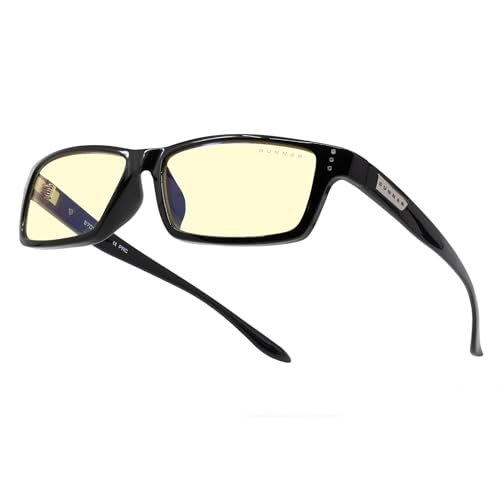
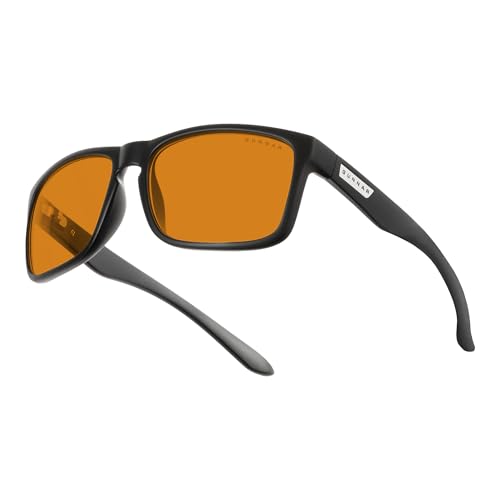
Screen filters and blue light glasses play key roles in offices with heavy digital device use. I recommend high-transmission filters for computer monitors—brands like 3M and Ocushield reduce blue light wavelengths in the 415–455 nm range without distorting display color. For eyewear, I favor lenses certified for at least 40% blue light blocking in the high-energy visible (HEV) spectrum, such as those by Felix Gray and Gunnar. Employees who wear prescription glasses often benefit from clip-on blue light filters, while contact lens users can try blue-filtered lens coatings. I’ve noticed fewer headaches and less eye fatigue among agents who consistently use these solutions at their desks.



Workspace Design and Lighting Adjustments
Workspace design and lighting adjustments minimize unnecessary blue light and improve comfort. I always suggest using indirect ambient lighting instead of harsh overhead LEDs—lamp shades or adjustable desk lamps soften glare and lower blue light reflection on screens. Arranging monitors perpendicular to windows helps avoid direct natural light on displays, reducing both reflection and extra glare. I remind teams to choose warm-toned bulbs (around 2700–3000 Kelvin) for office fixtures since these emit less blue energy. Offices that install dimmers or smart lighting systems see marked improvements in visual comfort and focus during long screen sessions.
Promoting Healthy Screen Habits Among Employees
Promoting healthy screen habits in real estate teams boosts eye health and productivity. I encourage following the 20-20-20 rule: every 20 minutes, glance at something 20 feet away for 20 seconds—this habit helps relax eye muscles. I ask office managers to schedule periodic breaks or set reminders, which keeps agents from getting locked into hours of uninterrupted device use. Digital wellness training—short sessions covering blue light effects and practical protection tips—empowers staff to spot early signs of eye strain, like dryness or blurred vision. In my experience, workplaces that encourage regular screen breaks and digital wellness education report fewer eye complaints and better overall energy.
Choosing the Right Blue Light Protection Solutions for Real Estate Offices
Selecting the best blue light protection in real estate offices demands careful attention to both technology and office workflows. I prioritize solutions that fit long screen hours and typical device use in this field.
Evaluating Available Products and Technologies
I carefully assess blue light products using performance data, certifications, and feedback from real estate professionals.
- Screen Filters: I recommend adhesive filters and clip-on panels for monitors and laptops. Brands like Ocushield and 3M provide filters that cut high-energy visible (HEV) blue wavelengths by 30%–60%, reducing glare on office displays.
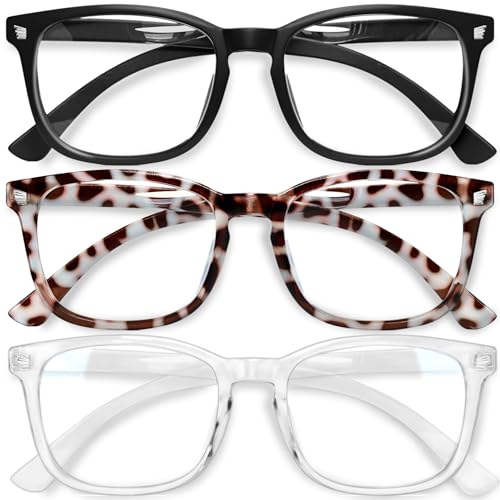
- Blue Light Glasses: I select glasses with clear or lightly tinted lenses blocking 20%–40% of blue light for daytime use—options from Felix Gray and Gunnar balance protection with color accuracy, essential for reviewing property photos and floor plans.
- Software Solutions: I suggest installing brightness and color temperature adjustment apps, such as f.lux and Windows Night Light. These tools help auto-reduce blue light during evening hours while maintaining display clarity for virtual tours and meetings.
- Lighting Adjustments: I check that office lighting uses LED bulbs with a color temperature below 4000K to lower indirect blue light exposure. Philips Hue and GE Lighting offer tunable options for real estate office settings.
Tips for Successful Implementation
Launching blue light solutions in real estate offices works best with systematic steps that match everyday workflows.



- Assess Individual Needs: I start with a quick survey of office layouts, staff device use patterns, and any existing eye health complaints to choose personalized products.
- Pilot Test Solutions: I roll out sample glasses and screen filters to a few agents and support staff for two weeks, tracking eye strain and productivity with daily logs.
- Promote Healthy Practices: I place reminder signs near desks for the 20-20-20 screen break rule and include blue light hygiene in onboarding materials for new agents.
- Monitor and Adjust: I gather regular feedback to identify what improves comfort and visualize device usage reports, adjusting protection options accordingly.
- Educate and Support: I host short lunch-and-learn sessions to demonstrate protective gear and discuss recent findings on blue light health implications, boosting officewide buy-in.
Real estate teams experience better comfort and sustained focus when these blue light strategies get tailored to their daily habits and office environment.
Conclusion
Taking blue light protection seriously has made a real difference in my daily work routine. I’ve noticed that even small adjustments can boost my comfort and help me stay more focused throughout the day.
As real estate professionals we’re always on the go but our eyes still need care and attention. I’m glad I made blue light protection a priority and I encourage others in the industry to do the same. Your eyes—and your energy—will thank you.
