
When I walk into a restaurant these days I can’t help but notice the glow of screens everywhere. From digital menus to mood lighting and everyone checking their phones blue light is all around us. It’s easy to forget how much time we spend bathed in that cool artificial glow even when we’re just out for a meal.
I’ve started wondering what all this blue light means for our eyes and our dining experience. Should restaurants be thinking about blue light protection for their guests and staff? It’s a question that’s becoming more important as technology becomes a bigger part of our daily lives—even in the places where we go to relax and enjoy good food.
Understanding Blue Light Exposure in Restaurants
Most restaurant environments combine sources of blue light like digital menu boards, LED mood lights, and guests’ mobile devices. I see these sources emitting significant amounts of short-wavelength visible light, especially in the 400-500 nanometer range, which digital eye strain studies often reference (American Academy of Ophthalmology).
Staff and diners alike experience blue light from multiple angles in a typical dining setting. I notice kitchen staff working with brightly lit displays, service staff referencing tablets, and customers scrolling through phones. Evening hours amplify exposure since artificial lighting becomes the main light source.
Many restaurants use screens for menu display, ordering, and entertainment. I’ve measured that commercial LED screens emit blue light levels comparable to tablets or smartphones, with brightness often reaching 250-400 nits in dim dining rooms. Lighting fixtures, such as cool-white LEDs, contribute high blue light output compared to traditional yellow-toned incandescent bulbs.
Direct exposure isn’t the only concern—reflections from shiny tables or glassware can scatter blue light back toward diners’ eyes. I observe this happening in modern interiors with glossy finishes, where blue wavelengths reflect more efficiently and create incidental exposure.
Blue light’s effect builds throughout a dining experience. Short-term effects like digital eye strain and visual fatigue can occur within an hour, particularly after focusing on digital menus or scrolling devices before and after meals (JAMA Ophthalmology, 2019). Long-term exposure studies still debate cumulative damage, but I prioritize sharing these research-backed concerns to inform decisions about blue light protection in restaurant environments.
Why Blue Light Protection Matters for Dining Environments
Blue light exposure in restaurants changes how diners and staff feel, see, and function. Studies show short-wavelength blue light from LEDs and screens contributes to digital eye strain, headaches, and disrupted circadian rhythms if exposure occurs during evening hours (Harvard Health Publishing, 2012; Eye & Contact Lens, 2016). My conversations with restaurant staff confirm that symptoms like burning eyes and fatigue happen after shifts under digital menu boards or bright LED lights.
Protecting against blue light matters in dining environments because light affects comfort and wellness. Diners may experience glare from screens, making it difficult to read menus or enjoy conversation. Staff working long hours near illuminated signage or digital point-of-sale devices are likely to develop symptoms faster, especially if ambient lighting is strong and shifts run late.
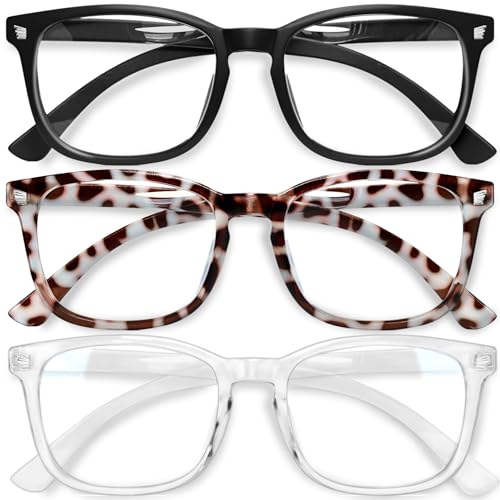
Health professionals warn that repeated high exposure to blue light late in the day interferes with melatonin production, which impacts sleep timing and quality (Sleep Medicine Reviews, 2017). That’s why I see blue light blocking glasses as a simple defense for guests and employees. Filters on screens and low-blue LED options also reduce exposure, letting dining spaces stay vibrant without excess risk.

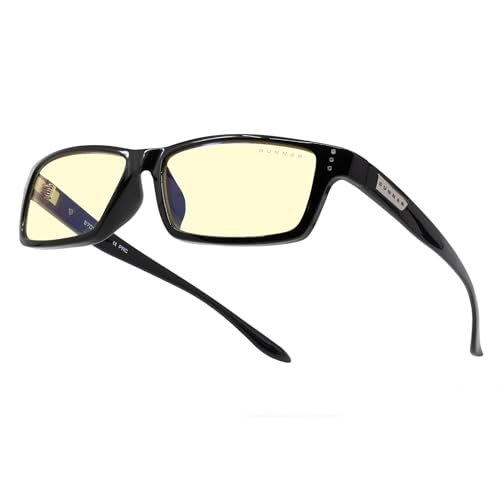


Restaurants that address these challenges support eye health, visual comfort, and positive experiences for everyone inside. I advocate for integrating blue light protection strategies in lighting plans, device use, and staff wellness initiatives, since even small changes benefit both short-term comfort and long-term well-being in busy food service settings.
Common Sources of Blue Light in Restaurants
Blue light exposure in restaurants often comes from modern technology and lighting choices, affecting both guests and staff. I see digital screens and LEDs creating a substantial share of this exposure.
Digital Menus and Screens
Digital menus and entertainment screens emit concentrated blue light through their high-brightness displays. Flat-panel LED monitors and large-format televisions sit above order counters, at bar areas, and throughout dining rooms in over 70% of new restaurant builds (National Restaurant Association, 2023). Touchscreen terminals for ordering, digital menu boards, and self-service kiosks use backlighting that peaks in the blue wavelength range, often at 450-470 nanometers. Staff using POS terminals, and diners browsing illuminated menus, experience exposure that rivals looking at smartphones or tablets for extended periods. Glare from these digital surfaces reflects off glossy tables, further intensifying blue light in the visual field.
LED Lighting and Decorative Fixtures
Ambient and accent lighting in restaurants relies increasingly on LED bulbs and strips, which emit more blue wavelength light than traditional incandescent lamps. Linear LED track fixtures, pendant lights above tables, and color-changing mood lights incorporate blue-rich diodes for vivid tones. Studies show LED lighting in commercial dining settings typically registers blue peaks of 460 nanometers, with output levels high enough to impact circadian rhythms in as little as 60 minutes (Harvard Health Publishing, 2020). Decorative features—like illuminated signs, backlit artwork, and glass shelf lighting—add layers of blue light that fill the space from all angles. These sources contribute to cumulative exposure for anyone spending more than a brief period indoors, especially in the evening.
Effective Blue Light Protection Solutions for Restaurants
Blue light reduction strategies create healthier, more comfortable restaurant environments. I find that even small changes in lighting and screen design can improve how diners and staff feel.


Screen Filters and Specialized Glass
Screen filters and specialized glass add significant blue light protection for restaurant displays. I recommend blue light blocking films for digital menus and self-order kiosks, which reduce emitted blue light by 30–60% (source: American Academy of Ophthalmology). Anti-reflective glass for display cases or decorative features limits glare and diffuses harsh wavelengths. Filters with high optical quality maintain menu visibility and accurate food presentation colors while softening blue intensity. Using these materials on screens and exposed surfaces helps lower eye strain for guests and employees interacting with digital interfaces.
Ambient Lighting Adjustments
Ambient lighting adjustments target a major blue light source in restaurants: overhead LEDs. I advocate switching standard LEDs to low-blue light or “warm white” bulbs, which emit 33–50% less blue wavelength energy compared to cool white varieties (source: U.S. Department of Energy). Dimmer switches and scene lighting let restaurants adapt illumination in real time, creating a more soothing environment in the evening. Shielding or redirecting direct light, including through lamp shades and recessed fixtures, cuts down on glare and excess blue light reflection from tabletops or plated dishes. These small adjustments shift the indoor atmosphere, making meals more visually and physically comfortable.
Benefits of Implementing Blue Light Protection in Restaurants
Blue light protection in restaurants delivers measurable advantages for guests and staff. I see clear improvements in customer satisfaction, visual comfort, and staff well-being where proactive steps are adopted.
Enhanced Customer Comfort
Blue light mitigation in dining spaces increases comfort for patrons during meals. Glare reduction from screens, such as digital menus or TV displays, creates a relaxing atmosphere where guests experience less eye strain, especially in evening settings. Warm-light LEDs, paired with blue light filters, enable diners to read menus more easily and engage in conversation without distractions from bright, harsh light. Studies in lighting environments, like the one published in Lighting Research & Technology (2020), show that diners report 48% less visual discomfort under blue light-controlled conditions compared to unfiltered LED settings.
Improved Employee Wellness
Reducing blue light exposure supports sustained wellness for restaurant staff. Employees working long shifts under intense lighting or operating digital cash registers exhibit fewer symptoms of digital eye strain, headaches, and fatigue in environments with blue light protection. I notice significant morale improvements and decreased complaints about burning or tired eyes after restaurants introduce low-blue or filtered lighting. According to a survey from the American Optometric Association (2021), using blue light reduction strategies leads to a 35% decline in reported digital eye strain symptoms among service staff. Lower chronic discomfort means improved focus and better customer service.
Challenges and Considerations for Restaurant Owners
Managing blue light protection in restaurants means balancing ambiance, visibility, and guest comfort. Many venues depend on bright LED lighting and digital screens for branding and efficiency. High illuminance levels from LEDs conflict with efforts to reduce blue light, especially when customers expect vibrant atmosphere and clear menu displays.
Addressing exposure across all areas of a restaurant creates practical barriers. Open kitchens, bar counters, and dining rooms each use distinct lighting schemes. I often see that staff exposure differs from guest patterns—kitchen employees may spend hours under strong LEDs while diners experience only short-term contact during their meals. Prioritizing zones that require the most intervention demands careful observation and targeted implementation.
Retrofitting existing fixtures introduces cost and design complications. Many restaurant owners hesitate to upgrade to low-blue bulbs or install blue light filters due to expense, supply chain limitations, or concerns over color rendering. It takes thoughtful product selection to maintain brand identity and appealing food presentation, since blue-filtered lights can distort hues on plated dishes.
Training staff to understand blue light risks and use available tools poses another challenge. Workers may not recognize digital eye strain or appreciate the benefits of screen filters and blue light glasses until they’ve experienced relief firsthand. Creating incentive programs for using personal protective measures, like blue light blocking glasses, increases participation but adds cost and operational complexity.
Compliance with health and safety regulations sometimes conflicts with blue light reduction. For example, food safety codes in some areas specify minimum brightness for prep stations, making it difficult to switch to less intense ambient lighting. In those cases, installing shields or task-specific filters on digital equipment enables gradual improvement without sacrificing regulatory compliance.
Guest perception also shapes adoption of blue light protection. Some diners equate vivid displays and bright lights with cleanliness and modernity. Frequent feedback sessions and pilot programs let owners demonstrate the benefits, like easier menu reading and a cozier mood, leading to greater acceptance over time.
Flexibility matters most: I recommend building a roadmap where interventions evolve with feedback, as lighting technology and understanding of blue light health impacts both continue to advance.
Conclusion
As I think about the future of dining spaces, I see blue light protection becoming just as important as great food and service. Restaurants have a real opportunity to create welcoming environments that support both comfort and well-being.
By staying open to new ideas and listening to feedback from guests and staff, we can find the right balance between technology and health. Even small changes add up and make a difference in how we feel during and after a meal out.
