
Whenever I walk into a retail store these days, I can’t help but notice how everything seems to glow a little brighter. Digital screens, LED lights, and vibrant displays are everywhere, creating an eye-catching atmosphere that pulls me in. But all this brightness comes with a hidden side effect—constant exposure to blue light.
I’ve started to wonder about the impact this has on my eyes, especially after long shopping trips. It turns out I’m not alone. More people are talking about blue light protection in retail environments and how it can make a real difference for both shoppers and employees.
Understanding Blue Light and Its Risks
Blue light sits at the high-energy, short-wavelength end of the visible light spectrum. Digital screens, LED lighting, and modern retail illumination all emit significant levels of blue light. I often see this type of lighting in retail stores, where it creates sharp displays but brings specific risks to eye health.
Exposure to blue light can cause digital eye strain, which includes symptoms like dry eyes, headaches, and blurred vision. Research published in the journal “BMJ Open Ophthalmology” links prolonged blue light exposure from screens and LED lights to disrupted sleep patterns and increased fatigue. Studies from the American Optometric Association report a higher risk of discomfort in employees and shoppers who spend over 2 hours daily under blue-rich LEDs.
Blue light also plays a role in circadian rhythm regulation. Intense or late-day exposure—for example, from overhead lighting during night shifts—can delay melatonin production, interfering with normal sleep cycles. Employees in retail environments, especially those with extended work hours or rotating shifts, could experience persistent sleep issues due to this disruption.
Sensitive groups, like children and people with preexisting eye conditions, face greater risk of cumulative damage. Several studies suggest long-term blue light exposure may contribute to retinal stress, according to findings in “Ophthalmic and Physiological Optics.” Blue light glasses and filters, now increasingly visible in retail environments, aim to reduce this exposure and support eye health for both shoppers and staff.
The Growing Concern of Blue Light Exposure in Retail Stores
Blue light exposure in retail stores draws increasing attention as digital displays and modern LEDs dominate interiors. My experience shows this trend creates persistent risks for employees and shoppers who spend hours under these light sources.
Common Sources of Blue Light in Retail Environments
Store lighting and digital signage produce the most blue light in retail spaces. Overhead LEDs, common in chain stores like Target or Walmart, emit strong blue-rich wavelengths that brighten product displays and aisles. Customer-facing screens, including self-checkout kiosks and promotional video walls, contribute substantial blue light. Portable point-of-sale tablets and computers at checkout terminals add to cumulative exposure, especially for cashiers who use them continuously through a shift. Even decorative fixtures with cooler color temperatures—such as LED strip lights or illuminated shelving—emit higher levels of blue light than incandescent bulbs.
Health and Wellbeing Impacts on Retail Employees and Shoppers
Continuous blue light exposure in retail settings contributes to digital eye strain among both employees and customers. Eye strain symptoms I often observe include dry eyes, headaches, and difficulty focusing—especially after three or more hours spent in bright retail environments. Studies from the American Optometric Association confirm that blue-emitting screens can suppress natural melatonin production, disrupting sleep and causing fatigue. Night-shift workers in retail, who face these conditions during circadian lows, are most susceptible to sleep disturbances linked to blue-rich lighting.
Children and adults with preexisting sensitivities experience stronger discomfort and longer-term effects. For customers, short shopping trips add up over repeated visits, while employees accumulate hours of exposure weekly. Blue light filtering glasses and display filters help minimize these adverse outcomes, and I notice more retailers adopting these solutions to enhance wellbeing for everyone in the store.



Current Solutions for Blue Light Protection in Retail Stores
Shoppers and store employees stay exposed to blue light through screens and LED lighting for hours at a time. I regularly see retailers trying new approaches to limit blue light intensity without sacrificing visibility or aesthetics.
Blue Light Filtering Lighting and Displays
Retailers use specialized LED lights and screen filters to lower blue light emissions. Blue light filtering LEDs often shift color temperatures to around 3000K, which emits less blue wavelength energy than standard 5000K white LEDs. Some stores install display panels with built-in blue light reduction, which use coatings or digital settings to filter high-energy visible (HEV) light. Apple uses Night Shift in store iPads, and Samsung commercial displays can activate Eye Saver Mode—both reduce blue spectrum output by up to 30%. By changing lighting standards and display settings, retailers make environments more comfortable for prolonged viewing.
Wearable Blue Light Protection Options
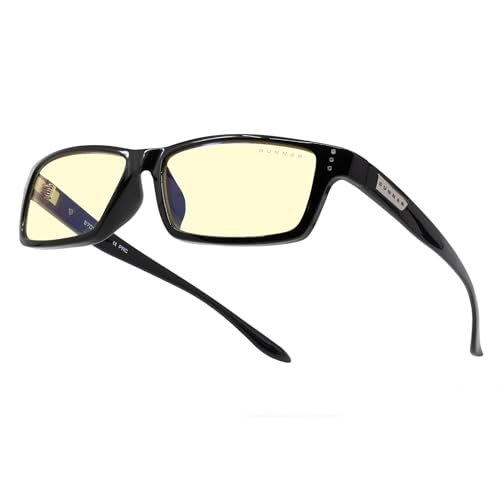
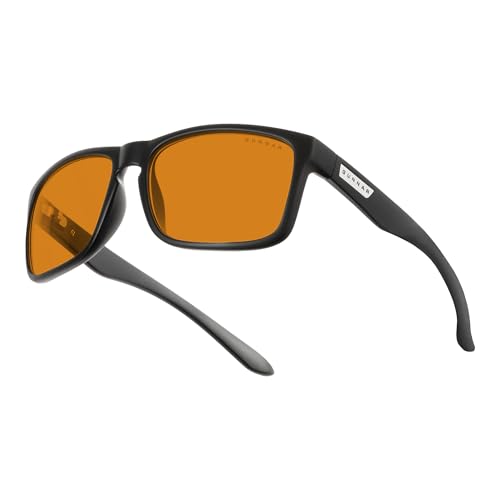
Many employees turn to blue light blocking glasses with specialized lenses that absorb or reflect HEV blue wavelengths. Clear lenses filter up to 30% of blue light, while amber-tinted or yellow lenses increase blue light filtration to around 50%—models from brands like Gunnar and Felix Gray are popular for long shifts. Retailers provide sample blue light glasses for customers and employees during seasonal sales or at tech counters to highlight eye comfort benefits. Store-issued glasses, combined with anti-reflective coatings, help reduce discomfort from digital eye strain in high-exposure settings.
Benefits of Implementing Blue Light Protection in Retail Stores
Applying blue light protection strategies in retail stores directly supports the well-being of employees and shoppers. I see several core advantages for both groups when these solutions get put in place.
Enhanced Employee Comfort and Productivity
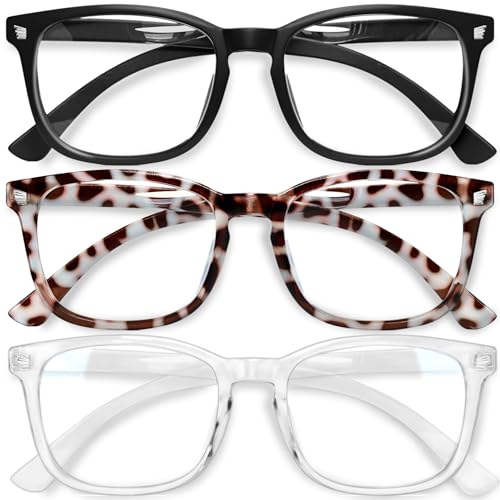
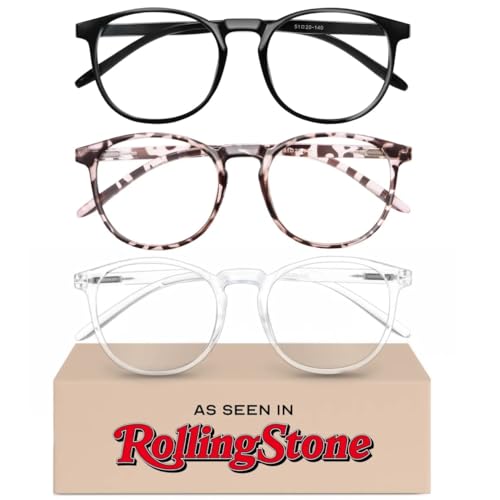
Blue light protection in retail stores helps manage digital eye strain among staff. Employees exposed to blue-rich LEDs and screens for over four hours daily commonly experience symptoms like headaches and tired eyes, as noted by the American Optometric Association. I’ve seen that stores using blue light filtering glasses or LED filters report measurable drops in eye fatigue and irritation complaints from staff.


Reduced visual discomfort correlates with higher alertness and better task focus. Productivity rises when staff can spend more time helping customers rather than taking breaks to rest their eyes. Frequent feedback from retail associates in stores with filtered lighting consistently highlights improved comfort, fewer headaches, and more stable energy during late or overnight shifts.
Improved Customer Shopping Experience
Installing blue light protection solutions in retail environments creates a noticeably more comfortable atmosphere for shoppers. Shoppers spending over 60 minutes in brightly lit stores frequently report eye fatigue and visual discomfort, especially those susceptible to migraines or sensitive to lighting changes.
When I tour stores with filtered lighting or digital displays using blue light films, customers often engage longer with displays and express greater satisfaction with their in-store experience. Clear signage and sample blue light glasses stations invite shoppers to learn about eye health, boosting trust in the retailer’s concern for customer well-being. Many guests mention they leave these environments with less eye strain and a more positive impression of their visit.
Challenges and Considerations for Adoption
Navigating blue light protection in retail stores brings practical and operational challenges. My experience shows that stores aiming for effective solutions run into distinct barriers, from balancing costs to ensuring everyone knows the benefits.
Cost and Integration Factors
Implementing blue light filtering measures in retail stores involves up-front investment. Stores weighing options like blue light filtering LEDs, specialized display filters, and glasses sets often find costs can range from $10 for basic glasses to $80 per overhead filter, based on recent industry surveys. Upgrading all screens or switching lighting across a large footprint means multiple expenses. Integrating these solutions with existing store design and lighting systems may call for technical adjustments, especially in older locations built before LED retrofits became standard.
Stores in high-traffic locations with many digital displays face additional challenges. Fitting every screen with a quality filter increases costs and, in some cases, can reduce screen clarity or affect aesthetics if the store relies on vibrant merchandising. Retailers trying to balance blue light reduction with a welcoming, visually engaging space need expert guidance to avoid negative impacts on shopper experience.
Employee Training and Customer Awareness
Building a culture that values blue light protection depends on comprehensive employee training and clear customer communication. My research shows that staff using filtered screens or blue light glasses daily see tangible comfort improvements only when they know how to use these tools correctly and consistently. Training sessions must focus on proper glasses care, understanding filter limits, and identifying signs of digital eye strain. Consistent reminders help sustain these habits in busy retail environments.
Raising customer awareness means going beyond simply offering sample glasses at the counter. Stores educating shoppers through signage, digital displays, and associates’ recommendations foster engagement and build trust. Customers informed about blue light health risks often engage longer, wear glasses more readily, and share positive feedback. If retailers don’t prioritize ongoing, personalized education, the adoption of blue light solutions tends to plateau regardless of the investment in hardware.
Conclusion
As I think about the future of retail spaces, I see blue light protection becoming a standard part of store design and employee care. Prioritizing eye health benefits everyone in the store, making shopping more enjoyable and workdays more comfortable.
I’m excited to watch retailers continue exploring new ways to create safer, healthier spaces for both staff and shoppers. With a little effort and the right tools, we can all look forward to brighter days—without the eye strain.
