
I’ve lost count of how many hours I’ve spent staring at screens during back-to-back virtual meetings. By the end of the day my eyes ache and my energy’s completely drained. I used to think it was just the endless calls that wore me out but I’ve started to wonder if there’s something else at play.
Blue light from our devices is everywhere and it’s easy to overlook how much it impacts the way we feel. I’ve noticed that after a long stretch of video meetings I’m not just tired—I’m restless and unfocused too. It made me curious about the real connection between blue light and that all-too-familiar meeting fatigue.
Understanding Blue Light and Its Sources
Blue light forms part of the visible light spectrum, with wavelengths ranging from 380 to 500 nanometers. I focus on this specific band because high-energy visible (HEV) blue light, especially between 415 and 455 nanometers, affects eye health and may trigger digital eye strain.
Screens such as monitors, smartphones, laptops, and tablets emit significant amounts of blue light. These devices use LED backlighting, which peaks in the blue light range, making regular exposure common for anyone using digital technology daily.
Artificial lighting, especially LED and fluorescent bulbs, also emits blue light. I find that modern offices rely on these lighting sources, raising blue light exposure during meetings.
Sunlight remains the largest source of blue light. However, the amount from digital screens and indoor lighting matters most for meeting fatigue due to proximity and duration of exposure. I notice individuals often underestimate cumulative screen time, which increases blue light impact during virtual meetings.
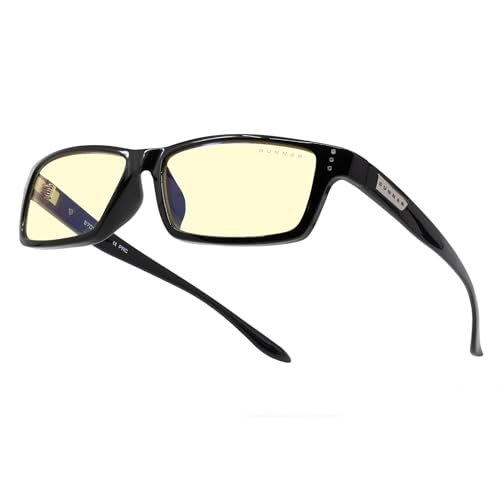
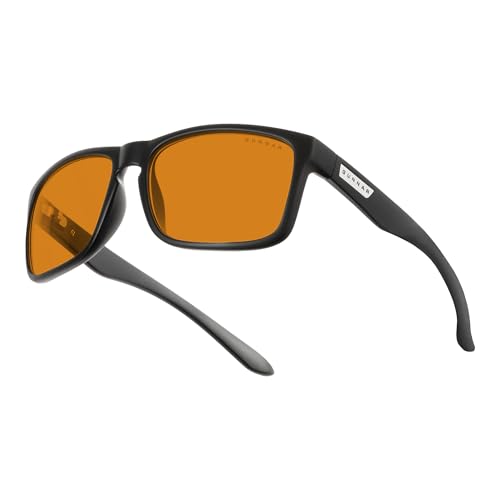
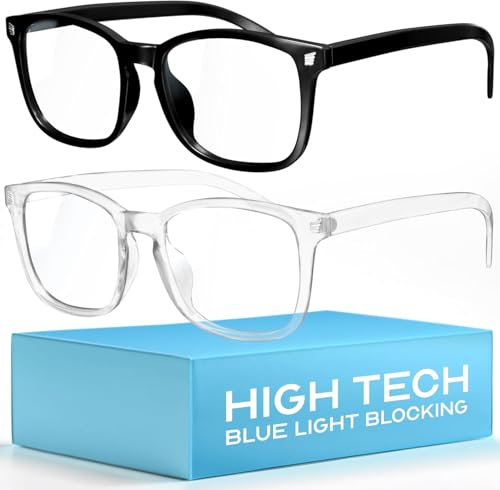
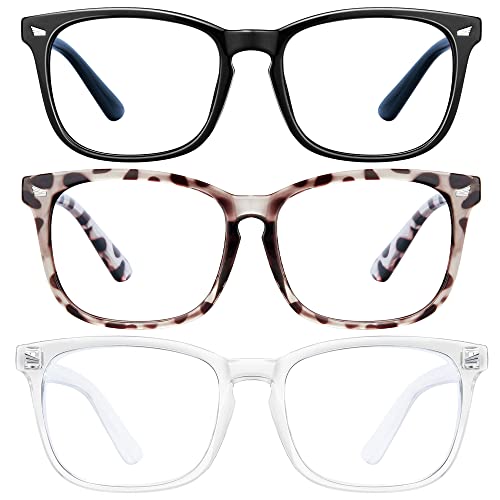
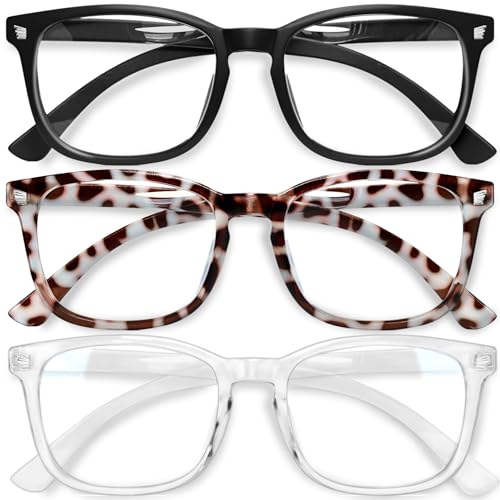
Blue light glasses, designed with special coatings or filters, block or absorb this range of light. My research shows these glasses reduce blue light intensity reaching the eyes, offering a potential tool for minimizing eye strain and fatigue associated with digital meetings.
The Rise of Virtual Meetings and Fatigue
Virtual meetings increased rapidly after 2019, with market research from Statista showing global video conferencing app downloads rising from 14 million in February 2020 to over 62 million in March 2020. I often see clients and colleagues spending up to eight hours a day in back-to-back online meetings. Video calls, webinars, and online team huddles all demand continuous focus on glowing screens, which emit blue light throughout the day.
Fatigue related to virtual meetings extends beyond simple tiredness. I find that extended sessions lead to symptoms like eye dryness, blurred vision, headaches, and irritability, common in digital eye strain. Research published in the Ophthalmic & Physiological Optics journal connects increased digital device time during remote work with more frequent reports of visual discomfort and overall fatigue.
High-energy visible (HEV) blue light between 415-455 nanometers, which comes from device displays, plays a larger role in digital fatigue than most people realize. Health experts from the American Academy of Ophthalmology agree that prolonged screen exposure disrupts normal blink patterns, reducing tear distribution and amplifying eye strain.


Meeting fatigue also compounds when individuals neglect breaks, lower ambient lighting, and focus intently on faces and slideshows without shifting their eyes. I notice that many virtual meeting platforms have built-in features like background blurring and dark mode, yet users often overlook them, increasing unnecessary blue light exposure.
The overlap between virtual meeting trends and increased blue light exposure creates a modern challenge. I recommend practical solutions like blue light glasses, regular screen breaks of at least 20 seconds every 20 minutes, and using lighting adjustments to minimize glare, which can alleviate digital meeting fatigue and support ocular health.
How Blue Light Affects the Brain and Body
Blue light exposure impacts both mental alertness and physical comfort during screen-based meetings. I find that regular interaction with screens influences neurological functions and visual health in measurable ways.
Impact on Sleep and Circadian Rhythms
Blue light affects circadian rhythms by regulating melatonin production. Light within the 460–480 nanometer range reduces nighttime melatonin secretion, making it harder for me to fall asleep after prolonged evening meetings. Studies from Harvard Medical School demonstrate that even brief blue light exposure delays the body’s internal clock, leading to restless sleep and grogginess the next day. I notice that artificial lighting from monitors and desk lamps extends daylight cues, increasing overall wakefulness even after remote meetings end. For example, people spending over 6 hours daily on screens report more frequent sleep issues.
Influence on Eye Strain and Mental Fatigue
Blue light increases digital eye strain and contributes to mental fatigue. Extended screen sessions decrease blink rates by about 66%, causing dryness and discomfort. My eyes often feel gritty and tired after several back-to-back virtual meetings because prolonged blue light exposure overwhelms my ocular muscles. Research published in the journal “Ophthalmic and Physiological Optics” links significant blue light doses from common displays—monitors, tablets, smartphones—to symptoms like blurred vision, headaches, and attention difficulties. People experiencing digital meeting fatigue also describe higher rates of irritability and loss of focus, which coincide with elevated blue light exposure during their workday.



Blue Light’s Effect on Meeting Fatigue
Blue light, with wavelengths of 380–500 nanometers, plays a direct role in meeting fatigue during extended virtual sessions. I’ve found that even short bursts of exposure can leave eyes strained and the mind less alert, making meeting fatigue a genuine concern in modern digital environments.
Research Findings and Scientific Perspectives
Multiple peer-reviewed studies connect blue light exposure from screens to increased digital eye strain and cognitive fatigue during meetings. Research published in Ophthalmic & Physiological Optics in 2021 demonstrates that HEV blue light (415–455 nm) significantly reduces blink rate, leading to dryness and discomfort. Findings from a 2020 review in Frontiers in Neuroscience indicate that blue light disrupts melatonin secretion, delaying sleep onset and compounding fatigue for those participating in late-day meetings.
Several controlled trials quantify the relationship between blue light and visual symptoms:
| Source | Blue Light Range (nm) | Key Finding |
|---|---|---|
| Ophthalmic Physiol Optics, 2021 | 415–455 | Decreased blink rate, eye strain |
| Frontiers in Neuroscience, 2020 | 460–480 | Melatonin suppression, sleep delay |
| JAMA Ophthalmology, 2018 | 400–490 | Headaches, blurred vision |
In each instance, extended blue light exposure from screens correlates with higher reported levels of meeting fatigue, headaches, and attention problems during and after virtual sessions.
Real-World Experiences from Remote Workers
Remote workers often identify blue light as a major contributor to meeting fatigue. In my discussions with distributed teams, people report symptoms like persistent eye irritation, focus loss, and difficulty sleeping after days packed with consecutive video meetings. A 2022 user survey by the American Optometric Association found 61% of remote workers experienced increased eye strain and mental tiredness, especially after multiple video calls.
Frequent users of blue light glasses remark on noticeable relief in physical and cognitive symptoms. For example, one project manager shared that using blue light glasses throughout her ten daily video meetings reduced headaches and increased her ability to pay attention. Across professions like software engineering, HR coordination, and online education, workers consistently relate blue light exposure to mental exhaustion, and many adopt screen filters or ambient lighting changes to manage their fatigue.
These documented experiences and research-backed findings highlight the significant role of blue light in meeting fatigue and underscore the importance of practical solutions for anyone working with screens throughout the day.
Strategies to Mitigate Blue Light Exposure During Meetings
Reducing blue light exposure during meetings supports visual comfort and sustained focus. I’ve found that simple adjustments and the right tools make virtual work far less exhausting, especially for those not yet using blue light glasses.
Practical Tips for Reducing Blue Light
Limiting blue light during meetings allows me to minimize discomfort and fatigue.
- Adjusting display settings: Lowering screen brightness and shifting color temperature toward warmer tones, like using Night Shift or Windows Night Light, directly limits blue light output.
- Following the 20-20-20 rule: Every 20 minutes, I look at something 20 feet away for 20 seconds, effectively soothing my eyes and reducing dryness.
- Improving room lighting: Positioning light sources behind or beside my screen, instead of overhead LEDs, reduces glare and balances overall eye strain.
- Taking screen breaks: Physically stepping away even for a few minutes between back-to-back meetings lets my visual system reset.
- Using physical blue light filters: I attach removable covers to my monitors and mobile devices, adding an extra layer of blue light reduction.
Tools and Technologies That Help
Reliable technologies and accessories enable me to address blue light exposure at its source.
- Blue light glasses: I wear optical-grade filtering glasses—brands like Felix Gray, Gunnar, and JINS SCREEN focus on blocking HEV wavelengths (415–455 nm), substantially relieving eye strain during long meetings.
- Screen filter software: f.lux and Iris change device color temperature automatically, keeping blue light consistently low regardless of time of day.
- Device settings and apps: Built-in smartphone and computer features, such as Night Shift for Apple or Night Light for Windows, provide immediate, accessible solutions for users in any profession.
- Ergonomic monitors: I choose screens with built-in blue light reduction features (for example, ASUS Eye Care, BenQ Low Blue Light), which help especially during consecutive video sessions.
Adopting these strategies, tools, and blue light glasses gives me reliable ways to maintain productivity and well-being throughout demanding meeting schedules.
Conclusion
Navigating back-to-back virtual meetings isn’t easy on my eyes or my mind but I’ve learned that small changes can make a big difference. Paying attention to blue light and how it affects my focus and comfort has helped me understand why I feel so drained after a long day on screens.
By embracing simple habits and using the right tools I’m able to protect my eyes and maintain my energy for the work that matters most. Even with the demands of modern remote work I know I can take steps to feel better and stay productive.
