
As a social worker I spend hours each day in front of a screen—whether I’m writing reports connecting with clients online or managing endless emails. It’s easy to lose track of time when I’m focused on helping others but lately I’ve started to notice my eyes feeling tired and strained by the end of the day.
I’ve heard a lot about blue light and its effects on eye health but I never really thought it could impact me. With so much of my work relying on digital devices I realized it’s important to understand how blue light might be affecting my eyes and what simple steps I can take to protect them.
Understanding Blue Light and Its Sources
Blue light sits in the visible light spectrum, with wavelengths ranging from 400 to 490 nanometers. I see blue light everywhere—in sunlight, LED lighting, flat-screen TVs, computers, tablets, and smartphones. Natural sources include the daytime sky, which exposes us to more blue light outdoors than any indoor setting. Artificial sources dominate indoor environments, especially in offices where social workers like me spend most hours.
Digital screens emit high concentrations of blue light, with laptops, smartphones, and tablets producing measurable levels. LED and fluorescent lighting add to indoor blue light exposure, making these sources critical concerns for anyone working long hours on screens. Multiple studies, such as those referenced by the American Academy of Ophthalmology, connect prolonged digital exposure to increased eye discomfort.
Environmental exposure data supports this focus, as the average American spends more than 7 hours a day on digital devices according to the Vision Council. Social workers often exceed this figure, which increases cumulative exposure. Identifying these sources helps me share real solutions to limit and manage blue light effects on eye health.
How Blue Light Affects Eye Health
Blue light directly affects the eyes, especially for social workers who rely on screens throughout each workday. I focus on the specific symptoms and long-term risks that result from this exposure.
Common Eye Strain Symptoms Among Social Workers
Eye strain symptoms consistently occur among social workers who use digital devices longer than 7 hours daily. I see frequent complaints of dry eyes, headaches, blurred vision, and difficulty focusing, with sources like the American Optometric Association listing these as classic signs of digital eye strain. Real cases show that even after short video calls or lengthy documentation, eyes can feel tired or irritated. Reports link increased blue light exposure to decreased blink rates and worsening discomfort.
Long-Term Risks of Blue Light Exposure
Long-term exposure to blue light increases potential risks for various eye health problems documented by scientific reviews. Research from the National Center for Biotechnology Information connects blue light to cumulative retinal stress, potentially contributing to age-related macular degeneration over time. For computer-heavy professions like social work, persistent exposure may intensify oxidative stress in retinal cells. Risk only increases if consistent blue light protection strategies aren’t used, as highlighted by the Vision Council and other health authorities.
Blue Light Exposure in the Daily Routine of Social Workers
Blue light touches nearly every part of a social worker’s day. I often notice that understanding how, when, and where this exposure happens makes a real difference in eye comfort and long-term wellness.
Digital Devices in Social Work Practice
Digital devices represent the main source of blue light for social workers. I’ve seen laptops, used for client notes and case management; smartphones, for email, scheduling, and texting; and tablets, for remote visits and paperwork, dominate the workspace for over 7 hours daily. Video conferencing platforms like Zoom or Teams add continual exposure from glowing screens. According to the Vision Council, nearly 80% of Americans report using digital devices for more than 2 hours a day, and social workers frequently exceed that minimum. Regular, extended device use leads to more intense blue light impact.




Environmental Factors in Office and Field Settings
Environmental lighting adds another layer of exposure. In office settings, overhead LEDs, fluorescent bulbs, and large windows contribute consistent blue light—especially in modern workspaces designed for energy efficiency. I’ve found that fieldwork, though sometimes outdoors, exposes social workers to sunlight, a strong blue light source. Light reflecting off surfaces like cars, water, and glass compounds the effect. Some meeting rooms rely on compact LEDs for illumination, raising cumulative blue light emission during long sessions. Both natural and artificial lighting environments push total blue light exposure well past what most people recognize, making thoughtful lifestyle adjustments important for social workers.
Strategies to Protect Eye Health
I find it crucial to share efficient blue light protection strategies, especially for social workers logging extended hours on digital screens. Integrating simple adjustments and helpful tools minimizes blue light’s effects on eye health and supports comfortable screen use during long workdays.
Best Practices for Screen Use
I recommend these evidence-based screen habits, which help reduce blue light exposure:
- Adopting the 20-20-20 rule: I look at something 20 feet away for 20 seconds every 20 minutes—this relaxes my eye muscles and reduces eye strain, as documented by the American Optometric Association.
- Positioning screens optimally: I adjust my monitor so it’s at eye level and 20-28 inches from my face, which minimizes glare and reduces eye fatigue.
- Adjusting display settings: I decrease screen brightness and increase text size for comfort. I also enable “night mode” or “blue light filter” features on my digital devices to lower blue light emission.
- Prioritizing ambient lighting: I use soft, indirect natural or artificial lighting to lessen contrast between screens and the surrounding area, reducing visual fatigue.
- Taking regular breaks: I schedule 5–10 minute breaks every hour for activities away from screens, allowing my visual system to recover.
Tools and Products for Blue Light Protection
Several specific tools and products target blue light exposure effectively:
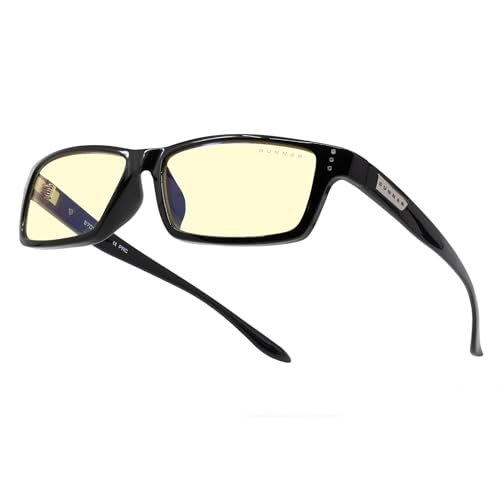
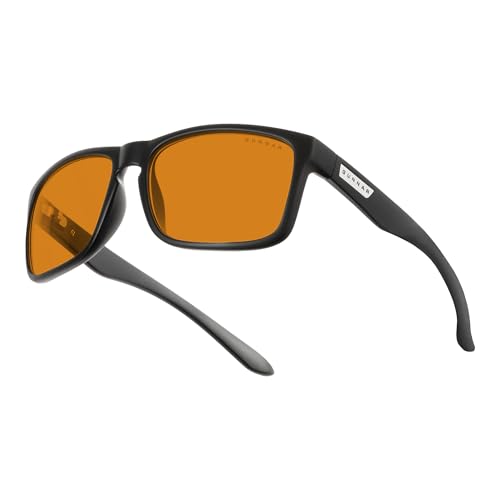
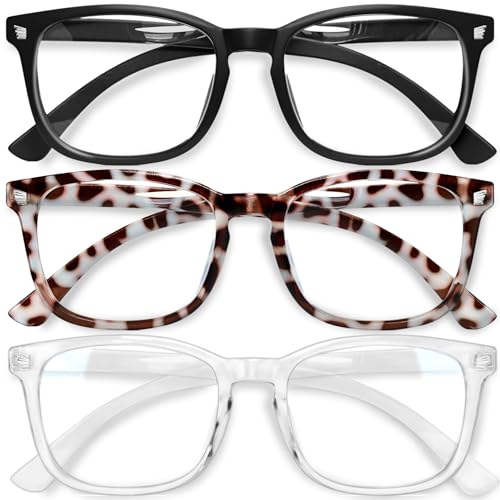
- Blue light filtering glasses: I wear blue light blocking glasses during intensive screen tasks. Studies, like those shared by the Vision Council, show these glasses reduce exposure to wavelengths between 400–490 nm. Options I use include brands like Felix Gray and Gunnar.
- Screen protectors: I apply blue light filtering films or screen protectors to my laptop or smartphone. Popular examples include Ocushield and EyeJust, which offer easy-to-install accessories for digital devices.
- Specialized software: I install applications such as f.lux and Iris, which automatically adjust my screen’s color temperature based on the time of day, significantly lowering exposure in the evening.
- Over-the-counter eye drops: I use lubricating eye drops recommended by my optometrist to relieve dryness after hours on digital devices.
By combining conscious screen habits with reliable blue light blocking tools, I create an effective, flexible approach that supports my eye health during demanding social work schedules.



Encouraging Healthy Eye Habits in the Social Work Profession
Prioritizing practical eye care habits helps social workers manage blue light exposure and minimize digital eye strain. I always recommend evidence-based strategies that can be implemented quickly in the workplace and beyond.
- Integrating Breaks Into Workflow
Implementing scheduled screen breaks lowers eye fatigue from blue light. I advocate for the 20-20-20 rule: every 20 minutes, look at something 20 feet away for 20 seconds. This simple technique reduces the cumulative strain I frequently see in colleagues after long stretches of digital tasks.
- Using Blue Light Glasses Consistently
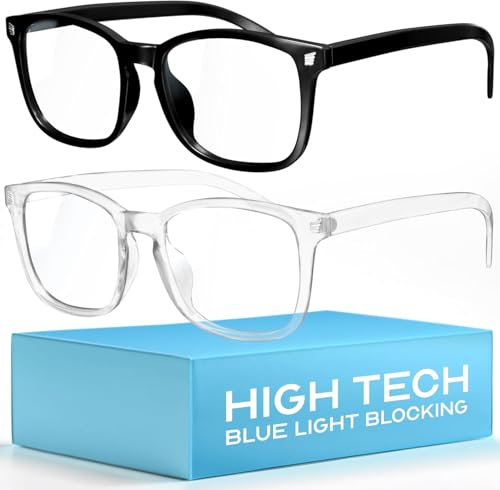
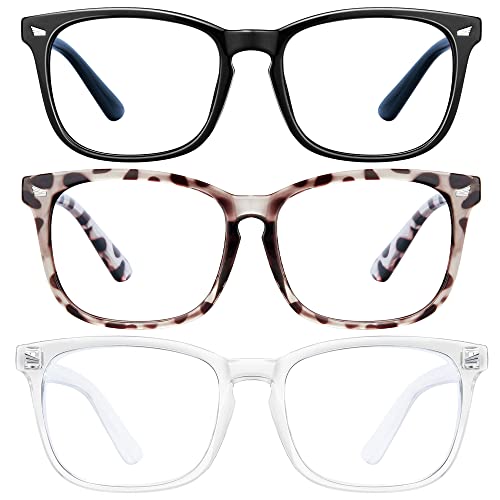
Wearing blue light filtering glasses reduces the intensity of high-energy visible (HEV) light reaching the eyes. I use these lenses daily and share research-backed benefits with coworkers. Blue light glasses with a filtering rate between 20% and 40% for wavelengths of 400-490nm provide real comfort, especially for those logging over 7 hours of screen time.
- Adjusting Screen Settings and Lighting
Modifying display brightness, contrast, and color temperature supports healthier vision. I apply night mode or blue light reduction features on devices, which shift screen output toward warmer tones. Soft, indirect ambient lighting further reduces harsh contrasts, making digital work less taxing for my eyes.
- Promoting Proper Screen Ergonomics
Positioning screens about 20-24 inches away and slightly below eye level prevents excessive eye strain. I fine-tune my desk setup by ensuring screens are centered and free of distracting glare from windows or overhead LEDs. These adjustments align with ergonomic guidance from the American Optometric Association.
- Prioritizing Eye Exams and Open Dialogue
Scheduling regular eye health checkups helps social workers catch vision changes early. I encourage supervisors to foster conversations around eye health and to provide blue light education during team meetings.
Enabling healthy habits at work transforms individual well-being and productivity. Social workers who learn about blue light and embrace protective measures experience fewer symptoms and maintain optimal eye health throughout their careers.
Conclusion
As a social worker I know how easy it is to overlook my own well-being while focusing on others. Taking small steps to protect my eyes from blue light has made a noticeable difference in my comfort and energy at the end of the day.
By making these changes part of my daily routine I’ve found it easier to stay focused and avoid the nagging symptoms of eye strain. It’s worth investing a little effort now to support my eye health for the long haul.
