
I spend hours in front of screens every day and I know I’m not alone. Whether I’m working on my laptop or scrolling through my phone late at night my eyes often feel tired and strained. That’s when I started looking into blue light glasses and discovered just how much they can help.
With so many options out there though it’s tough to figure out which pair really works. I want to make sure I’m choosing glasses that actually protect my eyes and fit my style too. If you’re wondering how to pick the best blue light glasses you’re in the right place.
Understanding Blue Light and Its Effects
I focus on the impact of blue light because increased screen exposure from phones, computers, and LED lighting intensifies its effects. Blue light sits in the high-energy visible (HEV) part of the light spectrum, spanning 400–490 nanometers. Screens and LEDs emit a higher proportion of this HEV blue light than older incandescent lighting sources.
Blue light exposure interferes with natural sleep cycles, according to research from Harvard Health and the American Academy of Ophthalmology. This visible light suppresses melatonin production, which disrupts sleep quality if exposure occurs late in the evening. Studies document increased difficulty falling asleep after evening screen use, for example, online gaming or binge-watching series.
Eye discomfort is another significant effect. HEV blue light scatters more than other visible wavelengths, causing visual noise that may increase digital eye strain. Common symptoms of this digital eye strain include headaches, blurred vision, dry eyes, and fatigue. People who spend more than 6 hours daily on screens—software engineers, graphic designers, and students, for instance—often report these symptoms.
Long-term effects, while still under scientific investigation, raise concerns among eye health professionals. Laboratory studies indicate that chronic blue light exposure could contribute to retinal damage, which emphasizes the importance of effective blue light filtering solutions for heavy screen users.
Key Features to Look for in Blue Light Glasses
When I evaluate blue light glasses for screen use, I focus on features that maximize both eye protection and daily comfort. Picking effective glasses involves more than grabbing the first pair you see—I look at specific components tied to lens quality, comfort, and verification.
Lens Quality and Coating
Lens quality determines how well blue light glasses filter high-energy visible (HEV) light from screens. I check for lenses that block at least 30% of blue light in the 400–455 nm range, since studies (e.g. Essilor, 2022) indicate this range most directly affects sleep and eye strain. I also look for anti-reflective coatings—these minimize glare and improve clarity. Scratch resistance matters too, since daily wear quickly leads to marks if the coating’s weak.
Frame Comfort and Style
Frame comfort impacts whether I actually wear blue light glasses for hours at a time. I opt for lightweight materials—like acetate or TR90 plastic—because they reduce pressure on my nose and ears. Adjustable nose pads help create a custom fit, especially if my face shape doesn’t suit every design. Balanced temples prevent the frames from slipping when I move. Style is personal, so I select colors and shapes that complement my look, making it easier to integrate glasses into my routine.
Certification and Testing Standards
Certification and independent test reports assure me that blue light glasses deliver what they claim. I look for glasses tested to international standards—like ISO 12312-1 or ANSI Z80.3 image clarity and blue light transmittance requirements. Third-party lab results, such as from SGS or TÜV Rheinland, back up blue light filtering claims. I check for a Certificate of Conformity (CoC) or a blue light transmission report in the product packaging or listing. This way, I know the glasses block the intended percentage of HEV light and meet quality benchmarks.


| Feature | Specification/Example | Source/Standard |
|---|---|---|
| Blue Light Blocked | ≥30% at 400–455 nm | Essilor, 2022 |
| Anti-Reflective Coating | Reduces glare and maximizes clarity | ANSI Z80.3 |
| Scratch Resistance | Durable for daily wear | Product testing |
| Lightweight Frame Material | Acetate, TR90 plastic | Industry standard |
| Adjustable Nose Pads | Custom fit | Product design specs |
| Certification | ISO 12312-1, ANSI Z80.3, CoC, Lab reports | SGS, TÜV Rheinland |
Comparing Popular Blue Light Glasses Brands
I compare leading blue light glasses brands by focusing on blue light filtering, comfort, price, and certification. Key players stand out for specific strengths in these categories.
Felix Gray
- Felix Gray glasses filter about 50% of HEV blue light in the 400–440 nm spectrum and use proprietary lens technology with clear, minimal-tint lenses.
- Frames use Italian acetate for lightweight comfort and offer adjustable nose pads on most models.
- Prices average $95–$145, with all styles meeting FDA impact resistance standards and being tested for blue light filtration (source: FelixGray.com).
GUNNAR Optiks
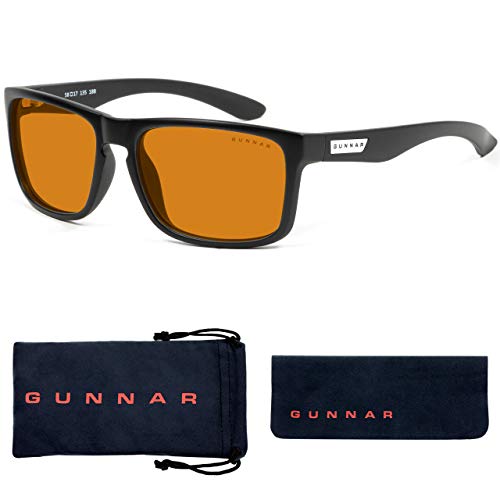
- GUNNAR Optiks models block 65% of blue light at 400–450 nm with noticeable yellow-tinted lenses, catering to gamers or heavy device users.
- Frames use nylon or polycarbonate for durability and lightweight feel, with options for larger head sizes.
- Costs typically range from $60–$120, with certification from the FDA and third-party tests verifying blue light blocking efficiency (source: GUNNAR.com).
Pixel Eyewear
- Pixel Eyewear lenses block about 35% of blue light at the harshest wavelengths using proprietary clear lens coating, minimizing color distortion.
- Frame designs prioritize thinness and spring hinges for flexibility and comfort during long sessions.
- Pricing stays within $75–$95, and the company provides lab test reports which support their blue light filtration claims (source: PixelEyewear.com).
- Barner blue light lenses block around 47% at the 400–455 nm range with slight amber tinting, favoring all-day wear.
- Frames incorporate TR-90 or bio-based materials for extra flexibility and eco-friendliness, supporting sustainability goals.
- With a cost between $65–$95, their products hold CE and FDA certifications for both frame durability and lens protection (source: Barnerbrand.com).
| Brand | Blue Light Blocked (%) | Key Spectrum (nm) | Lens Tint | Avg. Price ($) | Certification |
|---|---|---|---|---|---|
| Felix Gray | 50 | 400–440 | Clear | 95–145 | FDA, In-house |
| GUNNAR Optiks | 65 | 400–450 | Yellow | 60–120 | FDA, 3rd Party |
| Pixel Eyewear | 35 | 400–455 | Clear | 75–95 | Lab Test Reports |
| Barner | 47 | 400–455 | Amber | 65–95 | CE, FDA |
I analyze these brands for lens quality, comfort, price range, and certification standards because clear differences help pinpoint the best option for specific needs. If blue light filtration in the targeted HEV range is the main priority, GUNNAR Optiks and Felix Gray offer leading performance, while Barner and Pixel Eyewear balance comfort, eco-friendliness, and style. Eye protection and visual comfort combine best when evaluating brands with independent certification and transparent lab results.
Tips for Testing and Using Blue Light Glasses
Testing Blue Light Blocking Effectiveness
I confirm the effectiveness of blue light glasses by checking for blue light test cards or laser pens included with the purchase. I compare how much blue light passes through the lenses using these simple at-home tools. I also look for independent lab reports on the brand’s official website if those tools aren’t available.
Monitoring Eye Comfort and Sleep Quality

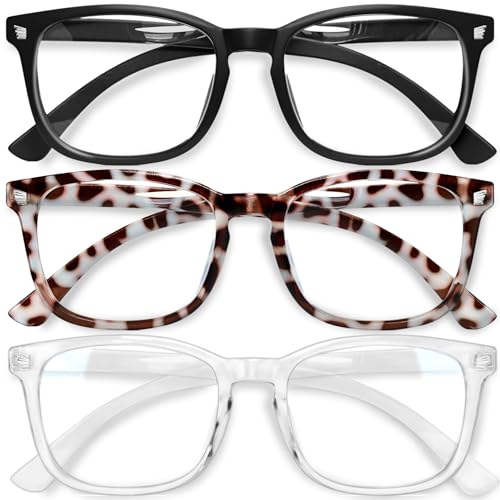



I track eye strain symptoms such as headaches, blurred vision, and irritation after hours of screen use. I note if these symptoms lessen after wearing blue light glasses for consecutive days during work. I also observe whether my sleep improves, especially when I use the glasses during evening hours.
Assessing Visual Appearance and Color Distortion
I inspect for color distortion by comparing how screens and printed materials appear with and without the glasses. I prefer lenses with minimal color shift, since this keeps natural color perception while blocking harmful wavelengths. Tinted lenses, like those found in some GUNNAR or Barner models, may shift colors more noticeably than clear ones.
Practicing Proper Usage
I wear blue light glasses whenever I expect long periods of screen exposure—which for me includes work, gaming, or watching videos in the evening. I store glasses in a hard case when not in use and clean the lenses with microfiber cloths to avoid scratching or smudging.
Alternating With Breaks and Lighting Adjustments
I use the 20-20-20 rule, looking 20 feet away for 20 seconds after every 20 minutes on screens, even when I wear blue light glasses. I combine glasses with adjusting device display settings—activating “night mode,” lowering brightness, or shifting screen warmth adds another layer of blue light management.
Recording Results for Consistency
I keep a short journal or use a note-taking app to log usage patterns, symptoms, and observations about comfort and sleep for at least one week. I then verify if positive changes align with wearing the glasses or result from other adjustments to my routine.
Common Misconceptions About Blue Light Glasses
- Blue light glasses block all blue light
I often hear people assume blue light glasses block 100% of blue light, which isn’t the case for most models. Most quality lenses filter about 20–50% of blue light, usually in the 400–455 nm HEV range. Complete blockage might alter color perception and disrupt tasks needing accurate color, such as graphic design.
- Blue light glasses instantly fix all screen-related issues
Some believe slipping on a pair immediately eliminates headaches or eye discomfort. I find relief comes in degrees and depends on correct fit, consistent wear, and lens quality. Effective protection combines blue light glasses with screen breaks and proper lighting—eyewear alone can’t do it all.
- Blue light glasses protect against all forms of eye damage
Manufacturers often imply these glasses shield eyes from every threat. I clarify to clients that blue light glasses target HEV rays but don’t guard against UV, glare, or injury from physical impact. For outdoor use, sunglasses with UV protection are essential.
- Only people who have screen time benefit
People tend to think only heavy screen users benefit from blue light glasses. Studies show that exposure also comes from LED lighting and fluorescent bulbs at home or in offices. I recommend glasses to clients with indoor jobs, not only those clocking over six hours on digital devices.
- All blue light glasses are the same
Product marketing may suggest every pair is equal. I stress that certification, lens technology, and brand transparency set effective glasses apart. Brands like GUNNAR or Felix Gray often offer independent test results—generic models rarely do.
| Misconception | Corrected Fact or Clarification |
|---|---|
| Blocks all blue light | Most block 20–50% in HEV spectrum; complete blockage can distort color |
| Instantly fixes issues | Relief depends on lens quality, usage habits, and fit; gradual improvement is more common |
| Protects against all damage | Only filters blue light; doesn’t block UV or physical hazards |
| Only for screen users | Indoor lights like LEDs emit blue light too; benefits extend beyond computer users |
| All glasses are the same | Quality, certification, and lab results distinguish effective options from generic pairs |
Misconceptions about blue light glasses can lead to unrealistic expectations. My ongoing goal remains helping others use accurate information to make healthier choices for their eyes.
Conclusion
Finding the right blue light glasses can make a real difference in how my eyes feel after a long day in front of screens. I love knowing that with a little research and attention to quality I can protect my eyes and improve my comfort without sacrificing style.
It’s worth taking the time to choose a pair that fits my needs and lifestyle. Once I did I noticed better focus and fewer headaches—and that’s something I wouldn’t trade for anything.

