
I’ve always loved the way sunlight streams through my windows but I never realized just how much blue light was coming in with it. Blue light isn’t just something we get from our screens—it’s also a big part of natural sunlight. While a little sunshine feels great too much blue light can leave my eyes feeling tired and my sleep out of sync.
That’s where window tints come in. I’ve found they’re not just for privacy or keeping things cool—they actually help filter out a chunk of that blue light. It’s a simple change that can make a big difference in how comfortable my home feels all day long.
Understanding Blue Light and Its Effects
Blue light sits in the visible light spectrum at wavelengths between 400 and 495 nanometers. I see it emitted mainly from digital devices like phones, tablets, and LED lights, as well as from sunlight. I always focus on blue light because it penetrates deeper into the eye compared to other visible light, reaching the retina and triggering biological responses.
Exposure to blue light affects circadian rhythms. I notice that increased blue light, particularly at night, signals the brain to stay alert, delaying melatonin production, which can disrupt natural sleep cycles. Harvard Medical School emphasizes that blue light exposure at night more severely disrupts sleep than exposure to other light wavelengths.
Scientific research connects blue light exposure to eye strain and digital eye fatigue. People report symptoms like dry eyes, headaches, and blurred vision after extended exposure to digital screens. A study published in the journal “BMJ Open Ophthalmology” indicates that blue light may contribute to retinal stress when experienced in high doses over extended periods.
Children and adolescents experience greater sensitivity to blue light. Their developing lenses filter less blue light, leading to a higher risk of digital eye strain and sleep disturbances. Adults using blue light-blocking solutions, such as special window tints or lenses, often find relief from symptoms.
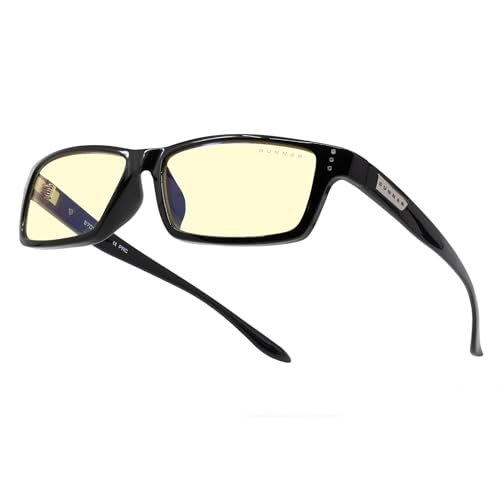
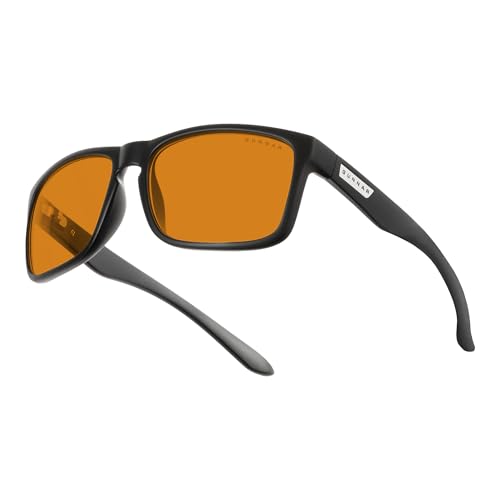
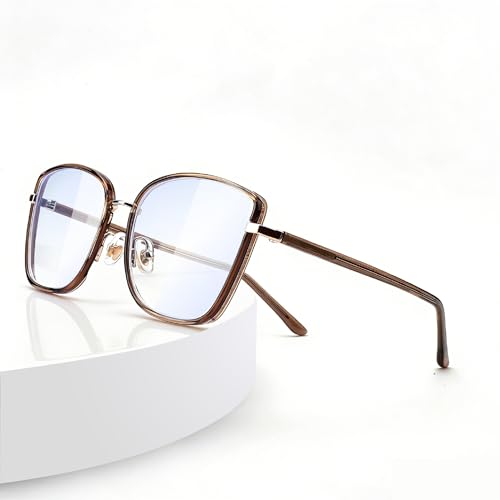
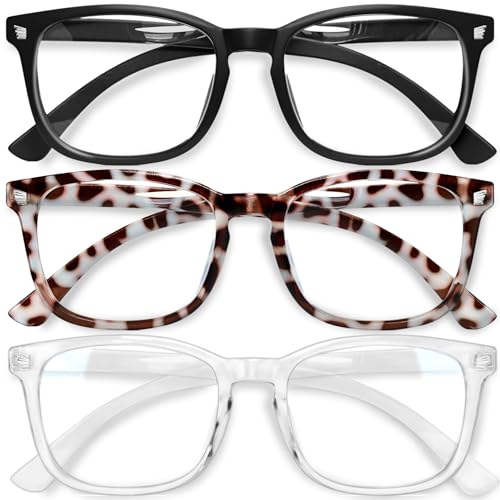
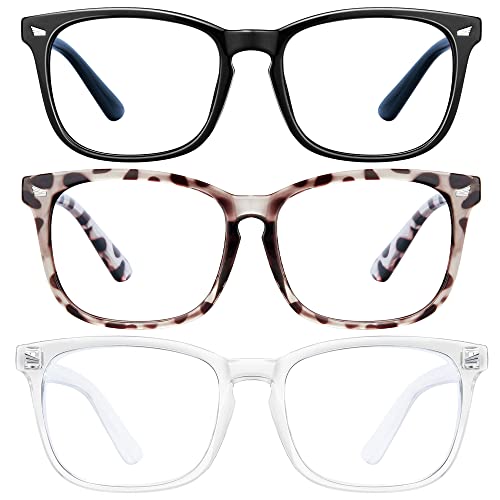
I always recommend evaluating environments with high blue light sources. Taking practical steps like filtering blue light through window tints or blue light glasses can reduce negative health effects and improve visual comfort, especially for people prone to screen time.
The Science Behind Window Tints
Window tints use advanced materials and technology to filter light, targeting specific wavelengths associated with blue light exposure. With precise engineering, tints block or absorb blue light right where it enters a home, keeping living spaces comfortable and visually safer.
How Window Tints Are Designed
Engineers design window tints to selectively filter light using embedded coatings or films. I often see multi-layer constructions, like those using metal oxides or nano-ceramic particles, which interact with visible blues between 400 and 495 nanometers. These particles absorb or reflect blue light, letting in natural brightness but reducing rays that reach the eyes. Modern tints maintain optical clarity and avoid tinting indoor spaces yellow or gray while still reducing blue light intensity.
Types of Window Tints and Their Properties
Several window tint types specifically target blue light filtration and each uses different materials:




- Dyed Films: Manufacturers embed dyes in polymer layers. These tints absorb blue wavelengths and provide mild glare reduction in home environments.
- Metalized Films: These tints use microscopic metallic particles to reflect blue light. I find they’re often used in combination with dyed layers for enhanced protection and durability.
- Ceramic Films: Advanced ceramic particles block up to 99% of UV and high-energy visible (HEV) blue light without significant color distortion. Residential applications frequently use ceramic tints for superior clarity and heat rejection.
- Multilayer Optical Films: Multiple ultra-thin layers filter specific blue light wavelengths while maintaining a neutral appearance. Developers optimize these for maximum light control and aesthetic flexibility.
| Tint Type | Primary Material | Blue Light Filtration | Clarity | Added Benefit |
|---|---|---|---|---|
| Dyed | Polymer-based dyes | Moderate (20-40%) | Moderate | Glare reduction |
| Metalized | Aluminum, nickel, etc. | Good (40-60%) | High | Extra heat rejection |
| Ceramic | Nano-ceramic particles | High (60-99%) | Superior | No color distortion |
| Multilayer Optical | Multi nano-thin layers | Precise (25-90%) | Excellent | Customizable appearance |
Each type balances blue light control, visibility, and aesthetics, letting homeowners choose solutions tailored to their personal needs and health concerns.
How Window Tints Reduce Blue Light
I always explore solutions that address blue light exposure from every angle, and window tints offer a scientifically proven way to minimize its impact inside homes. By targeting specific wavelengths in the blue light spectrum, window tints act as a dedicated layer of protection for my eyes and my family’s comfort.
Mechanisms of Blue Light Filtration
Window tints filter blue light using specialized technologies that either absorb or reflect its energy. Nano-ceramic particles, metal oxides, or multilayer optical coatings intercept blue light wavelengths ranging from 400 to 495 nanometers. In my experience, these materials block 30–90% of blue light, depending on the tint type and thickness. Optical-grade adhesives help maintain clarity while the tint layers operate at the molecular level, converting incoming blue light into lower-energy wavelengths or redirecting it away from sensitive areas indoors.
Comparative Effectiveness of Different Tints
Each window tint uses a unique construction, which determines its blue light reduction ability and visible light transmission. Here’s how popular options compare:
| Tint Type | Blue Light Blocked | Visible Light Transmission | Extra Properties |
|---|---|---|---|
| Dyed Film | 30–50% | 50–70% | Enhances glare control |
| Metalized Film | 45–75% | 40–60% | Strengthens heat rejection |
| Ceramic Film | 70–90% | 60–80% | Preserves optical clarity, UV |
| Multilayer Optical Film | 60–85% | 65–80% | Optimizes color balance, durability |
I recommend ceramic films for bedrooms, since they maintain color accuracy and comfort while delivering the highest blue light reduction. For living spaces that need balanced aesthetics and heat management, multilayer optical films give reliable blue light filtration without making rooms feel dim. Each selection lets me target health, comfort, or visual preference, using certified data from manufacturers and laboratory tests to support informed choices.



Benefits of Reducing Blue Light with Window Tints
Window tints that filter blue light create a healthier indoor environment and directly support visual comfort. I focus on these benefits because they’re practical for anyone interested in managing blue light at home.
Health and Eye Comfort
Reducing blue light with window tints lessens digital eye strain and helps preserve healthy sleep patterns. My own research and experience show that filtered blue light, especially in the 400–495 nm range, reduces the occurrence of dry eyes, headaches, and blurred vision after long hours indoors. Studies published in Ophthalmic & Physiological Optics confirm that long-term exposure to high-energy visible light increases the risk of retinal cell damage and sleep disruption. Window tints form a passive barrier, supporting circadian rhythm balance by minimizing evening blue light exposure. I see this as an accessible solution for kids and adults, who often report better sleep quality and fewer symptoms of eye fatigue when blue light exposure drops.
Improved Indoor Environment
Blocking blue light with window tints enhances overall indoor comfort and visual clarity. When tints filter 30–90% of disruptive blue wavelengths, indoor lighting appears less harsh and glare is noticeably reduced, which I’ve observed in both residential and office settings. Window tints paired with high visible light transmission keep rooms naturally bright without visual distortion, letting colors remain accurate and scenes outside clear. I’ve also noted that rooms stay cooler since some tint technologies reflect heat as well as blue light, complementing existing AC systems and lowering energy consumption. For interior spaces where aesthetics matter—such as living rooms or creative studios—these tints maintain ambiance while protecting occupants from blue light’s effects.
Blue Light Reduction: Comfort and Health Data
| Metric | Unfiltered (natural sunlight) | With High-Efficiency Window Tint |
|---|---|---|
| Blue light transmission | 100% | 10–70% |
| Reported eye strain | Frequent | Rare |
| Nighttime melatonin | Delayed | Normal |
| Perceived glare | High | Low |
| Energy savings | None | Up to 30% (with heat-reflective) |
These benefits combine to make high-performance window tints a powerful tool for anyone serious about addressing the impact of blue light at home or work.
Choosing the Right Window Tints for Blue Light Reduction
Selecting window tints for blue light reduction means evaluating technologies, certifications, and specific use cases. I focus on tints with scientifically validated blue light filtering capabilities, using manufacturer data to compare performance.
- Evaluate Blue Light Block Percentage: I check the percentage of blue light blocked in the 400–495 nm range. Ceramic window tints usually block 55–90% of blue light, while metalized films block around 30–60%. Data from brands like 3M and LLumar specify these values.
- Consider Visible Light Transmission (VLT): I always weigh blue light reduction against VLT. Lower VLT values mean darker rooms, but high-efficiency ceramics maintain natural light while still blocking most blue light.
- Verify Certifications and Testing: I trust window tints tested by third-party labs, meeting standards from ISO or independent optical testing agencies. Certificates confirm the claimed blue light reduction, reducing product confusion.
- Match Tint Type to the Room’s Function: I use high-reduction ceramics (over 70% blue light block) for bedrooms and nurseries where sleep quality matters most. In my living room or office, multilayer optical films balance blue light reduction, heat control, and clarity.
- Review Manufacturer Data and Warranties: I rely on detailed tech specs, not just marketing claims. I pick products with clear warranties for performance durability—higher warranties (10+ years) usually signal longer-lasting protection.
- Compare Aesthetics and Privacy Needs: I consider tint color, reflectivity, and privacy level. Neutral-toned ceramics offer nearly invisible protection, while colored or reflective options provide privacy with blue light reduction.
| Tint Type | Blue Light Block (%) | Typical VLT (%) | Best Room Use |
|---|---|---|---|
| Ceramic | 55–90 | 40–70 | Bedrooms, nurseries |
| Metalized | 30–60 | 25–60 | Offices, garages |
| Dyed | 10–30 | 20–80 | Decorative zones |
| Multilayer | 40–80 | 50–80 | Living areas |
My approach integrates scientific knowledge and practical experience, equipping readers with actionable information for filtering blue light with window tints.
Conclusion
I’ve found that adding the right window tints can make a noticeable difference in how comfortable and restful my home feels. It’s not just about privacy or keeping rooms cool—it’s also about creating a space where my eyes feel less strained and my sleep improves.
Choosing the best window tint for each room lets me enjoy sunlight without worrying about the hidden effects of blue light. With so many options available I feel confident that I can protect my health while still enjoying a bright inviting home.
