
I spend hours in front of screens every day and I’ve noticed my eyes often feel tired and strained by the end of it. If you’re anything like me you might’ve wondered if blue light glasses could help make a difference. With so many options out there it can be tough to know what really matters when choosing a pair.
I want to make sure my eyes get the best protection possible without falling for marketing hype. That’s why I’m digging into what to look for in blue light glass lenses so you and I can make smart choices for our eye health and comfort.
Understanding Blue Light and Its Effects
Blue light exists in visible light, with wavelengths ranging from 380 nm to 500 nm. Digital devices like smartphones, laptops, and LED lights emit this blue light, with most emitting peak energy at about 450 nm. My passion for blue light research stems from growing evidence that high exposure can impact both eye comfort and health.
Blue light effects include digital eye strain, disrupted sleep cycles, and visual fatigue. Eye strain symptoms include headaches, dry eyes, and blurred vision after hours in front of screens. Harvard Medical School notes that blue light exposure suppresses melatonin release more than other wavelengths, affecting sleep patterns. People who’ve spent late nights on their phones often report trouble falling asleep, showing the real impact blue light can have.
Studies link chronic blue light exposure with changes to retinal cells in lab models, but experts from the American Academy of Ophthalmology state blue light from screens doesn’t cause permanent eye damage. My focus stays on the discomfort and disruption blue light brings, rather than unfounded dangers.
Health concerns become more manageable by filtering blue light at peak emission ranges, using specialized coatings, or following healthy screen practices. In my experience, combining physical blue light filter lenses with digital hygiene sharply reduces strain and lets users manage daily exposure efficiently.
Key Features of Quality Blue Light Glass Lenses
Choosing the right blue light glass lenses protects eye comfort and supports daily screen habits. I focus on essential features that help anyone get effective and reliable lens performance.
Level of Blue Light Protection
High-quality blue light lenses filter at least 20%-40% of blue-violet light in the 400-455 nm range, based on peer-reviewed optics studies. Lenses offering specific nanometer range protection—like 415-455 nm for digital screens—give measurable relief from eye strain. I check product labeling from trusted brands for independent lab test data, not just vague “blue light blocking” claims.
Lens Material and Durability
Superior blue light glass lenses use polycarbonate, CR-39, or high-index plastic for lightweight resilience. Polycarbonate lenses resist impact—for example, sports or active environments—while CR-39 gives sharp optical clarity for everyday work. Durable lenses withstand accidental drops and daily use, with frames rated for regular handling.
Clarity and Color Distortion
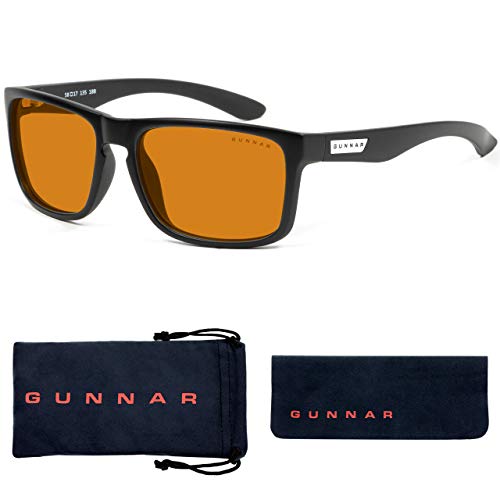
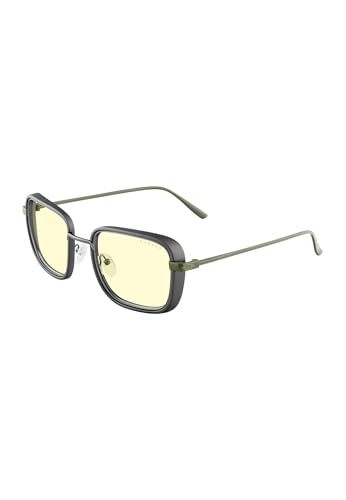
Clear lenses maintain accurate color perception and look nearly invisible in use, as validated by ANSI and ISO standards. Yellow-tinted lenses block more blue-violet light but can distort colors in graphic design or media editing. I prioritize clear or barely tinted lenses for day-to-day tasks, verifying that review photos match product descriptions.



Anti-Reflective and Scratch-Resistant Coatings
Premium blue light lenses apply multilayer anti-reflective coatings to reduce glare from desk lamps, monitors, and ambient lighting. Scratch-resistant coatings extend lens life and keep vision sharp by preventing everyday scuffs. I select lenses featuring both coatings for long-term comfort without foggy spots or distracting reflections.
Comfort and Fit Considerations
Frame Shape
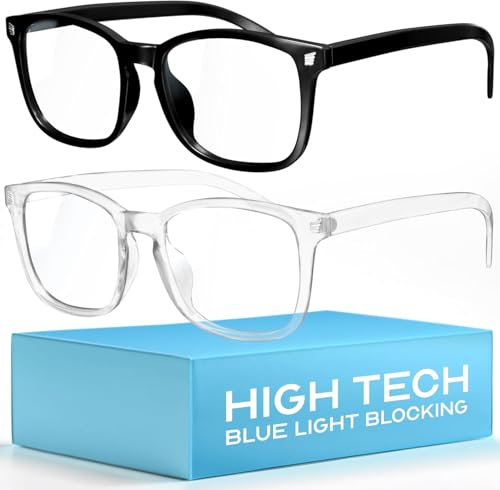
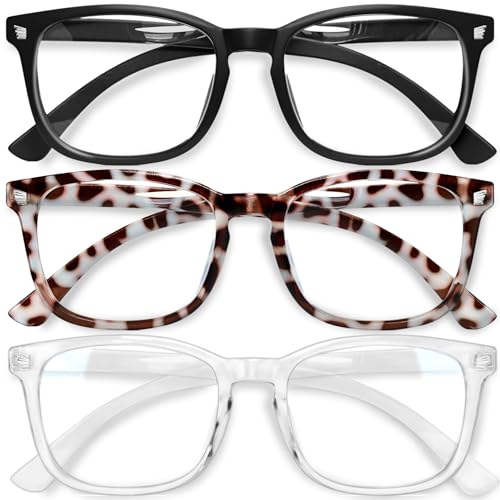
Frame shape affects how blue light glass lenses feel on my face and how well they stay in place. I look for styles with nose bridges and temple arms that don’t pinch or slip. Rounded and rectangular frames sit evenly and provide full lens coverage for better protection.
Weight
Weight influences whether I can wear blue light glasses all day without discomfort. Frames under 30 grams, often made from lightweight acetate or titanium, feel less bulky and don’t leave pressure marks on my nose or ears.




Adjustability
Adjustability lets me customize fit for maximum comfort. Spring hinges, adjustable nose pads, and flexible temple tips help glasses conform to the unique contours of my face. Features like these reduce headaches and skin irritation during long screen sessions.
Size Options
Size options ensure the lenses align with my eyes for optimal filtration. Blue light glass models usually list frame width, lens height, and bridge width. I always match these to my face measurements to prevent discomfort or optical distortion.
Hypoallergenic Materials
Hypoallergenic materials benefit users with sensitive skin like mine. Frames crafted from acetate, TR-90, or surgical-grade stainless steel reduce redness, itchiness, and allergic reactions.
Secure Fit During Activities
Secure fit means my blue light lenses stay properly positioned even when I’m moving between workstations or participating in virtual meetings. Rubberized nose pads and grips on temple ends keep glasses stable and maintain continuous blue light filtration.
Additional Benefits and Technologies
Lens coatings in blue light glasses extend benefits beyond blue light filtering. Anti-reflective coatings decrease glare from overhead lights and digital screens, boosting visual clarity in office environments. Hydrophobic coatings protect lenses from water spots and smudges, keeping vision clear through prolonged use. Oleophobic layers resist fingerprints, making cleaning effortless.
Photochromic lenses adapt tint levels to ambient lighting. Indoors, these lenses stay clear, while outdoors they darken automatically, providing continuous blue light protection for commuters. This adaptiveness ensures eye comfort throughout diverse lighting conditions.
Prescription compatibility in blue light glasses integrates vision correction and blue light protection. This combination eliminates the inconvenience of switching between regular and blue light glasses, especially for users who rely on corrective lenses daily.
UV protection is present in advanced blue light lenses. These lenses block both ultraviolet and blue-violet light, shielding eyes from sun exposure and digital devices. Such comprehensive protection supports visual comfort for outdoor and indoor wearers alike.
Digital surface technology optimizes lens curvature for sharper vision across the entire lens. This reduces peripheral distortion, ensuring that users with high screen-time demands—such as designers or coders—maintain precise visual clarity.
Several blue light glasses offer anti-fog features. This technology prevents lens fogging during mask use or when transitioning between temperature zones, keeping vision uninterrupted in clinics, gyms, and cold-weather settings.
Comfort-focused designs frequently use hypoallergenic and memory-flex frames. These frames accommodate face shape variations and prevent allergic reactions, further improving daily comfort for sensitive users.
Warranty programs from manufacturers increase user confidence in lens durability and coating performance. Leading brands offer 1- or 2-year coverage on lens defects, reinforcing their technology commitment.
Price Versus Value
Price and value diverge significantly when assessing blue light glass lenses. I see price points ranging from $15 to $200, with budget pairs on popular marketplaces like Amazon and premium brands offering advanced coatings and optical clarity. Costs increase with prescription compatibility, proprietary filter technologies, and warranty coverage.
Value means more than the number on a price tag. I focus on lens quality, filter accuracy, and coating durability. Lenses filtering less than 20% of blue-violet light, for example, give minimal protection, regardless of price. Glasses with hydrophobic, oleophobic, and anti-reflective coatings offer noticeable comfort and usability, especially in high-glare digital environments. Prescription option availability and robust return policies also enhance real value.
Lower-cost options sometimes cut corners on optical clarity, frame comfort, or coating resilience. I prioritize brands that transparently state filter percentages and provide third-party test results, even if that means paying $30–$60 more than budget alternatives. The best value balances certified blue light protection, visual comfort, and warranty support against the cost, aligning features directly with daily demands and potential eye health improvements.
Conclusion
Choosing the right blue light glasses really comes down to matching your needs with features that offer real benefits. I’ve found that paying attention to lens quality fit and the extra coatings can make a big difference in daily comfort and eye relief.
Don’t let flashy marketing sway you—focus on what genuinely improves your screen time experience. When you know what to look for it’s much easier to find a pair that keeps your eyes happy and healthy while you work and play.
